Top Landscaping Services in Houston, MO, 65483 | Compare & Call

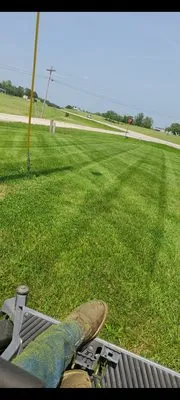
Elite Lawn Management is your trusted Houston, MO, partner for achieving and maintaining a healthy, beautiful lawn. We specialize in comprehensive lawn care services designed to tackle the specific ch...
Logan's Lawn Care is a locally owned and operated lawn service business based in Houston, Missouri, dedicated to helping residents maintain beautiful, healthy outdoor spaces. We provide comprehensive ...
R & R Outdoor Services
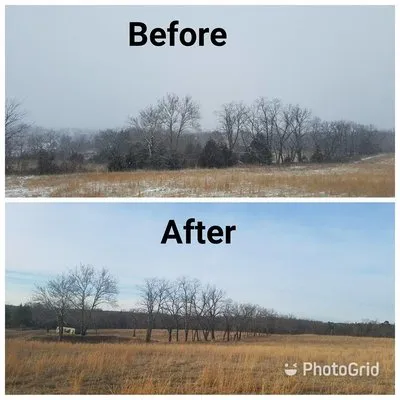
R & R Outdoor Services, LLC is a professional tree care and landscaping company serving Houston, MO, and surrounding areas. As trained arborists, we specialize in tree planting, trimming, disease diag...
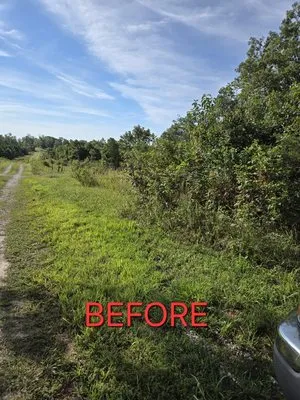
Earthbender is your local Houston, MO, landscaping expert dedicated to solving the unique challenges of Ozark-area properties. We specialize in addressing common local problems like tree root damage t...

Labbee Landscaping is a locally owned and operated landscaping service proudly serving Houston, MO, and the surrounding areas. We specialize in addressing common local property challenges, such as sta...
FAQs
What permits and credentials should I verify before hiring a contractor for major grading work?
For significant earthmoving or grading on a 0.35-acre lot, always verify the contractor holds the proper Pesticide Applicator or Business License from the Missouri Department of Agriculture. Furthermore, any work altering drainage patterns or involving substantial cut and fill likely requires a permit from the Houston City Hall Planning & Zoning Department to ensure compliance with local erosion control and stormwater regulations.
What invasive species should I watch for, and how do I control them safely?
In our USDA Zone 6b, watch for invasive plants like Callery Pear seedlings, Japanese Honeysuckle, and Sericea Lespedeza. Safe, effective control involves targeted mechanical removal or approved herbicide application during active growth phases, strictly avoiding state BMP blackout dates when the ground is frozen. Always correctly identify the plant first, as misapplication can harm desirable natives like Butterfly Milkweed.
Are concrete pavers or wood a better choice for a new patio in terms of longevity and safety?
For durability and fire resilience, concrete pavers and native limestone are superior to wood. They offer a permanent, low-maintenance surface that does not rot, warp, or attract pests. In the context of Missouri's Moderate Firewise rating, these non-combustible materials also contribute to creating a defensible space by not providing fuel, an important consideration for landscape planning in our region.
I'm tired of weekly mowing. Are there lower-maintenance, attractive alternatives?
Reducing high-input turf areas is a forward-thinking approach. Replacing sections with a native plant grouping of Purple Coneflower, Butterfly Milkweed, Little Bluestem, and Rough-leaved Dogwood creates a resilient, biodiverse landscape that requires no mowing, minimal watering, and no gas-powered blowing. This transition aligns with evolving community standards and prepares your property for stricter noise and emission ordinances.
Is it possible to have a green lawn in Houston, MO, while following water conservation practices?
Absolutely. While the city only has voluntary conservation measures, using smart soil-moisture sensor controllers is the most effective strategy. These devices irrigate your Tall Fescue based on actual evapotranspiration (ET) and soil conditions, not a fixed schedule. This prevents overwatering, reduces runoff into low-lying clay areas, and keeps your lawn healthy within any potential future municipal water limits.
How quickly can you respond to an urgent HOA violation notice for overgrowth?
For an emergency cleanup to meet a compliance deadline, our standard dispatch from the Texas County Courthouse area uses US-63 for efficient access, ensuring a technician arrives within 15-20 minutes. We prioritize these calls with our electric equipment fleet, which operates quietly within the local noise ordinance hours of 7:00 AM to 10:00 PM.
Why does my lawn feel compacted and look thin even with regular care?
Your property, like many in the Houston Historic District built around 1970, has over 55 years of soil development. The original silt loam topsoil has likely been depleted and compacted by decades of standard maintenance, reducing permeability and organic matter. This common condition requires core aeration and the incorporation of compost to rebuild soil structure and improve nutrient availability for your Tall Fescue turf.
Water pools in my backyard every spring. What's a long-term solution?
Moderate seasonal ponding is typical in areas with underlying clay pockets within silt loam soil. A functional solution involves creating a shallow, graded swale to direct water away from the house. For patios or walkways, using permeable concrete pavers or native limestone allows water to infiltrate, reducing surface runoff and helping meet Houston City Hall Planning & Zoning Department's standards for stormwater management.
