Top Landscaping Services in High Ridge, MO, 63049 | Compare & Call
There are 196 landscaping companies server in High Ridge MO

Bow Man Mulching is a Saint Louis-based landscaping and tree service company dedicated to enhancing and maintaining the beauty of local properties. Specializing in landscape construction, maintenance,...
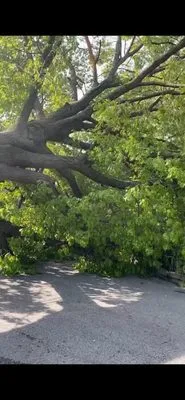
Hatcher Worx is a family-owned and operated landscaping and tree service business serving St. Louis, MO. We understand that your outdoor space is an extension of your home, and we treat it with the ca...

Green Guys
Green Guys began over two decades ago as a local lawn mowing service in the Catawissa and greater St. Louis area and has grown into a respected design-build firm. Our journey is rooted in a simple pri...
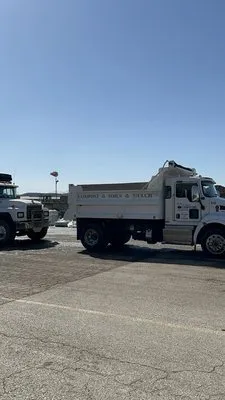
Serving the Valley Park community since 1992, St. Louis Composting is a locally-owned resource dedicated to turning yard and organic waste into high-quality soil products. As the region's largest comp...

Earthscapes and Construction, LLC is a trusted Eureka, MO landscaping company dedicated to transforming local outdoor spaces with practical, lasting solutions. We work directly with homeowners and bus...
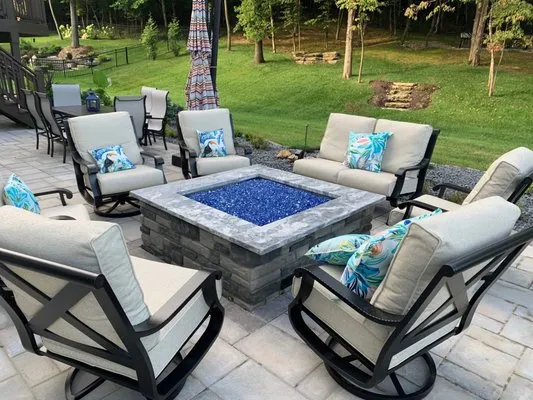
Wildwood Nursery
For over a decade, Wildwood Nursery has been a trusted partner for homeowners in Wildwood and throughout the St. Louis region, transforming outdoor spaces into functional and beautiful extensions of t...
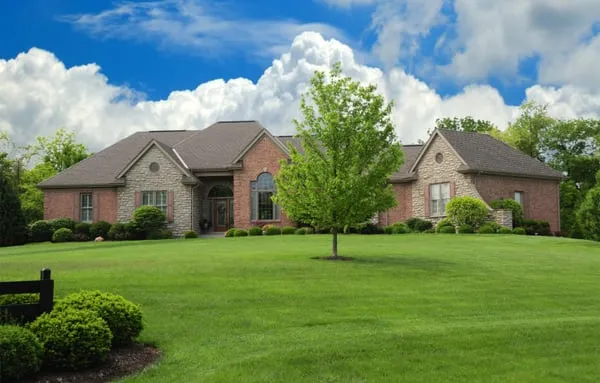
Lawn Masters is a locally-owned landscaping and tree care company serving Valley Park, MO, and surrounding communities since 1983. Founded by Bill and Jeff, we specialize in comprehensive lawn mainten...

Lawn Doctor in Valley Park, MO is a locally owned and nationally backed provider specializing in comprehensive lawn, tree, and pest care services. Founded by an inspired Agricultural Hobbyist who turn...
Nehls Lawn Service and Landscaping in Fenton, MO, is a locally owned and operated lawn care provider dedicated to helping homeowners maintain healthy, attractive outdoor spaces. With a focus on reliab...
Gruhala Landscape & Irrigation is a Fenton-based landscaping company dedicated to solving the common local problems of lawn insect damage and dead lawn areas. Serving homeowners throughout the communi...
Estimated Landscaping Service Costs in High Ridge, MO
Q&A
What's the best solution for the constant runoff and puddling in my High Ridge yard?
Moderate runoff issues in High Ridge typically stem from clay subsoil saturation beneath the acidic silt loam surface layer. Installing French drains with clean gravel and perforated pipe redirects subsurface water away from foundations. For surface solutions, permeable crushed limestone pathways allow water infiltration while meeting Jefferson County Planning and Zoning runoff standards. Grading adjustments that create gentle swales (1-2% slope) channel water toward rain gardens planted with native species that tolerate periodic saturation. These combined approaches address both surface and subsurface drainage without requiring extensive regrading permits.
What permits and licenses are required for regrading my 0.45-acre High Ridge property?
Significant regrading on a 0.45-acre lot requires both Jefferson County Planning and Zoning permits for erosion control and a licensed professional through the Missouri Department of Agriculture. The permit process evaluates how proposed grading affects stormwater runoff patterns and neighboring properties. Licensed professionals carry insurance covering potential damage from improper slope alterations or drainage changes. For projects moving more than 50 cubic yards of soil or altering natural drainage patterns, additional certifications in sediment control may be required. Always verify current licensing through the Missouri Department of Agriculture's online verification system before contracting grading work.
How can I maintain healthy Tall Fescue without wasting water during Missouri summers?
Wi-Fi ET-based weather sensing irrigation calculates actual evapotranspiration rates using local weather data to apply only the water your Tall Fescue needs. This system automatically adjusts for rainfall, humidity, and temperature fluctuations, typically reducing water use by 20-30% compared to traditional timers. With no current water restrictions in High Ridge, this technology provides optimal turf health while staying well within municipal water conservation guidelines. Properly programmed ET systems deliver deep, infrequent watering that encourages drought-tolerant root development in USDA Zone 7a conditions.
How quickly can you respond to an emergency tree cleanup after a storm in High Ridge?
Our electric maintenance fleet can dispatch from the High Ridge Elks Lodge area within 20-30 minutes during peak storm conditions, traveling via MO-30 to reach most High Ridge neighborhoods. Electric equipment operates quietly within standard noise ordinance hours (7:00 AM - 9:00 PM) while providing immediate hazard mitigation. We prioritize safety assessments, debris removal, and temporary stabilization to prevent further property damage. This rapid response helps maintain HOA compliance and reduces liability from fallen limbs or compromised trees.
Should I replace some lawn areas with native plants to reduce maintenance and noise?
Transitioning 25-40% of traditional turf to native plantings like Purple Coneflower, Butterfly Milkweed, Little Bluestem, and Wild Bergamot significantly reduces maintenance requirements and supports 2026 biodiversity standards. These deep-rooted natives require no fertilization, minimal watering once established, and provide year-round habitat for pollinators. The reduction in mowing and blowing aligns with evolving noise ordinances that increasingly restrict gas-powered equipment. Native plantings also improve soil health through natural nutrient cycling and create visual interest through seasonal blooms and textures that change throughout the growing season.
What invasive species should I watch for in High Ridge, and how do I treat them safely?
Japanese stiltgrass and bush honeysuckle present the greatest invasive threats in High Ridge's acidic silt loam soils, outcompeting natives and reducing biodiversity. Manual removal before seed set provides effective control for small infestations. For larger areas, targeted glyphosate applications in late summer/early fall minimize drift and protect desirable plants. These treatments comply with local fertilizer ordinances that prohibit phosphorus applications except during new lawn establishment. Always apply herbicides during calm conditions and consider organic alternatives like horticultural vinegar for edible garden areas or near water features.
Why does my High Ridge Center yard have such compacted soil that needs annual aeration?
High Ridge Center properties built around 1976 have 50-year-old soil profiles where decades of foot traffic and equipment weight have reduced pore space in the acidic silt loam. This soil type naturally compacts under pressure, limiting oxygen exchange and water infiltration to root zones. Core aeration every 1-2 years creates channels for air, water, and organic amendments to penetrate the clay subsoil layer. Adding compost after aeration improves soil structure and microbial activity without altering the optimal pH 6.2 for most turf and native species.
Is crushed limestone or wood better for pathways in High Ridge's fire-prone areas?
Crushed limestone provides superior fire resistance and longevity compared to wood in High Ridge's Moderate (WUI Zone 2) fire risk areas. This inorganic material creates defensible space by eliminating combustible pathway materials that could spread ground fires. Crushed limestone's permeability (approximately 2-3 inches per hour) manages runoff while its light color reflects heat rather than absorbing it. Properly compacted and edged limestone pathways maintain stability for 10-15 years with minimal maintenance, unlike wood that requires replacement every 5-7 years due to rot and insect damage in Missouri's humid summers.
