Top Landscaping Services in Hannibal, MO, 63401 | Compare & Call

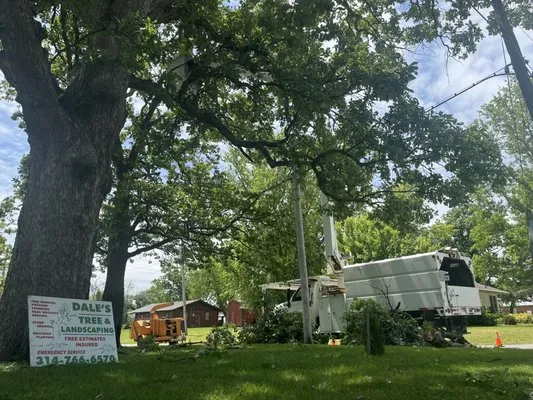
Dale's Trees & Landscaping is a Hannibal-based, owner-operated business with over 30 years of experience providing reliable tree care, landscaping, and damage restoration services. Fully licensed and ...
AEK Landscaping is your trusted local partner for transforming and maintaining your Hannibal property. Based right here in the Hannibal, MO community, we specialize in comprehensive landscaping, irrig...
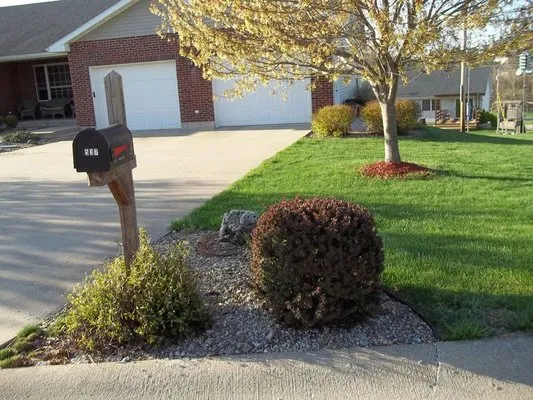
Landscape Doctor in Hannibal, MO, is your local expert for transforming and maintaining outdoor spaces. We specialize in solving the common landscaping challenges faced by Hannibal homeowners, such as...

Nate's Small Engine and Lawncare
Nate's Small Engine and Lawncare is your Hannibal neighbor for reliable outdoor services and equipment repair. Since 2017, owner Nathen has turned his passion for engines and auto repair into a truste...

Cutting Edge Lawn & Landscape
Since 2009, Cutting Edge Lawn & Landscape has been a trusted, insured, and bonded partner for property enhancement in Hannibal, MO. Our team brings over two decades of experience to every project, off...

For over 15 years, Hometown Lawn Care has been a trusted local provider of lawn and landscape services in Hannibal. As a smaller, family-operated business, we focus on direct communication and persona...
Roland Outdoor is a licensed lawn care and landscaping company serving Hannibal, MO, with over 25 years of experience since its establishment in 1995. Specializing in snow removal, landscaping, and ir...

Whites Landscaping is a trusted lawn care provider serving Hannibal, MO, and the surrounding areas. Specializing in comprehensive lawn care services, we help homeowners address common local issues lik...
Tri-State Forestry is a Hannibal, MO-based tree service led by Mason, a certified arborist who learned the trade from his father. This passion for forestry is the foundation of the family-owned busine...
A2Z Everything is Hannibal's trusted local solution for handyman, auto repair, and landscaping needs. We're a mobile, 24/7 service crew that comes directly to you, offering free estimates, price match...
Questions and Answers
Why does my Historic District lawn struggle with compaction and poor drainage?
Hannibal's Historic District properties average 60 years of soil development since 1966 construction, leading to significant compaction in silt loam soils. This soil type naturally settles over decades, reducing pore space and permeability. Core aeration every 2-3 years is essential to break up clay-heavy subsoil layers and improve water infiltration. Adding organic amendments like composted leaf mulch enhances soil structure while maintaining the pH 6.5-7.2 range optimal for Tall Fescue establishment.
What solutions exist for moderate runoff problems in Hannibal's clay-heavy soils?
Silt loam soils with clay sublayers create permeability challenges that require integrated drainage solutions. Installing French drains with clean gravel backfill improves subsurface water movement away from foundations. Using permeable limestone pavers for patios and walkways meets Hannibal Planning & Development runoff standards by allowing 80-90% of rainwater to infiltrate naturally. Grading adjustments of 2% slope direct surface flow toward rain gardens planted with native species that tolerate periodic saturation.
What permits and licenses are needed for landscape grading in Hannibal?
Grading work on Hannibal's typical 0.22-acre lots requires erosion control permits from the Hannibal Planning & Development office when disturbing over 100 square feet. Contractors must hold active licensing through the Missouri Division of Professional Registration for landscape installation exceeding $2,500 in value. This ensures proper engineering for drainage patterns that won't negatively impact adjacent Historic District properties. Licensed professionals carry insurance covering subsurface utility strikes and guarantee work meets municipal grade elevation standards.
How quickly can you respond to storm damage for HOA compliance in Hannibal?
Emergency cleanup crews dispatch from the Mark Twain Boyhood Home & Museum area via US-61, reaching most Historic District properties within 20-30 minutes during peak response windows. Our electric maintenance fleet operates within standard 7am-10pm noise ordinance limits while providing immediate debris removal. We prioritize safety assessments of downed limbs and coordinate with local utilities before beginning restoration work to ensure compliance with neighborhood architectural guidelines.
Why choose limestone over wood for Hannibal patios and walkways?
Missouri limestone pavers offer superior longevity with 50+ year lifespans versus wood's 10-15 year replacement cycle in Hannibal's freeze-thaw climate. The non-combustible mineral composition supports Urban/Suburban Fire Wise compliance by creating defensible space around structures. Limestone's natural thermal mass moderates temperature extremes, while its alkaline composition complements local soil pH. Properly installed with polymeric sand joints, these pavers resist weed penetration and maintain structural integrity through seasonal soil movement.
How do smart irrigation systems work with Hannibal's voluntary water conservation?
Wi-Fi ET-based weather sensing irrigation calculates evapotranspiration rates specific to Hannibal's Zone 6a climate, adjusting watering schedules daily. This technology reduces Tall Fescue water requirements by 30-40% compared to traditional timer systems while maintaining turf health. The system automatically skips cycles during rainfall and reduces output during heat waves, keeping water usage well within municipal conservation guidelines without compromising lawn quality.
Can I reduce maintenance while supporting local biodiversity in my Hannibal yard?
Replacing high-maintenance turf areas with native plantings like Purple Coneflower, Butterfly Milkweed, Little Bluestem, and Wild Bergamot creates resilient landscapes requiring minimal inputs. These deep-rooted perennials survive Hannibal's climate extremes without irrigation once established, reducing mowing frequency and fossil fuel consumption. Transitioning to electric equipment ahead of potential gas-blower restrictions supports quiet operation within Historic District noise ordinances while providing habitat for pollinators and birds.
What invasive species should Hannibal homeowners watch for in established landscapes?
Japanese knotweed and wintercreeper euonymus present significant threats in Hannibal's Zone 6a, spreading rapidly through silt loam soils. Manual removal with root extraction is most effective for small infestations, while targeted glyphosate applications during active growth periods control larger stands. These treatments avoid phosphorus-containing products prohibited on impervious surfaces under local ordinance. Regular monitoring during spring and fall growth flushes prevents re-establishment without disrupting beneficial soil microbiology.
