Top Landscaping Services in Glasgow, MO, 65254 | Compare & Call
There are 197 landscaping companies server in Glasgow MO

For over 20 years, McVey Mowing has been a trusted, locally-owned landscaping partner for Columbia, MO residents and businesses. Founded in 2003, our licensed team provides comprehensive outdoor care,...

For over three decades, Roy has built his expertise in industrial, commercial, and residential maintenance across the Columbia area. Now leading CS Maintenance and Home Repair, he applies this deep, h...
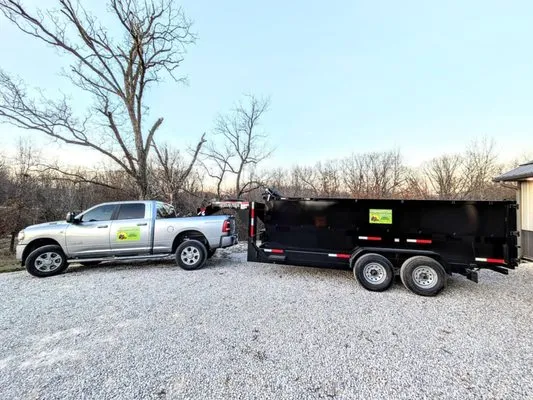
Browning & Sons Solutions
Browning & Sons Solutions is a trusted, family-owned business serving Holts Summit, MO, with comprehensive lawn, dumpster rental, and tree services. We understand the unique challenges local homeowner...
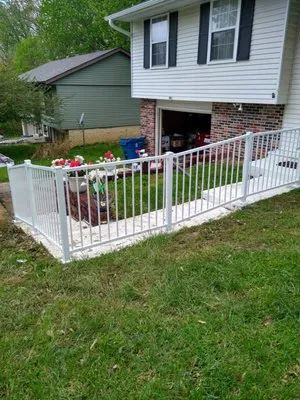
Double H Landscaping is a California, MO-based contractor specializing in landscaping and masonry to enhance and protect local properties. We combine expert design with durable construction, focusing ...

Andrew founded Pristine Lawn Services LLC in Columbia, MO, driven by a genuine passion for lawn care and a love for working outdoors. His goal is simple: to help Columbia properties look their very be...
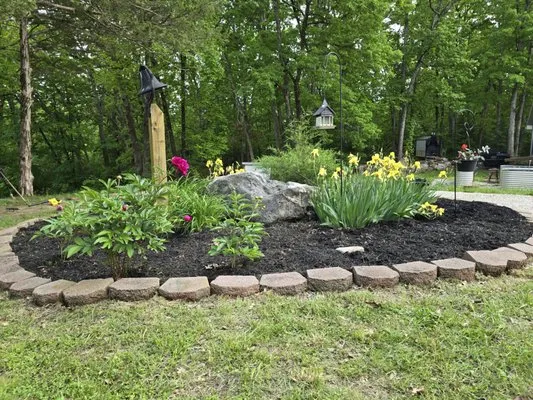
Bigfoot Landscaping is a full-service landscape and gutter company serving Bonnots Mill and the surrounding Osage County area. We specialize in comprehensive property care, from routine lawn maintenan...

Work Done Right is a Moberly-based handyman, lawn care, and painting service dedicated to providing reliable solutions for homeowners. With expertise spanning appliance installation, furniture assembl...
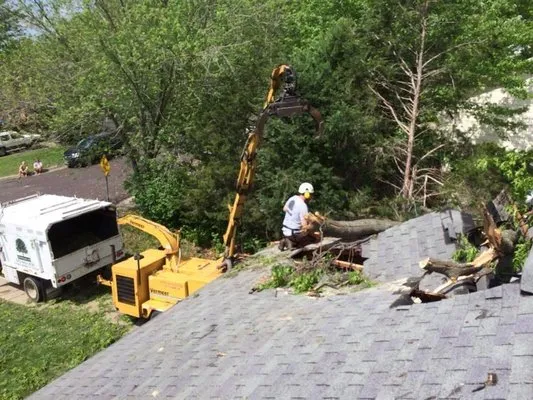
Tree Wizard is a family-owned and operated tree care service based in Columbia, Missouri, proudly serving the Columbia, Fulton, and Millersburg areas. Founded in 2003 by Chris Haubner, a small-town na...
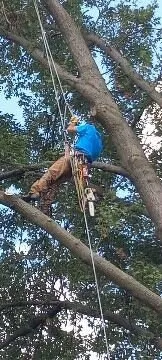
ArborTech Tree Service & Landscaping is a family-owned business serving Mexico, MO, and surrounding areas since 2002. Founded by Sonny Delozier, who began his career as a groundsman in the arbor indus...
Lanier Landscaping is a trusted local landscaping company serving Columbia, MO, and surrounding areas. We specialize in addressing common landscaping challenges faced by homeowners in our community, s...
Estimated Landscaping Service Costs in Glasgow, MO
FAQs
How quickly can you respond to emergency storm damage cleanup for HOA compliance?
Emergency cleanup crews dispatch from Glasgow City Park with equipment loaded for immediate response. Using MO-240 provides the most direct route to residential areas while avoiding downtown congestion. During peak storm conditions, arrival typically occurs within 20-30 minutes of notification. Crews prioritize safety assessments before beginning debris removal, ensuring compliance with local ordinances while addressing urgent landscape hazards.
How can I reduce maintenance while supporting local biodiversity in my Glasgow landscape?
Replacing high-maintenance turf areas with native plant communities significantly reduces watering, mowing, and chemical inputs. Purple Coneflower, Butterfly Milkweed, Little Bluestem, and Wild Bergamot establish deep root systems that improve soil structure and require minimal care once established. This transition supports pollinator populations while eliminating gas-powered blower use ahead of potential noise ordinance restrictions. Native plantings also demonstrate climate-adaptive xeriscaping principles appropriate for USDA Zone 6a conditions.
What permits and licensing are required for regrading my 0.25-acre Glasgow property?
Grading work exceeding 50 cubic yards of soil movement requires a permit from Glasgow City Hall, with specific erosion control measures mandated for slopes over 15%. Contractors must hold current licensing through the Missouri Division of Professional Registration for landscape architecture or excavation services. On quarter-acre lots, even minor elevation changes can affect neighborhood drainage patterns, necessitating professional assessment. Proper licensing ensures compliance with state best practices and protects against liability for downstream runoff issues.
What invasive species should Glasgow homeowners monitor for, and how are they safely controlled?
Japanese knotweed and wintercreeper euonymus present significant invasive risks in Missouri landscapes, outcompeting native vegetation and damaging infrastructure. Treatment involves targeted herbicide applications during active growth periods, carefully timed to avoid University of Missouri Extension fertilizer ordinance blackout dates. Manual removal combined with pre-emergent organic herbicides provides effective control without violating local chemical application guidelines. Regular monitoring prevents establishment, particularly important near Glasgow City Park where invasive species can spread rapidly.
Will smart irrigation systems work with Glasgow's voluntary water conservation guidelines?
Wi-Fi ET-based weather sensing irrigation technology automatically adjusts watering schedules using real-time evapotranspiration data from local weather stations. These systems reduce Tall Fescue irrigation by 25-40% compared to traditional timer-based systems while maintaining turf health. Programming follows University of Missouri Extension best practices for soil moisture management, staying well within municipal water conservation targets. The technology prevents overwatering during rainfall events, particularly important given Glasgow's moderate runoff concerns.
What solutions exist for persistent standing water in my Glasgow yard after heavy rains?
Silt loam soils in this area experience moderate runoff due to clay-pan saturation layers that impede natural percolation. Installing French drains with clean gravel and perforated piping redirects subsurface water away from foundations. Using crushed limestone for permeable pathways and patios increases surface infiltration by 50% compared to solid concrete. These approaches meet Glasgow City Hall runoff management standards while addressing the specific drainage characteristics of local soil profiles.
Is crushed limestone or wood better for Glasgow pathways considering longevity and fire safety?
Crushed limestone offers superior durability with a 20-30 year lifespan compared to wood's 8-12 year expectancy in Missouri's climate cycles. The material's light color reflects heat, reducing urban heat island effect while maintaining stability through freeze-thaw cycles. For fire-wise considerations, crushed limestone provides non-combustible defensible space that meets standard residential compliance ratings. Its permeability also manages runoff more effectively than solid surfaces, addressing Glasgow's moderate drainage concerns without creating impermeable zones.
Why does my Glasgow Historic District lawn struggle despite regular watering and fertilizing?
Properties in the Glasgow Historic District average 59 years of soil development since typical 1967 construction. Decades of compaction from maintenance equipment and foot traffic have reduced permeability in the silt loam soil, which naturally has a pH of 6.5-7.2. This soil requires annual core aeration to break up clay-pan layers that restrict root growth and water infiltration. Adding 0.5 inches of composted organic matter each spring improves soil structure and microbial activity, addressing the legacy compaction common in established neighborhoods.
