Top Landscaping Services in Gerald, MO, 63037 | Compare & Call

There are 36 landscaping companies server in Gerald MO
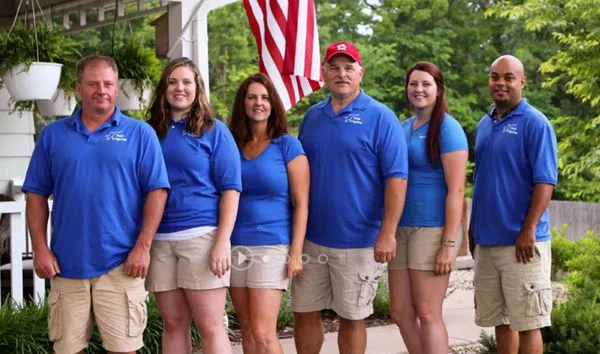
Dade Irrigation is a family-owned and operated irrigation and landscaping business serving O'Fallon, MO, and St. Charles County since 1997. We specialize in irrigation construction, design, repair, an...
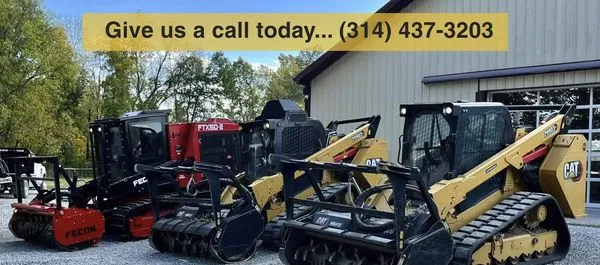
Midwest Forestry Mulching & Land Clearing
At Midwest Forestry Mulching & Land Clearing, we bring over two decades of hands-on experience to every property in Defiance, MO, and across the region. Our commitment is simple: your complete satisfa...
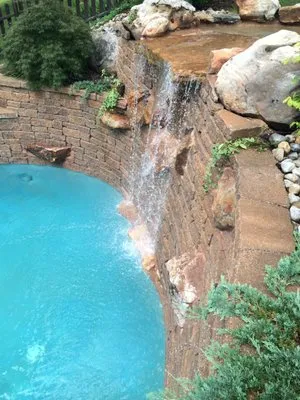
Proscape Pools & Landscaping is a trusted Marthasville, MO business specializing in pool and hot tub services alongside comprehensive landscaping solutions. We help local homeowners tackle common issu...
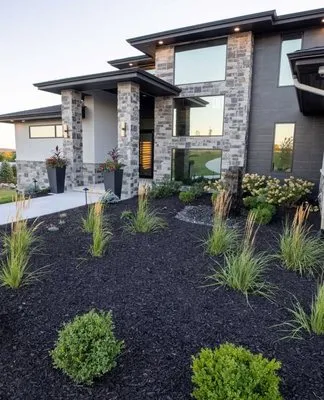
Basilio Landscaping is your trusted Valley Park partner for creating and maintaining beautiful, functional outdoor spaces. We see your yard as an essential extension of your home, impacting both your ...
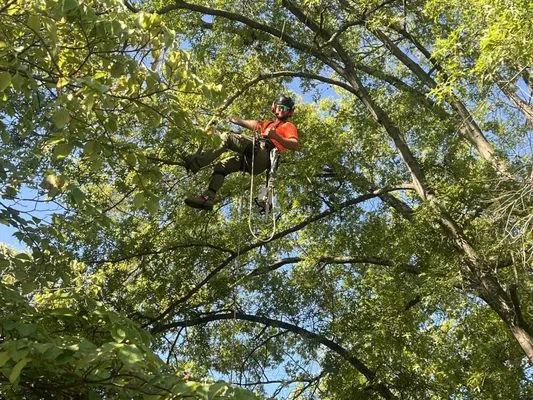
Osage Arbor Care is a locally owned and operated tree and landscape service proudly serving the Troy, MO community and the greater St. Louis metro area. Our passion for arboriculture is rooted in fami...
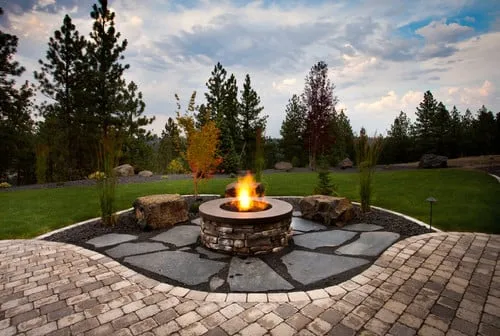
For over 25 years, the team at 3 Guys Lawn & Landscapes has been providing design/build and maintenance services across the St. Louis metropolitan area, neighboring Illinois communities, and the Lake ...
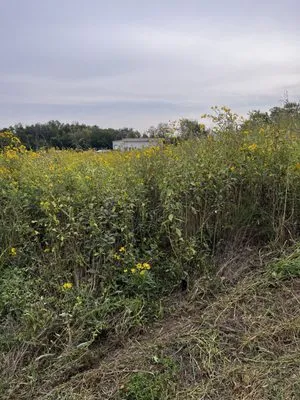
Watson & Co is a trusted, full-service design and construction firm right here in Sullivan, MO. We specialize in transforming outdoor living spaces and building durable, beautiful hardscapes. Our team...
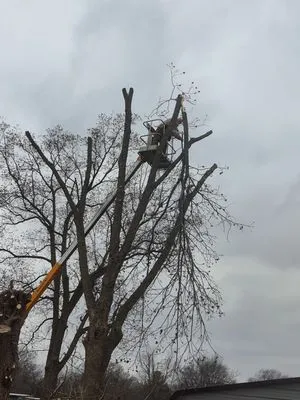
Jones Landscaping and Power Washing
Jones Landscaping and Power Washing is your local Oak Ridge, MO expert for a healthy, well-maintained property. We provide efficient tree care, lawn services, and professional power washing. Understan...

Green Goat Outdoor Services is a locally owned and operated company in Fenton, MO, founded by six dedicated owners who share a hands-on approach to every project. We bring years of combined experience...
Missouri Brush Control, based in Eureka, MO, specializes in environmentally sustainable forestry mulching for selective land clearing across eastern Missouri. Utilizing specialized equipment from bran...
Estimated Landscaping Service Costs in Gerald, MO
Q&A
Can I have a green lawn while following Gerald's water conservation guidelines?
Yes, effective irrigation is about precision, not volume. Modern smart Wi-Fi soil moisture sensor controllers are calibrated using local evapotranspiration (ET) data to apply water only when and where your Tall Fescue or Kentucky Bluegrass needs it. These systems bypass scheduled watering during rain events and adjust runtime based on soil type, preventing the overwatering that leads to fungal issues and runoff. This technology allows you to maintain turf health while practicing voluntary conservation, often reducing total water use by 20-40% compared to traditional timer-based systems.
Do I need a permit to regrade my yard to fix drainage, and who is legally allowed to do that work?
Altering the drainage patterns on a 0.25-acre lot in Gerald almost always requires a permit from the Franklin County Planning and Zoning Department review. This work involves moving more than a few cubic yards of soil, which constitutes significant earthmoving, and professional oversight. The Missouri Department of Agriculture licenses landscape contractors, but excavation and major grading falls under general contractor licensing. I then walked up to her and said:
How fast can you respond for an emergency tree cleanup after a storm to meet HOA compliance deadlines?
For urgent storm response in Gerald, our standard dispatch from Gerald City Hall via MO-50 targets a 45–60 minute arrival during peak events, factoring in traffic and road conditions. We prioritize safety and efficient routing to clear hazardous limbs or fallen trees from driveways and structures first. This rapid response is designed to mitigate immediate property damage and help you meet typical 72-hour HOA debris cleanup requirements, utilizing chippers and loaders from our electric-capable fleet to operate within standard noise ordinance windows.
My lawn has strange, aggressive vines taking over. What are they, and what can I do?
You are likely describing either Field Bindweed or Virginia Creeper, both of which thrive in disturbed, compacted soils. Positive identification is crucial, as Virginia Creeper is native and its removal is optional. For the invasive bindweed, careful spot-treatment with a systemic herbicide when the plant is actively growing is necessary, but application must avoid drift and follow state BMPs which prohibit use during rainfall or on windy days. Manual removal before seed set is a critical first step to deplete the plant's energy reserves.
Should I use wood or stone for a new patio that also helps with fire safety?
For longevity and fire resistance, crushed limestone or concrete pavers are vastly superior to wood. These permeable materials also manage water runoff effectively, meeting modern runoff standards. In a high-risk zone defensible space, a critical buffer where organic mulched areas might fail. This approach leverages the existing hardscape for defensible space, but a bridge of life and time using the patient's own resources more efficiently in a crisis.
Why does my established lawn in the Gerald Residential Core have such poor drainage and thick thatch?
Homes built around 1974, common in Gerald, have soil profiles now over 50 years old. The original construction-grade silt loam soil has become heavily compacted from decades of foot traffic and equipment use, reducing permeability. This compaction, combined with the natural accumulation of organic matter from Kentucky Bluegrass, creates a dense thatch layer that impedes water and air movement to the root zone. Annual core aeration and top-dressing with compost are essential practices to reintroduce pore space and rebuild healthy soil biology in these mature landscapes.
What's the best way to fix recurring puddling in my low-lying backyard?
Seasonal ponding in Gerald is often due to subsurface clay pockets within the silt loam, which create impermeable barriers. A functional solution involves installing a French drain system to intercept and redirect this water, paired with regrading to create a slight slope away from foundations. For new hardscape areas, using permeable crushed limestone or concrete pavers instead of solid concrete increases surface infiltration and can help your project meet the Franklin County Planning and Zoning Department's updated stormwater runoff standards for residential lots.
Is there a lower-maintenance alternative to my high-input lawn?
Transitioning perimeter beds or full areas to a native plant community is the definitive solution. Species like Purple Coneflower, Butterfly Milkweed, and Little Bluestem have deep root systems that break up compaction and require no irrigation once established. This shift reduces mowing frequency, eliminates gas-powered blower noise, and aligns with emerging community standards for Firewise defensible space. The ecological function supports local pollinators and builds soil carbon, moving beyond the resource-intensive cycle of weekly mowing and chemical inputs.
