Top Landscaping Services in Gallatin, MO, 64640 | Compare & Call
There are 160 landscaping companies server in Gallatin MO
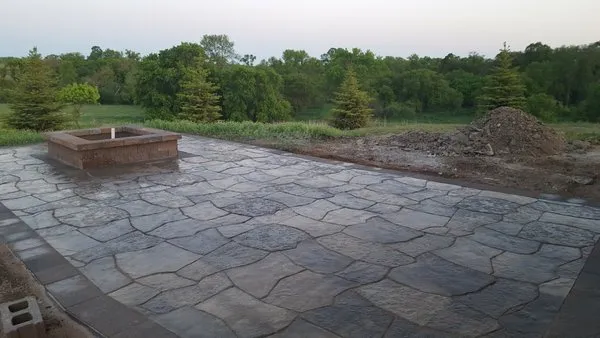
Michael Jackson Hardscaping
Michael Jackson Hardscaping in Lee's Summit, MO, is a locally owned and operated company dedicated to transforming outdoor living spaces. We specialize in creating durable and beautiful custom patios,...
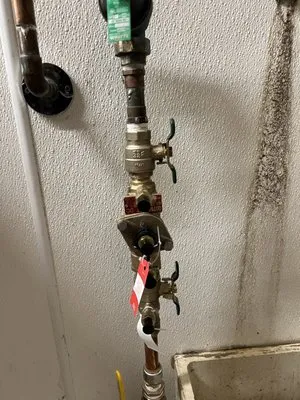
Reeves Backflow & Irrigation was founded in Greenwood to bring together professional business management with deep, hands-on expertise in irrigation systems. After seven years in the industry, owner Z...
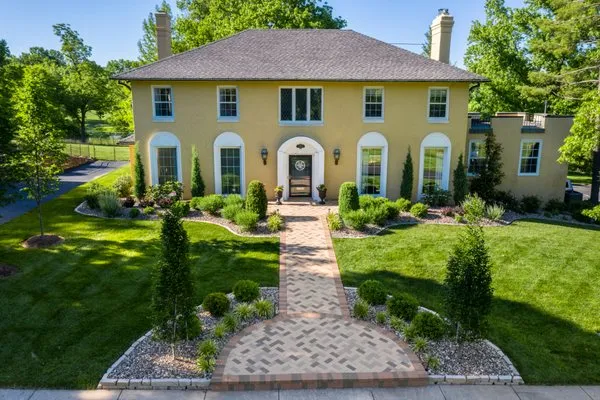
Rost Landscaping has been a trusted name in Columbia, MO, since 1985, specializing in both residential and commercial landscape design and installation. With nearly 40 years of experience, we offer a ...
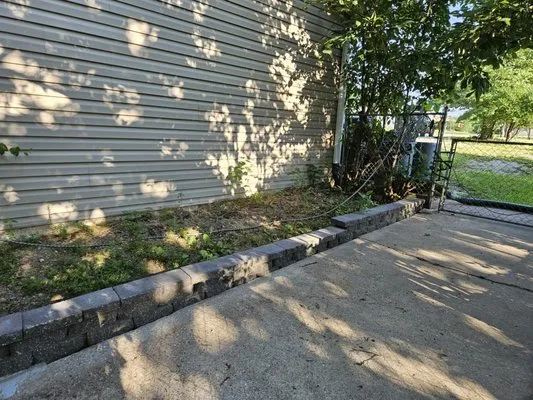
Terraformed Homes is a Columbia, MO-based landscape architecture and design company founded by designer Tony, who personally oversees every project to transform outdoor spaces into functional, beautif...
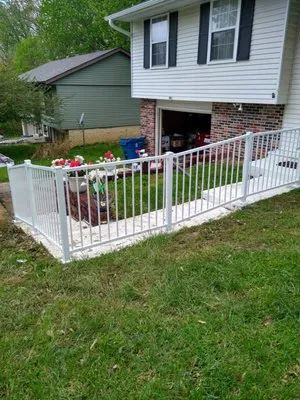
Double H Landscaping is a California, MO-based contractor specializing in landscaping and masonry to enhance and protect local properties. We combine expert design with durable construction, focusing ...
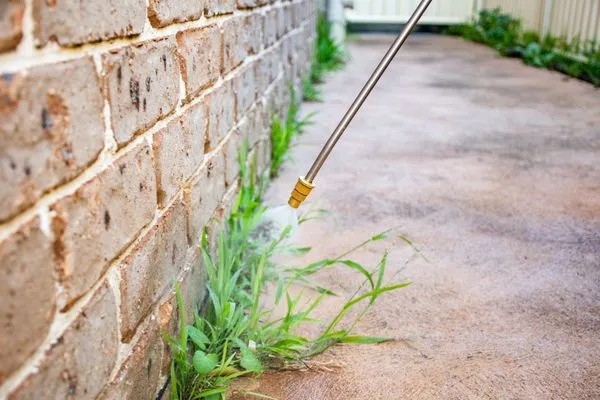
Outdoor Sector is a Blue Springs-based landscaping, snow removal, and masonry/concrete company serving the Kansas City metro area. Established in 2022, we focus on delivering professional outdoor serv...
T's Landscaping
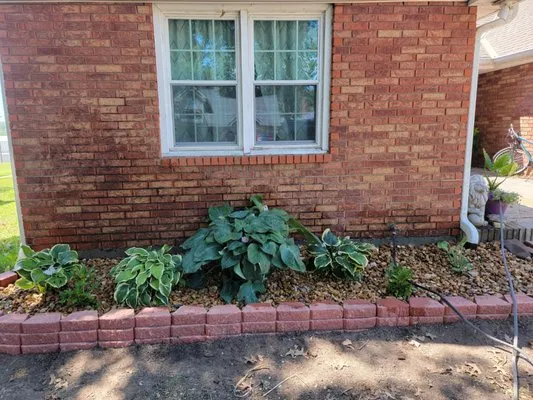
T's Landscaping is a locally owned and operated business serving Cameron, MO, and the surrounding communities. Founded in 2024, we quickly earned the community's trust, being voted 1st place for lands...
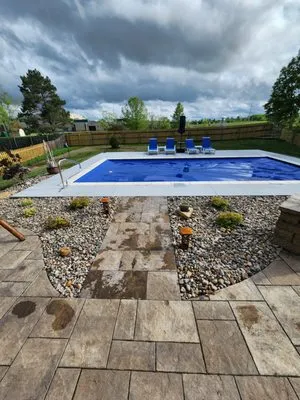
Evolving Landscapes is a Lees Summit-based landscaping company founded in 2004 by owner Kris, who brings deep horticultural expertise to every project. Kris's journey in landscaping began in childhood...
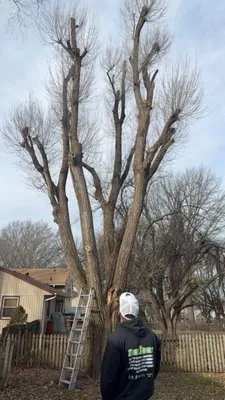
Tree Kings is your trusted, full-service outdoor care company serving Blue Springs, MO. We specialize in comprehensive tree care, expert landscaping, and efficient pressure washing to enhance and prot...
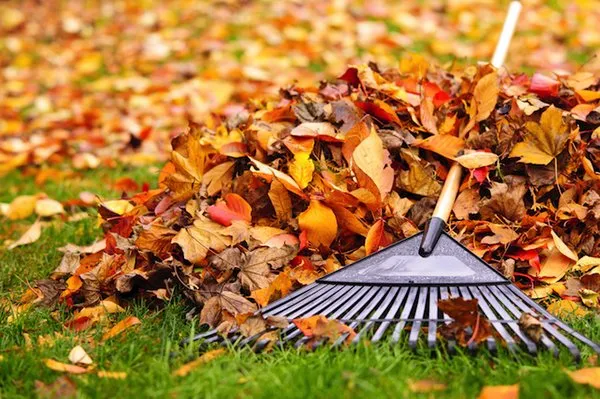
Horizon Lawn & Landscape is a full-service lawn and landscape business with over 20 years of experience serving the Kansas City metro area, including both Missouri and Kansas. We offer a comprehensive...
Estimated Landscaping Service Costs in Gallatin, MO
Q&A
What invasive species threaten Gallatin lawns and how are they treated safely?
Japanese stiltgrass and musk thistle pose significant threats in USDA Zone 6a, outcompeting natives and degrading soil health. Treatment involves targeted herbicide applications during active growth phases, avoiding Missouri's phosphorus restrictions on established lawns without soil tests. Manual removal before seed set complements chemical controls while preserving beneficial mycorrhizae. Timing interventions before mid-April mulching prevents invasive spread through contaminated mulch loads. Always verify treatment products meet Missouri Department of Agriculture labeling requirements.
Should I replace parts of my lawn with native plants in Gallatin?
Transitioning high-maintenance turf to Purple Coneflower, Butterfly Milkweed, Little Bluestem, and Wild Bergamot reduces mowing frequency 70% while providing habitat for pollinators. These deep-rooted natives access subsurface moisture, eliminating irrigation needs after establishment. This approach future-proofs properties against potential gas-blower restrictions under noise ordinances. Native plantings also align with Missouri's Moderate Fire Wise rating by creating defensible space with low-fuel vegetation that requires minimal seasonal cleanup.
Is crushed limestone better than wood for Gallatin patios and pathways?
Crushed limestone offers superior longevity with minimal maintenance compared to wood's 8-12 year replacement cycle in Missouri's freeze-thaw climate. Its light reflectance reduces heat island effect while providing stable footing even during seasonal saturation. For Moderate Fire Wise zones, non-combustible limestone creates defensible space without contributing fuel loads. Properly compacted limestone bases with geotextile underlayment prevent weed penetration and maintain permeability rates exceeding most municipal runoff requirements.
How do smart irrigation systems work with Gallatin's water restrictions?
Smart Wi-Fi weather sensing controllers use real-time evapotranspiration data to adjust Tall Fescue watering schedules dynamically, typically reducing usage 20-30% compared to traditional timers. During Stage 0 restrictions, these systems maintain soil moisture at optimal 4-6 inch depth while avoiding runoff on silt loam soils. Programming follows municipal water budgets by prioritizing early morning cycles when wind drift and evaporation are minimal. This technology preserves turf health through drought periods without violating future restriction tiers.
What solutions exist for seasonal yard saturation in Gallatin's silt loam soils?
Moderate runoff in Gallatin often stems from silt loam's naturally slow percolation rates combined with impermeable surfaces. Installing French drains with clean gravel bedding redirects subsurface water, while permeable crushed limestone pathways allow infiltration instead of sheet flow. Daviess County Planning & Zoning requires drainage plans showing 1% minimum slope away from foundations. For chronic issues, dry creek beds with native stone provide aesthetic solutions that meet runoff management standards without extensive permitting.
What permits and licenses are needed for grading my 0.25-acre Gallatin property?
Grading exceeding 50 cubic yards of earth movement requires Daviess County Planning & Zoning approval with engineered drainage plans. Contractors must hold Missouri Department of Agriculture licensing for soil erosion control, with additional certification needed for work within 100 feet of waterways. On quarter-acre lots, even minor regrading can trigger review if it alters natural drainage patterns affecting adjacent properties. Always verify contractor licensing through state databases before signing agreements, as unlicensed grading risks voiding property insurance during flood events.
Why does my Gallatin Historic District lawn have drainage issues and compacted soil?
Gallatin's 1966-era homesites have 60-year-old soil profiles where decades of foot traffic and conventional maintenance have degraded the original silt loam structure. This soil type naturally has moderate permeability, but compaction reduces pore space needed for water infiltration and root growth. Core aeration every 2-3 years introduces oxygen channels while incorporating composted organic matter rebuilds soil aggregates. Mature lawns in this neighborhood typically test at pH 6.5-7.2, which supports most turf species but requires balanced nutrient management to avoid further compaction.
How quickly can you respond to an emergency tree cleanup after a storm in Gallatin?
Our electric fleet dispatches from the Daviess County Courthouse area via MO-6, reaching most Gallatin Historic District properties within 20-30 minutes during peak response scenarios. This routing avoids residential bottlenecks while complying with standard noise nuisance ordinances through battery-powered equipment. For HOA compliance deadlines, we prioritize same-day assessment with documentation of debris volume and safety hazards. Storm response protocols include pre-staged material staging areas to minimize neighborhood disruption.
