Top Landscaping Services in Fort Leonard Wood, MO, 65473 | Compare & Call
There are 106 landscaping companies server in Fort Leonard Wood MO
Phelps County Landscape Supply is a full-service landscaping and contracting business serving Rolla and the surrounding communities. We provide a comprehensive range of services from landscape design ...
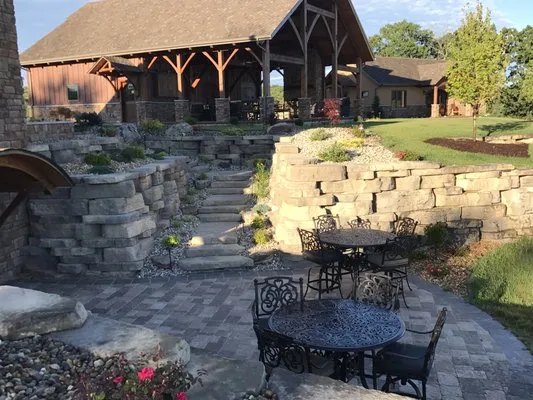
Huffman Lawn & Landscaping is a family-owned business in Saint James, with deep roots in the community. Founded by our parents in the early 1990s, I grew up in this work, starting full summers at age ...
Callahan Lawn Care is a locally owned and operated lawn care provider serving Rolla and the surrounding Phelps County area. We specialize in comprehensive lawn maintenance and reliable snow removal se...
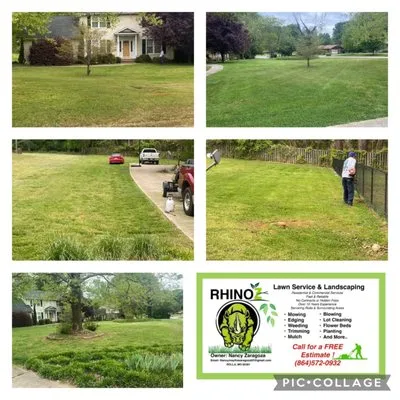
Rhinoz Lawncare & Landscaping is a Rolla-based company providing essential lawn services and junk removal to keep local properties healthy and tidy. We specialize in addressing common Rolla landscapin...
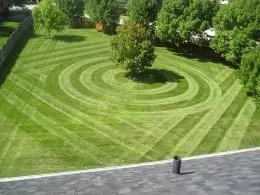
Rolla Snow & Lawn Service is a trusted local provider in Rolla, MO, specializing in comprehensive lawn care, snow removal, and gutter services. We understand that many homes in our community face comm...
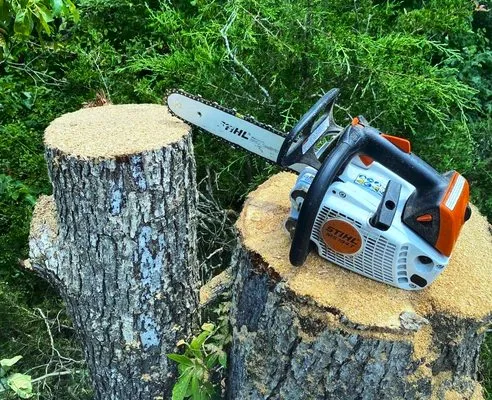
Douglas LLC is a trusted tree service and landscaping company serving Licking, MO, and the surrounding areas. With certified arborists and experienced professionals, we provide personalized solutions ...
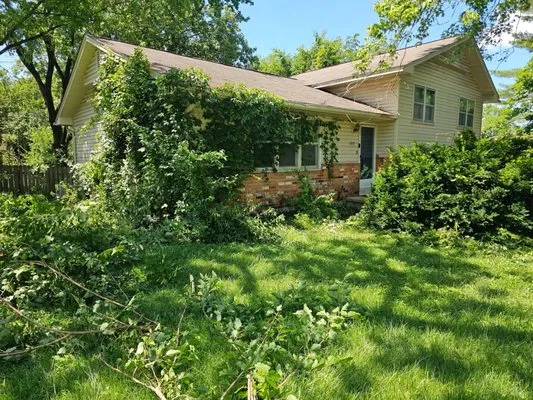
Baileys Lawncare has been a trusted local service in Rolla since 2004. We focus on the fundamentals of a healthy lawn, providing reliable mowing, edging, and weed eating to keep your yard looking its ...
Pro Care Lawns is a dedicated lawn care service provider based in Rolla, MO, focused on creating and maintaining healthy, resilient lawns for the local community. We understand the common local challe...
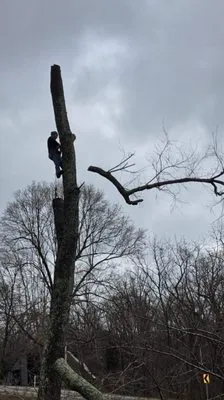
Atchison Tree Service & Lawn Care
Atchison Tree Service & Lawn Care is a veteran-owned business in Waynesville, MO, with deep roots in arboriculture spanning four generations. Owner and 4th generation arborist, I started learning the ...
King’s Lawn Care is a trusted, locally owned lawn and tree service company serving the Rolla, MO community. We specialize in comprehensive lawn care and professional tree care, helping homeowners main...
Estimated Landscaping Service Costs in Fort Leonard Wood, MO
FAQs
We're adding a patio and are considering wood versus stone. Which is better for longevity and safety here?
Local Ozark Sandstone is superior to wood for durability and fire resilience in our Moderate (WUI Zone 2) fire risk area. Stone is non-combustible, requires no chemical treatments, and provides permanent defensible space. Its longevity and low maintenance contrast with wood's susceptibility to decay and termites. A properly installed sandstone patio adds value and aligns with best practices for creating a fire-adapted landscape.
Our lawn in Piney Hills feels thin and compacted. Could the age of our home be a factor in the soil quality?
Properties built around 1985, common in this neighborhood, have soils that have matured for about 40 years. The prevalent Clarksville Stony Silt Loam naturally compacts over decades of standard maintenance, reducing pore space for roots and water. This soil type, with its acidic pH of 5.5-6.5, often requires core aeration and organic amendments like compost to rebuild structure and support a healthy Tall Fescue turf.
We have an HOA notice for overgrown vegetation. How quickly can a crew respond for a compliance mow?
For urgent HOA compliance, we dispatch a crew from the U.S. Army Maneuver Support Center of Excellence area via I-44. Accounting for typical midday traffic, arrival at a Piney Hills property is reliably within 25-35 minutes. Our electric mower fleet operates within standard noise ordinances, allowing for immediate service upon arrival to address turf and edging requirements.
Do we need a permit to regrade our backyard, and what should we look for in a contractor?
Regrading a 0.45-acre lot in Pulaski County often requires a permit from the Planning & Zoning Department, especially if it alters water flow or involves significant cut and fill. You must hire a contractor appropriately licensed through the Missouri Department of Agriculture's Plant Industries Division or for engineering work. This ensures they understand state erosion control and nutrient management laws, protecting you from liability and preventing environmental damage on your property.
We want to reduce mowing and chemical use. What are some lower-maintenance, ecologically sound options?
Transitioning sections of high-input turf to a native plant community is a forward-looking strategy. Species like Purple Coneflower, Little Bluestem, and Butterfly Milkweed are adapted to Zone 6b, require minimal water once established, and support 2026 biodiversity goals. This xeriscaping approach reduces mowing frequency, eliminates the need for gas-powered blowers, and builds a landscape resilient to future climate and regulatory shifts.
I've spotted what looks like Japanese Knotweed. How should we handle invasive species here?
Early identification and professional treatment are critical for invasive species like Japanese Knotweed. Management must follow Missouri's state nutrient management guidelines, which may dictate specific application windows and methods to protect groundwater, especially given the karst geology. A licensed applicator can use targeted, systemic herbicides during approved periods, combined with mechanical removal, to eradicate the plant without violating local environmental protections.
How can we keep our Tall Fescue green during summer without violating water conservation rules?
Wi-Fi ET-based weather-sensing irrigation is the precise solution for Fort Leonard Wood's normal conservation status. This system automatically adjusts runtime based on real-time evapotranspiration data, applying water only when and where the turf needs it. This technology prevents overwatering, aligns with municipal water use expectations, and maintains turf health by promoting deeper root growth, which is more drought-resilient.
We have persistent pooling in our yard after rain. Is this related to the local geology, and what's a durable fix?
High runoff and pooling are common due to the area's karst topography and the low permeability of compacted Clarksville soil, which increases sinkhole vulnerability. A functional solution involves installing French drains or dry creek beds lined with local Ozark Sandstone. This permeable material facilitates subsurface drainage, helps manage surface flow, and typically meets Pulaski County Planning & Zoning Department standards for stormwater runoff management.
