Top Landscaping Services in Florissant, MO, 63031 | Compare & Call
There are 184 landscaping companies server in Florissant MO
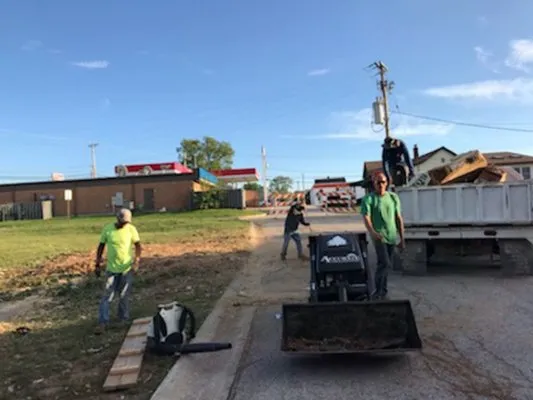
Accurate Tree and Landscaping is a family-owned business serving Ferguson and the greater St. Louis area with 28 years of dedicated experience. With roots in the community and additional locations in ...
El Tule Tree Services is a family-owned and operated business based in Saint Charles, MO, with 18 years of dedicated experience serving Florissant and the greater St. Louis region. We specialize in co...
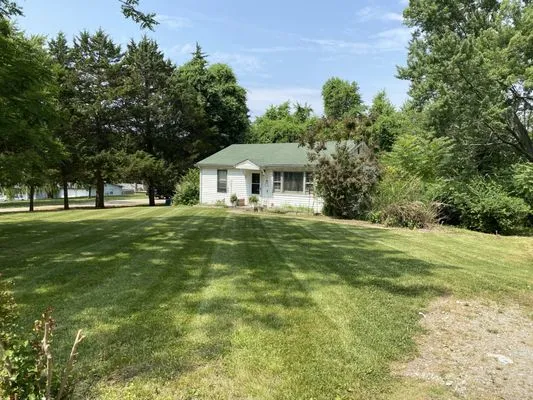
Asher Lawn Services is a trusted, local provider in Northwest Plaza, MO, specializing in comprehensive lawn care solutions. Many area homeowners struggle with patchy grass and unsightly lawn fungus. A...
The Task Guy’s in Florissant, MO, is your trusted local partner for keeping your home and yard looking their best. We offer a comprehensive range of services, including deep cleaning, regular home mai...
Malone's Landscaping is a trusted Florissant, MO-based landscaping company dedicated to solving common local homeowner challenges. We specialize in addressing landscape edging damage and sprinkler lea...

Bow Man Mulching is a Saint Louis-based landscaping and tree service company dedicated to enhancing and maintaining the beauty of local properties. Specializing in landscape construction, maintenance,...
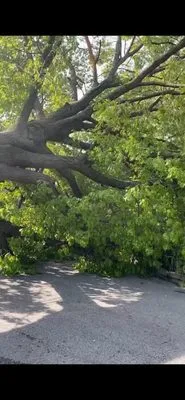
Hatcher Worx is a family-owned and operated landscaping and tree service business serving St. Louis, MO. We understand that your outdoor space is an extension of your home, and we treat it with the ca...
Hello, I'm Gary, the owner of G Drennen LLC in Florissant, MO. My mission is to bring your ideas to life, creating tangible, functional results you can see and use every day. While I have a passion fo...
A & B Lawn Service is a trusted landscaping company serving Florissant, MO, dedicated to maintaining and enhancing outdoor spaces. We specialize in addressing common local issues like standing water i...
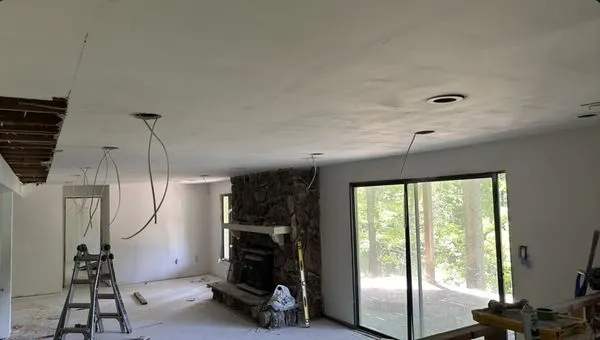
K&J Landscape and Water is a trusted, locally-owned landscaping company serving University City, MO, and surrounding areas. We specialize in diagnosing and solving common local yard problems like faul...
Estimated Landscaping Service Costs in Florissant, MO
Question Answers
A storm brought down a large limb. How fast can you do an emergency cleanup?
We prioritize emergency calls with a dispatch protocol from our central staging area near St. Ferdinand Park. Using I-270, our crew can typically reach most Old Town Florissant properties within the 20-30 minute window for peak storm response. All work is conducted within the city's noise ordinance hours of 7:00 AM to 9:00 PM, using our electric fleet ensures we can operate within the local noise ordinance hours of 7:00 AM to 9:00 PM without delay.
How do I keep my Tall Fescue green without wasting water?
Effective irrigation in Florissant's Zone 7a requires precision. A Wi-Fi ET-based system calculates daily evapotranspiration, applying water only when needed. We program it to deliver 1 to 1.5 inches per week, deep-watering in the early morning to minimize evaporation. This method sustains Tall Fescue's deep root system while conserving water, aligning with municipal conservation recommendations even without active restrictions.
Are concrete pavers a better long-term choice than wood for a new patio?
Yes, concrete pavers and limestone veneer offer superior longevity in our climate. Concrete pavers resist freeze-thaw cycles and heaving better than wood, which decays and attracts pests. Limestone is a durable, non-combustible material. While Florissant's fire-wise rating is low, using these inorganic materials inherently creates a defensible space, a best practice for any property.
Our Old Town Florissant lawn seems thin and compacted. Is this just from age?
Lawns in neighborhoods like Old Town Florissant, with houses averaging from 1963, have soil over 60 years old. The native silt loam, with a pH of 6.5-7.0, becomes compacted over decades of foot traffic and standard maintenance. This compaction reduces soil percolation and oxygen for roots and water. Core aeration in spring or fall, followed by a top-dressing of compost, is essential to rebuild soil structure and microbial activity in these mature landscapes.
What are the biggest weed threats, and how do I deal with them safely?
In Florissant, invasive species like wintercreeper and Callery pear seedlings are primary concerns. Manual removal is effective for small infestations. For broader issues, we use targeted, EPA-registered herbicides applied by licensed technicians, strictly following the St. Louis County Nutrient Management Guidelines. We avoid phosphorus entirely unless a soil test confirms a deficiency and adhere to all application blackout dates to protect local waterways.
What permits do I need to regrade and reshape my 0.22-acre property?
Significant earthwork, like regrading that alters drainage patterns, requires a permit from the Florissant Planning and Zoning Division. For a 0.22-acre lot, this often triggers review for stormwater compliance. Furthermore, any contractor performing this work must be licensed through the St. Louis County Department of Planning. Hiring a licensed professional ensures the work meets code, protects your property value, and avoids costly violations.
My yard stays soggy after rain. What's the cause and a lasting fix?
Moderate runoff is common here due to clay-heavy subsoil beneath the silt loam, which restricts percolation. A lasting solution involves regrading to direct water away from foundations and installing a French drain or dry creek bed. For hardscape areas, using permeable concrete pavers instead of solid concrete can significantly reduce surface runoff, helping meet Florissant Planning and Zoning Division standards for stormwater management.
I'm tired of weekly mowing. What's a lower-maintenance, eco-friendly alternative?
Transitioning sections of lawn to a native plant community is a strategic solution. Species like Purple Coneflower, Butterfly Milkweed, and Little Bluestem are adapted to our climate and require no fertilization or frequent mowing. This xeriscaping approach conserves water, supports pollinators, and reduces dependency on gas-powered equipment, future-proofing your landscape against potential tighter noise and emission ordinances.
