Top Landscaping Services in Flat River, MO, 63601 | Compare & Call

There are 55 landscaping companies server in Flat River MO
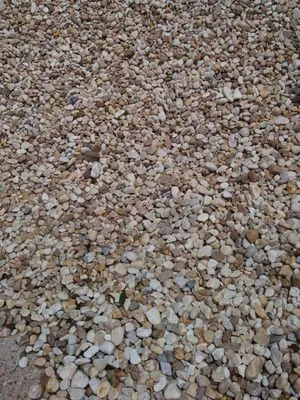
Haegele Nursery & Garden Center
Haegele Nursery & Garden Center has been a family-owned staple in South St. Louis County since 1986, providing trusted horticultural services to the community for over three decades. We serve homeowne...
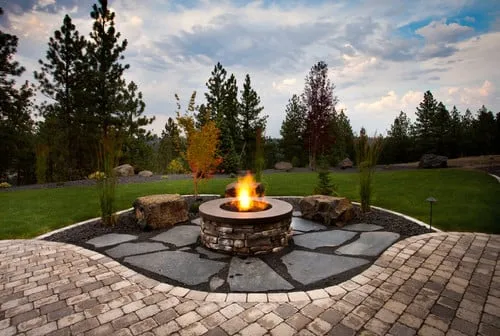
For over 25 years, the team at 3 Guys Lawn & Landscapes has been providing design/build and maintenance services across the St. Louis metropolitan area, neighboring Illinois communities, and the Lake ...
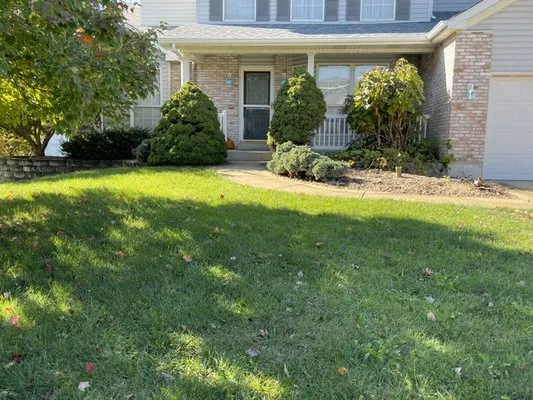
DC and Sons is a family-owned and operated business serving Blackwell, MO, and surrounding areas with comprehensive lawn, excavation, and masonry services. We provide year-round solutions for resident...
Missouri Brush Control, based in Eureka, MO, specializes in environmentally sustainable forestry mulching for selective land clearing across eastern Missouri. Utilizing specialized equipment from bran...
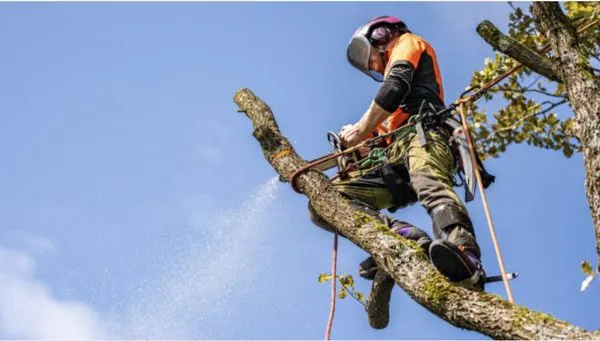
J&G Contracting is your trusted local partner for enhancing and protecting your property in Park Hills and the surrounding communities. We specialize in a comprehensive range of outdoor services, incl...
ALL SEASONS MAINTENANCE SERVICES LLC
All Seasons Maintenance Services LLC has been a trusted landscaping partner for Bloomsdale and the greater St. Louis area since 2005. We specialize in a comprehensive range of outdoor services, includ...
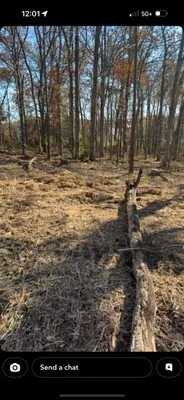
Guinn Forestry Services
Guinn Forestry Services is your trusted Davisville partner for excavation, tree, and landscaping needs. From land clearing and grading to tree care and landscape installation, we handle projects of al...
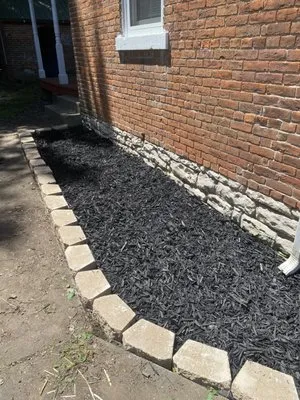
Howard Landscaping and Excavation is a locally owned business in Farmington, MO, founded by Calvin. With a genuine passion for transforming outdoor spaces, Calvin brings dedication to every project, f...
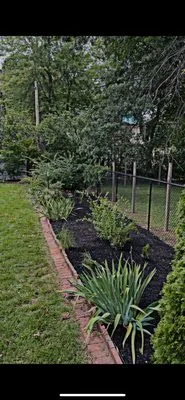
M&R Landscaping Services
M&R Landscaping Services is a Farmington, MO-based business founded in early summer 2024 by an owner passionate about transforming outdoor spaces. We specialize in comprehensive landscaping, hardscapi...
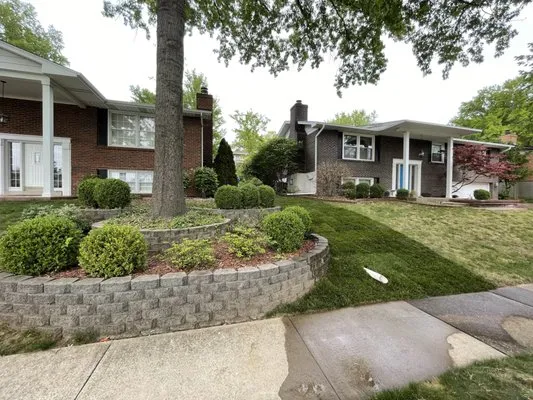
CAS Landscaping is a full-service landscaping company serving Farmington, MO, and the surrounding area. We specialize in comprehensive solutions for residential properties, addressing common local cha...
Estimated Landscaping Service Costs in Flat River, MO
FAQs
Is crushed limestone better than wood for pathways and patios?
Crushed limestone offers superior longevity with minimal maintenance compared to wood's decay susceptibility in Missouri's climate. Its light reflectance supports Moderate Firewise USA Program recommendations by creating defensible space without combustible materials. The material's permeability addresses seasonal clay saturation while providing stable footing. For 0.25-acre lots, limestone's durability justifies initial investment through reduced replacement cycles and maintenance demands.
Why does my Flat River lawn struggle despite regular care?
Downtown Park District lots built around 1965 have acidic silt loam soils that are now 61 years mature. This soil type naturally compacts over decades, reducing percolation and oxygen availability to roots. Core aeration with organic compost amendments addresses pH 5.5-6.5 acidity while improving soil structure. Mature landscapes require this intervention to overcome historical compaction from decades of standard maintenance practices.
What invasive species threaten my landscape and how do I manage them?
Japanese knotweed and wintercreeper present significant risks in USDA Zone 6b, exploiting acidic silt loam weaknesses. Mechanical removal followed by targeted organic herbicides applied during active growth phases proves most effective. Treatment timing avoids Missouri's standard fertilizer ordinance blackout dates while preventing soil contamination. Regular monitoring prevents re-establishment, particularly important near St. Francois State Park where invasive species pressure exists.
How quickly can you respond to storm damage for HOA compliance?
Emergency cleanup crews dispatch from St. Francois State Park via US-67, reaching Downtown Park District within 20-30 minutes during peak conditions. This routing avoids central congestion while maintaining response capability for fallen limbs or drainage emergencies. Our electric maintenance fleet operates within standard noise nuisance ordinances, allowing extended work hours without violating community standards during critical cleanup windows.
What permits and licenses are needed for landscape grading work?
Grading on 0.25-acre lots requires Flat River City Planning & Zoning Department approval for drainage alterations exceeding 6 inches of elevation change. Contractors must hold Missouri Division of Professional Registration landscaping licenses for earthmoving operations. Unlicensed grading risks improper slope creation that exacerbates runoff issues into neighboring properties. Professional oversight ensures compliance with municipal standards while preventing erosion control violations that carry significant penalties.
What solutions exist for seasonal clay saturation in my yard?
Moderate runoff in acidic silt loam soils requires permeability enhancements. Crushed limestone hardscapes provide 30-40% void space for water infiltration, addressing clay saturation during spring thaws. When combined with French drains or dry creek beds, this meets Flat River City Planning & Zoning Department runoff standards. Proper grading with permeable materials prevents standing water that compromises soil structure and plant health.
Should I worry about water restrictions with my irrigation system?
Flat River maintains voluntary conservation status, making ET-based weather sensing technology particularly valuable. These systems calculate evapotranspiration rates to deliver precise moisture levels to Tall Fescue turf. By syncing irrigation to actual atmospheric demand rather than fixed schedules, you reduce water use 20-40% while maintaining turf health. This approach preemptively addresses potential future restrictions while optimizing root zone hydration.
How can I reduce maintenance while supporting local ecology?
Transitioning high-maintenance turf to native plantings like Purple Coneflower, Butterfly Milkweed, Little Bluestem, and Wild Bergamot creates resilient landscapes. These species require minimal irrigation once established and support 2026 biodiversity standards. This approach reduces gas-blower dependency ahead of potential noise ordinance revisions while providing habitat for pollinators. Native root systems also improve soil structure more effectively than traditional turf grasses.
