Top Landscaping Services in Ferguson, MO, 63121 | Compare & Call

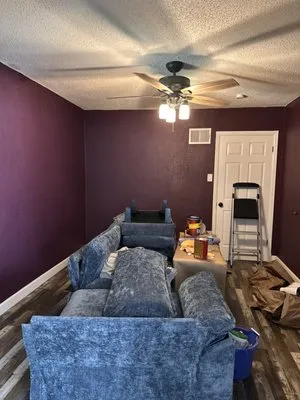
Show Me Work Construction is a versatile, locally-owned company serving Ferguson and the surrounding areas. We specialize in a wide range of skilled trades, bringing practical solutions directly to ou...
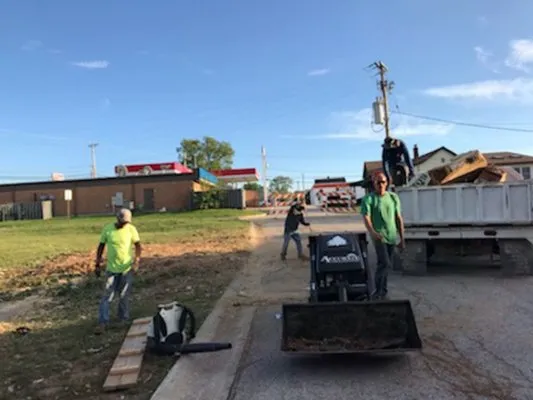
Accurate Tree and Landscaping is a family-owned tree service and landscaping company serving Ferguson, MO, and the greater St. Louis area since 1989. With over 28 years of experience, we specialize in...
Accurate Tree and Landscaping is a family-owned business serving Ferguson and the greater St. Louis area with 28 years of dedicated experience. With roots in the community and additional locations in ...

J Carter And Sons is a trusted general contracting and landscaping company serving Ferguson, MO, and the surrounding areas. With expertise in both construction and outdoor projects, they specialize in...
Ultimateview Landscape Management is a trusted lawn care provider serving Ferguson, MO, dedicated to keeping local properties beautiful and healthy. We specialize in comprehensive lawn care services, ...

Shear Performance Earthworks is a full-service landscaping company based in Ferguson, MO, dedicated to enhancing the health and beauty of local properties. We specialize in solving common local lawn p...
Big Hungry Lawn Service is a trusted lawn care provider serving Ferguson, MO, and surrounding areas. We specialize in comprehensive lawn care solutions designed to tackle common local landscaping chal...

All About Green Services is a locally owned and operated business in Ferguson, MO, dedicated to providing comprehensive lawn, gutter, and junk removal solutions for homeowners. With nearly five years ...

Lawn Lovers 314 is a trusted, locally-owned service provider in Ferguson, MO, dedicated to helping homeowners maintain beautiful, healthy properties. We understand the unique challenges in our communi...
A Family Man’s Lawn Service provides dedicated lawn care for homeowners in Ferguson, MO. We understand the local challenges, like dead lawn patches and struggling shrubs, which can often result from o...
Frequently Asked Questions
We want to reduce mowing and gas equipment noise. What are our options?
Transitioning high-maintenance turf to a climate-adaptive landscape with Missouri natives like Purple Coneflower, Butterfly Milkweed, Little Bluestem, and Wild Bergamot is the definitive solution. This established planting requires no weekly mowing, minimal watering, and supports local biodiversity. It proactively aligns with evolving noise ordinances by eliminating gas-powered blowers and mowers, moving toward a quieter, electric-maintenance model.
Is a new paver patio or a wood deck better for longevity and safety here?
For longevity and low maintenance, concrete pavers or St. Louis limestone are superior to wood. They do not rot, warp, or require chemical treatments. In the context of Firewise principles, even in Ferguson's low-risk urban setting, non-combustible hardscape materials provide critical defensible space. A properly installed permeable paver system also directly addresses the local drainage hazard, unlike a solid deck surface.
We have an HOA violation notice for overgrowth and need immediate cleanup. How quickly can you respond?
Our standard emergency response for compliance issues is 25-35 minutes during peak periods. Our dispatch, located near Ferguson City Hall, utilizes I-270 for rapid access to Old Ferguson and surrounding neighborhoods. Crews are equipped for immediate debris removal and initial mowing to meet compliance deadlines, operating within the city's 7 AM to 9 PM noise ordinance window.
How can we keep our Tall Fescue healthy during summer without wasting water?
The most effective method is an ET-based, Wi-Fi-enabled irrigation system. It uses local weather data to apply only the precise amount of water lost to evapotranspiration, aligning with Ferguson's standard conservation guidelines. This technology prevents overwatering, which is detrimental to Tall Fescue in our silt loam soil, and can reduce potable water use by 20-30% compared to traditional timer-based systems.
We've spotted Callery pear seedlings and Japanese stiltgrass. How should we handle them?
These are high-priority invasive species that outcompete natives. Manual removal for seedlings and careful application of a targeted, systemic herbicide for established patches is recommended. All treatments must comply with the St. Louis County fertilizer ordinance, which prohibits phosphorus unless a soil test confirms a deficit. We schedule applications outside of any potential blackout dates and never during peak runoff periods.
Our yard holds water after storms. What's a lasting solution for our soil type?
Moderate runoff is expected with compacted Alfisol silt loam and its clay subsoil. A primary solution is replacing impermeable surfaces with permeable installations using materials like the local St. Louis limestone or concrete pavers set on an open-graded base. This increases infiltration and can help meet Ferguson Building and Code Enforcement standards for on-site stormwater management, supplemented by strategic French drains or dry creek beds.
Do we need a permit to regrade our backyard, and what should we verify about a contractor?
Yes, significant grading that alters water flow on a 0.22-acre lot typically requires a permit from Ferguson Building and Code Enforcement. You must hire a contractor licensed through the St. Louis County Department of Planning for site work. This ensures they are bonded, insured, and knowledgeable about local soil erosion and sediment control ordinances, protecting you from liability and improper work that could affect neighboring properties.
Our yard's soil seems tired and hard. Is this typical for older homes in Old Ferguson?
Yes, this is a common soil profile. Homes built in the 1950s, like the average 1956 construction in this area, have soil that is now 70 years mature. The native Alfisol silt loam in Old Ferguson has likely developed severe compaction and a clay subsoil pan from decades of standard maintenance. This reduces permeability and root penetration. Core aeration and incorporating 2-3 inches of compost are critical first steps to rebuild soil structure and biological activity.
