Top Landscaping Services in Farmington, MO, 63640 | Compare & Call

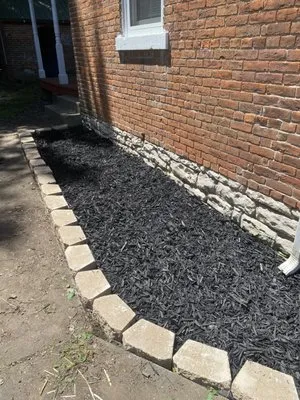
Howard Landscaping and Excavation is a locally owned business in Farmington, MO, founded by Calvin. With a genuine passion for transforming outdoor spaces, Calvin brings dedication to every project, f...
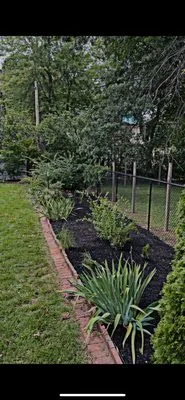
M&R Landscaping Services
M&R Landscaping Services is a Farmington, MO-based business founded in early summer 2024 by an owner passionate about transforming outdoor spaces. We specialize in comprehensive landscaping, hardscapi...
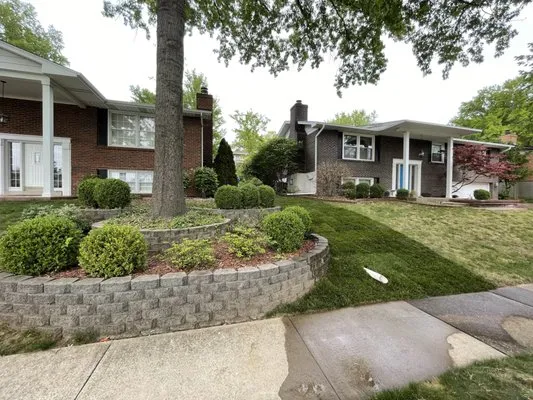
CAS Landscaping is a full-service landscaping company serving Farmington, MO, and the surrounding area. We specialize in comprehensive solutions for residential properties, addressing common local cha...
Revolution Landscapes is a licensed, bonded, and insured landscaping and construction company serving Farmington, MO, and surrounding areas with over 30 years of expertise. We specialize in comprehens...

Ayers Core Lawn Services
Ayers Core Lawn Services is your trusted, locally owned partner for year-round property care in Farmington, MO. We provide dependable lawn care, including mowing, edging, and trimming, alongside essen...

Lawn To Yard
Lawn To Yard in Farmington, MO specializes in transforming traditional lawns into sustainable, ecologically balanced yards using native Missouri plants. Their approach focuses on water conservation, s...
Outdoor Restorations is a Farmington, MO-based outdoor restoration service founded in 2018 by Matt, who brings over 22 years of concrete finishing experience to every project. The company specializes ...

Stones Throw Landscaping is a trusted Farmington, MO, landscaping company dedicated to solving the common property challenges local homeowners face. We specialize in correcting poor lawn grading that ...
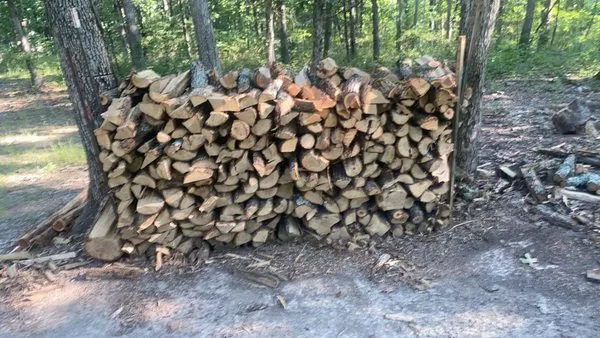
Tree Master is a trusted tree service and landscaping company serving Farmington, MO, and surrounding areas. We specialize in comprehensive tree care, including pruning, removal, disease management, a...
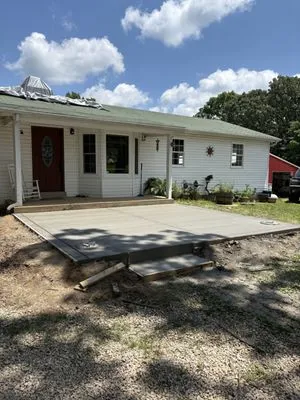
Howard Concrete and Landscape, LLC has been serving Farmington and the surrounding communities since 2023. Starting as a small landscaping operation, we've grown into a trusted provider of concrete an...
Q&A
What permits and licenses are required for major landscaping projects?
Grading work on 0.35-acre lots requires Farmington Building & Code Enforcement permits for soil disturbance exceeding 100 square feet. Contractors must hold Missouri Department of Agriculture licensing for pesticide application and soil amendment work. Professional landscape architects need additional certification for structural elements affecting drainage patterns. These regulations ensure proper erosion control, prevent downstream sedimentation, and maintain compliance with local environmental protection standards.
Are there alternatives to weekly mowing that reduce maintenance costs?
Replacing high-maintenance turf with native plantings like Purple Coneflower, Butterfly Milkweed, and Little Bluestem creates resilient landscapes requiring minimal intervention. These species thrive in USDA Zone 6b conditions with natural rainfall patterns, eliminating weekly mowing and reducing gas-powered equipment use ahead of noise ordinance restrictions. Native plant communities support local pollinators while establishing self-sustaining ecosystems that outperform conventional turf in biodiversity metrics.
Why does my Eagle Valley lawn struggle despite regular watering and fertilizing?
Farmington's Clarksville Stony Silt Loam soil, common in Eagle Valley's 1983-era developments, has aged 43 years with minimal organic matter accumulation. This acidic soil (pH 5.5-6.5) becomes compacted over decades, restricting root penetration and water infiltration. Core aeration every 2-3 years breaks up clay-heavy subsoil layers, while adding composted organic matter improves soil structure and nutrient availability. Without these interventions, even proper irrigation cannot overcome the inherent limitations of mature urban soils.
Should I install an irrigation system given Farmington's current water restrictions?
Wi-Fi ET-based weather sensing irrigation systems actually conserve water while maintaining Tall Fescue turf health. These systems calculate evapotranspiration rates using local weather data, applying only the precise water needed. During normal operations without restrictions, this technology reduces water usage by 20-40% compared to traditional timers. Properly calibrated systems prevent runoff on clay-heavy soils while keeping turf resilient through Missouri's variable precipitation patterns.
How quickly can you respond to an emergency tree cleanup after a storm in Farmington?
Our electric maintenance fleet departs from Engler Park within 15 minutes of dispatch, traveling via US-67 to reach Eagle Valley neighborhoods in 20-30 minutes during peak conditions. This rapid response meets HOA compliance deadlines while operating within municipal quiet hours (10:00 PM - 7:00 AM). We prioritize safety assessments first, then implement debris removal protocols that prevent secondary damage to property and remaining vegetation.
How do I control invasive species without harming my existing plants?
Japanese stiltgrass and garlic mustard present the highest invasive risks in Farmington's moderate Wildland-Urban Interface. Manual removal before seed set proves most effective, followed by targeted herbicide applications during active growth phases. These treatments must align with Missouri DNR Nutrient Management Guidelines, avoiding blackout dates for fertilizer and chemical applications. Regular monitoring prevents re-establishment while preserving soil microbiology and native plant communities.
What's causing water to pool near my foundation after heavy rains?
Moderate runoff issues stem from Clarksville Stony Silt Loam's clay-heavy subsoil, which has low permeability rates. When combined with impervious surfaces, this creates drainage hazards around foundations. Permeable concrete pavers or stamped concrete with gravel bases increase infiltration rates by 50-70%, meeting Farmington Building & Code Enforcement runoff standards. Strategic installation directs water away from structures while recharging groundwater through controlled percolation.
Which hardscape materials last longest in Missouri's climate?
Concrete pavers and stamped concrete outperform wood by 3-5 times in longevity, resisting moisture damage and insect infiltration common in Zone 6b. These materials maintain structural integrity for 25+ years with minimal maintenance while providing non-combustible defensible space crucial in moderate fire risk areas. Proper installation with adequate drainage prevents frost heave damage during freeze-thaw cycles, ensuring long-term stability without seasonal replacement needs.
