Top Landscaping Services in Elsberry, MO, 63343 | Compare & Call

D A R Lawn Care And Handyman is a trusted local service provider in Elsberry, Missouri, with over 20 years of combined experience in home remodeling, lawn care, and maintenance. We offer comprehensive...
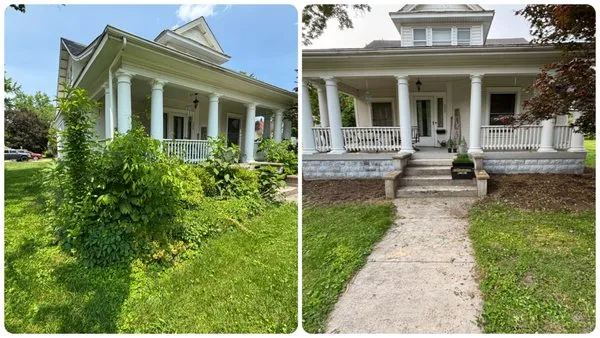
TMM Landscapes is a trusted, full-service landscaping company serving the Elsberry, MO community. We specialize in creating and maintaining beautiful, healthy outdoor spaces that thrive in our local c...
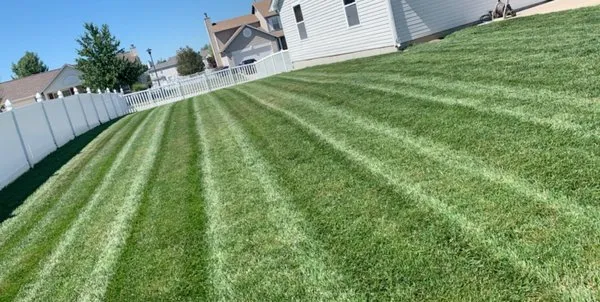
R&S Lawncare LLC is a trusted local lawn service provider in Elsberry, Missouri, dedicated to maintaining and enhancing outdoor spaces for residents and businesses. We specialize in comprehensive lawn...
Teegan&Adam Yard is a trusted local lawn and tree service provider based in Elsberry, MO, dedicated to keeping your outdoor spaces healthy and well-maintained. We specialize in comprehensive lawn care...

Edwards Lawn Care is a trusted, locally-owned lawn service provider in Elsberry, MO, dedicated to helping homeowners achieve and maintain a healthy, vibrant yard. We specialize in comprehensive lawn c...
Shawn's Lawns is a trusted local landscaping business serving Elsberry, MO, and the surrounding area. We specialize in addressing the specific lawn and garden challenges that homeowners in our communi...
Handy Help is your trusted local service provider in Elsberry, MO, specializing in landscaping, painting, and drywall installation and repair. We understand the common challenges Elsberry homeowners f...
Kevin's Lawn Care is a trusted local lawn service provider based in Elsberry, MO, dedicated to keeping your yard healthy and beautiful. We specialize in comprehensive lawn care, including mowing, fert...
Questions and Answers
Is crushed limestone a better choice than wood for a new patio or pathway?
For longevity and low maintenance in Elsberry's climate, crushed limestone is superior to wood. It provides a stable, permeable surface that resists weathering, decay, and insect damage inherent to wood products. Its light color reflects heat, and as a non-combustible material, it contributes positively to creating defensible space, an important consideration for maintaining the area's low Wildland-Urban Interface fire risk rating. Properly compacted limestone requires minimal upkeep over decades.
Do I need a permit to regrade my yard or install a large patio?
Yes, significant grading or impervious surface installation on a 0.25-acre lot often requires review. The Lincoln County Planning and Zoning Department permits ensure work complies with drainage and setback ordinances. Furthermore, any contractor performing grading, landscaping, or pesticide application must hold appropriate licensing through the Missouri Department of Agriculture. This protects you by verifying they are trained in current Best Management Practices for soil erosion, nutrient management, and environmental safety.
How can I keep my Tall Fescue healthy if water restrictions are enacted?
Proactive installation of a smart Wi-Fi ET-based irrigation controller is the most effective strategy. These systems automatically adjust watering schedules based on real-time evapotranspiration data, soil moisture, and local weather forecasts. This precision applies water only when and where needed, deeply hydrating the Tall Fescue root zone while conserving 20-40% more water than traditional timers. This approach maintains turf health within any future municipal limits and aligns with state Best Management Practices for water use.
My yard stays soggy for days after rain. What's the solution for this common Elsberry issue?
Persistent saturation is typical here due to the silt loam topsoil over a dense clay subsoil, creating a moderate runoff hazard. Correcting this requires improving subsurface permeability. Strategic installation of French drains or dry creek beds can intercept and redirect water. For patios or paths, using permeable crushed limestone as a hardscape material increases ground infiltration and can help projects meet the Lincoln County Planning and Zoning Department's standards for stormwater management.
What invasive species should I watch for, and how do I treat them safely?
Common invasive alerts for this area include Callery Pear (Bradford Pear) seedlings, Japanese Honeysuckle, and Sericea Lespedeza. Manual removal for young plants is most effective. For chemical control, always use Missouri Department of Agriculture-approved herbicides and apply them according to the label's site-specific instructions. Timing is critical to avoid the state-mandated nutrient management blackout dates, typically in late fall and winter, to prevent fertilizer and herbicide runoff into waterways.
How quickly can you respond for an emergency tree cleanup or HOA compliance mowing?
For urgent service requests from the Elsberry Historic District, our standard dispatch originates near Elsberry City Park. Utilizing MO-79 allows for efficient routing, with a target arrival window of 20-30 minutes during peak storm response periods. This logistics plan accounts for typical traffic patterns and prioritizes safety and regulatory compliance, including adherence to municipal quiet hours for any after-hours work requiring power equipment.
Why does my yard in the Elsberry Historic District have such poor drainage and compacted soil?
Homes in this district, averaging construction around 1969, have soil profiles with over 55 years of development-related compaction. The underlying silt loam, with a pH of 6.5-7.2, is prone to surface crusting and poor percolation when its structure degrades. This legacy compaction from construction traffic and decades of standard lawn care inhibits root growth and water infiltration. Annual core aeration and the addition of composted organic matter are essential to rebuild soil porosity and biological activity for long-term health.
I want to reduce mowing, noise, and water use. What are my options?
Transitioning sections of high-maintenance turf to a climate-adaptive xeriscape with native plants is a forward-thinking solution. Species like Purple Coneflower, Butterfly Milkweed, Little Bluestem, and Wild Bergamot are evolved for Zone 6b conditions, requiring minimal supplemental water once established. This reduces weekly mowing frequency and the associated noise from gas-powered equipment, future-proofing your landscape against evolving municipal noise ordinances focused on quieter, electric maintenance fleets.
