Top Landscaping Services in Dixon, MO, 65459 | Compare & Call


Grass Hunters Lawn & Tree Service is your Dixon-based partner for a healthy and beautiful property. We understand the local challenges homeowners face, from persistent moss in lawns to leaky sprinkler...
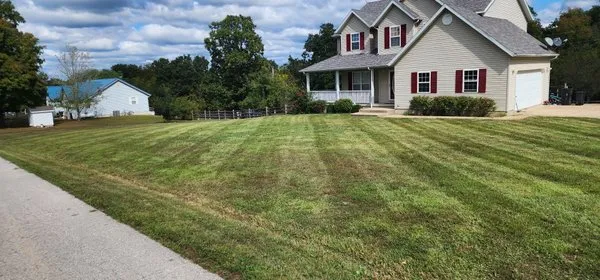
A Piece Of Paradise is your trusted local lawn care expert in Dixon, MO, dedicated to transforming outdoor spaces into beautiful, healthy landscapes. We specialize in comprehensive lawn care services ...
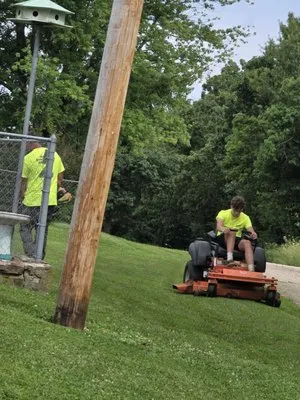
Kevin's Mowing in Dixon, MO, is a locally owned and operated lawn care service built on reliability, transparency, and quality. With over 20 years of experience working with the military, Kevin brings...
Absolute Lawn Service, LLC is a trusted residential and commercial lawn care provider serving Dixon, St. Robert, and all of Pulaski County. We specialize in full-service maintenance for lawns of any s...
Yard Maay Daay is a trusted local provider in Dixon, MO, offering a comprehensive range of lawn care and handyman services. We understand that Dixon homes often face common landscaping challenges like...
S&T Lawn Care is a trusted Dixon, MO lawn service provider dedicated to maintaining healthy, beautiful yards for local homeowners. We specialize in comprehensive lawn care solutions that directly addr...

Alcor Lawn & Landscaping
Alcor Lawn & Landscaping is your trusted Dixon, MO partner for year-round outdoor care, specializing in landscape design, lawn maintenance, and snow removal. We understand the unique challenges Dixon ...
Layne's Lawn Services is your trusted, locally-owned lawn care provider in Dixon, MO. We specialize in comprehensive lawn care that directly tackles the common local challenges of lawn fungus and pers...
Plumlee and Sons Lawn Care Service is a trusted, family-owned lawn care provider serving Dixon, MO, and the surrounding areas. We specialize in comprehensive lawn care solutions designed to address co...
4-J Lawn Care and Power Washing is a trusted Dixon, MO business specializing in pressure washing, lawn services, and gutter cleaning. We help local homeowners tackle common landscaping challenges like...
Frequently Asked Questions
Our yard holds water after heavy rain, creating muddy areas. What solutions work with our local soil conditions?
Your acidic silt loam and underlying clay compaction create moderate runoff. Solutions start with improving soil percolation through aeration and adding organic matter. For hardscape areas, using permeable crushed limestone for paths or patios allows water to infiltrate locally, reducing pooled water. These strategies help manage runoff on-site, which is increasingly important for meeting Pulaski County Planning & Zoning standards for stormwater management.
We want to regrade our backyard for better drainage. What permits or contractor qualifications should we look for?
Significant grading on a 0.25-acre lot often requires a permit from the Pulaski County Planning & Zoning office to ensure the work doesn't adversely affect stormwater systems or neighboring properties. It is crucial to hire a contractor licensed by the Missouri Division of Professional Registration. This licensing ensures they carry the proper insurance and have the technical knowledge to execute the work correctly, preventing future erosion or drainage issues that could become your liability.
Our lawn seems thin and drains poorly, especially compared to newer subdivisions. What's the underlying issue with older Dixon properties?
Properties in Downtown Dixon, built around 1971, have soils that are approximately 55 years old. Over decades, foot traffic and standard maintenance have compacted the native acidic silt loam, reducing its permeability and root zone health. This compaction, combined with a common clay subsoil layer, creates the poor drainage you observe. Core aeration and incorporating compost are critical to rebuild soil structure and improve water infiltration for healthier turf.
Is crushed limestone a good choice for a new patio, or should we use wood? We're concerned about longevity and fire safety.
Crushed limestone is an excellent, durable choice for our region. It compacts into a stable, permeable surface that outlasts wood, which is prone to rot. From a fire safety perspective, crushed stone is a non-combustible material that contributes positively to creating defensible space, an important consideration for Dixon's Moderate Wildland-Urban Interface rating. It requires minimal maintenance and integrates well with the local landscape aesthetic.
We're tired of weekly mowing and gas equipment noise. Are there lower-maintenance, quieter landscape options?
Absolutely. Transitioning areas to a xeriscape with native plants like Purple Coneflower, Little Bluestem, and Butterfly Milkweed drastically reduces mowing and watering needs. These plants are adapted to our Zone 6b climate and acidic soil. This shift also future-proofs your property against evolving noise ordinances targeting gas-powered blowers and mowers, aligning with a move toward quieter, electric maintenance fleets.
We want a green lawn but are conscious of water use. What's the most efficient way to irrigate our Tall Fescue?
The most efficient method is a Wi-Fi-enabled, ET-based smart irrigation controller. This technology schedules watering based on real-time evapotranspiration data—essentially replacing only the water the grass and atmosphere have used. It automatically adjusts for rain and heat, preserving your Tall Fescue while optimizing every gallon used. While Dixon currently has no water restrictions, this system ensures resilience and conservation during normal operations.
If a storm downs a large limb and we need an emergency cleanup to meet HOA rules, how quickly can a crew typically arrive?
For an urgent cleanup, a crew dispatched from our base near Dixon City Park can typically be on site within 20 to 30 minutes during peak response times. The primary route utilizes MO-28 for efficient access to most Downtown Dixon neighborhoods. We prioritize these calls to secure hazards and ensure compliance, operating within standard daytime noise ordinance hours from 7 AM to 9 PM.
We've spotted what looks like Japanese Knotweed. How should we handle invasive species without harming the environment?
Correct identification is the first step, as treatments vary. For many invasive species, targeted herbicide application by a licensed professional is often necessary, timed for when the plant is actively translocating nutrients to its roots. All treatments must follow Missouri BMP guidelines, which prohibit applications to frozen ground to prevent runoff. A long-term strategy includes removing the invader and replanting with competitive natives like Wild Bergamot to prevent reinfestation.
