Top Landscaping Services in Deer Creek, MO, 64720 | Compare & Call
There are 56 landscaping companies server in Deer Creek MO
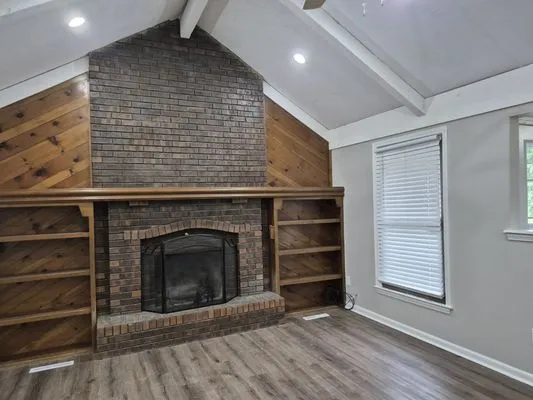
Founded in 2019 by owner-operator Derek, Midwest Property Services is a family-owned and operated business built on a legacy of craftsmanship and customer care in Butler, MO. Derek grew up in the cons...
Jaz Lawn Care provides reliable lawn services for Kansas City homeowners. We understand the local challenges, like tree root lawn damage and overgrown shrubs, which can ruin your yard's health and cur...
Lone Tree Lawn Care Services is a dedicated lawn care provider based in Harrisonville, MO, specializing in tailored solutions for local homeowners. We focus on understanding each client's unique situa...
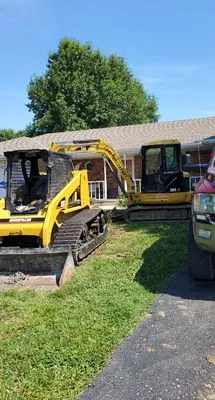
Carlton Dirt Work is a family-owned and operated business based in Holden, Missouri, dedicated to providing reliable and professional earthwork and construction services. We specialize in a comprehens...
Great Lawn Service
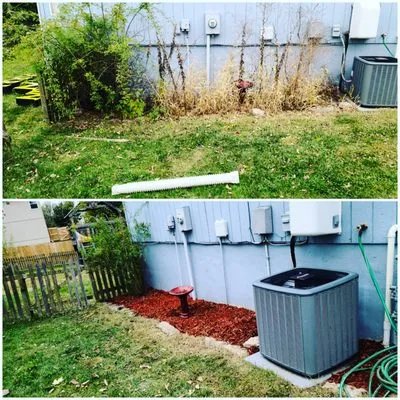
Great Lawn Service in Archie, MO, is a locally owned and operated business with deep roots in lawn care. Owner started mowing at age 7 in Texas heat, developing a lifelong passion for the work. After ...
Immovable Masonry
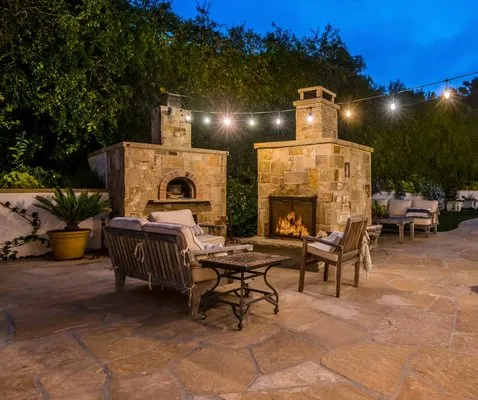
Immovable Masonry Kansas City is a locally-owned masonry and hardscaping contractor serving Kansas City, Missouri, and the surrounding Jackson, Clay, Platte, and Cass counties. Our team of experienced...
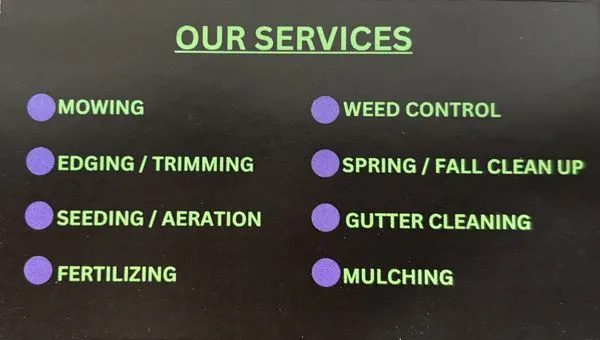
Level Change Lawn Care is a locally-owned lawn service provider in Clinton, MO, dedicated to solving common local landscaping issues. We specialize in comprehensive lawn care that directly addresses p...
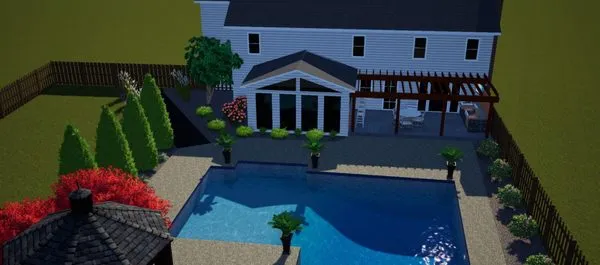
Nature's Carving is a locally-owned outdoor construction company in Warrensburg, MO, founded by a dedicated owner who balances running the business with family life on her farm. With 20 years of exper...
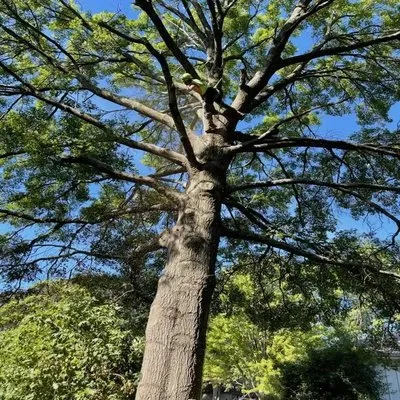
Branched Out is a family-owned outdoor services company rooted in Raymore, MO. Our story began with a friendly bet when the founder was 16, turning a three-day tree job into a passion that's now a lif...
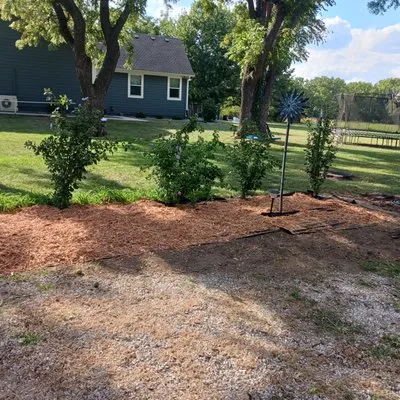
Celtic Pride Handyman Service is your trusted, local solution for comprehensive home and landscape projects in Harrisonville, MO. We expertly blend skilled handyman work with professional landscaping ...
Estimated Landscaping Service Costs in Deer Creek, MO
Question Answers
How do I manage invasive species without violating fertilizer rules?
Common invasive alerts include Japanese knotweed and wintercreeper, which outcompete native vegetation. Manual removal followed by targeted organic herbicides minimizes chemical use. Missouri's phosphorus prohibition requires soil testing before any fertilizer application. Timing treatments outside blackout dates ensures compliance while effectively controlling invasives. Regular monitoring prevents re-establishment without relying on restricted nutrients.
Why choose permeable concrete pavers over wood for patios?
Permeable concrete pavers offer 25+ year longevity versus wood's 10-15 year lifespan with maintenance. Their permeability reduces runoff by 80% compared to solid surfaces, crucial for low fire-wise rated suburban residential areas. Pavers maintain defensible space without combustible materials, enhancing safety. Installation requires proper base preparation to ensure stability in Deer Creek's clay soils while meeting drainage requirements.
How can I maintain Tall Fescue during Stage 1 water restrictions?
Wi-Fi ET-based weather sensing irrigation systems adjust watering schedules using real-time evapotranspiration data. This technology reduces water use by 20-30% compared to traditional timers while preserving turf health. Systems deliver 1-1.5 inches weekly during peak growth, aligning with municipal water limits. Deep, infrequent watering encourages deeper root systems that better withstand drought conditions common in USDA Zone 6b.
How quickly can you respond to storm damage for HOA compliance?
Emergency cleanup crews dispatch from the Deer Creek Park Civic Center, taking I-44 for efficient access. During peak conditions, arrival typically occurs within 20-30 minutes. Crews prioritize safety assessments before debris removal, using electric equipment to comply with standard decibel limits between 7:00 AM and 9:00 PM. This approach minimizes disruption while meeting HOA vegetation management requirements.
What alternatives reduce maintenance as gas equipment restrictions tighten?
Replacing high-maintenance turf with native plants like Purple Coneflower, Butterfly Milkweed, Little Bluestem, and Wild Bergamot creates resilient landscapes. These species require minimal watering once established and support local pollinators. Electric maintenance equipment operates quietly within noise ordinance limits while eliminating emissions. This approach future-proofs landscapes against evolving regulations while enhancing biodiversity.
What solutions address moderate runoff in my clay-heavy soil?
Silty clay loam soils in Deer Creek have low permeability, exacerbating runoff issues. Installing permeable concrete pavers creates infiltration zones that reduce surface water flow by 50-70%. These systems meet St. Louis County Planning & Development runoff standards while preventing erosion. For severe cases, French drains or dry creek beds redirect water away from foundations, complementing the pavers' drainage capacity.
What permits and licenses are needed for grading my 0.25-acre lot?
Grading projects exceeding 100 cubic yards of earth movement require permits from St. Louis County Planning & Development. Contractors must hold Missouri Department of Agriculture licensing for soil erosion control. On 0.25-acre lots, even minor grading can impact drainage patterns, necessitating professional oversight. Licensed professionals ensure compliance with local ordinances while preventing downstream erosion issues that could trigger violations.
Why does my Deer Creek Park lawn struggle despite regular care?
Deer Creek Park homes built around 1984 have soil that has matured for approximately 42 years. Silty clay loam soil in this neighborhood tends to compact over decades, reducing permeability and root penetration. Core aeration every 1-2 years is essential to break up compaction layers. Adding 1-2 inches of compost annually improves soil structure and microbial activity, addressing the pH range of 6.5-7.2 that can limit nutrient availability.
