Top Landscaping Services in Columbia, MO, 65201 | Compare & Call
There are 179 landscaping companies server in Columbia MO
Blue Grass Complete Lawn Care is your trusted local lawn care partner in Columbia, MO. We specialize in comprehensive lawn services to keep your property looking its best. A common challenge for homeo...

CRLC is a trusted, full-service tree and lawn care provider serving Columbia, MO, and the surrounding Boone County area. We understand the unique challenges local homeowners face, from standing water ...
Collins Turf Management is a trusted landscaping company serving Columbia, MO homeowners with practical solutions for common local yard challenges. We specialize in addressing issues like standing wat...
Unwanted Chores is your trusted local partner in Clark, MO, specializing in pressure washing and comprehensive lawn care services. We understand the unique challenges Clark homeowners face, such as da...
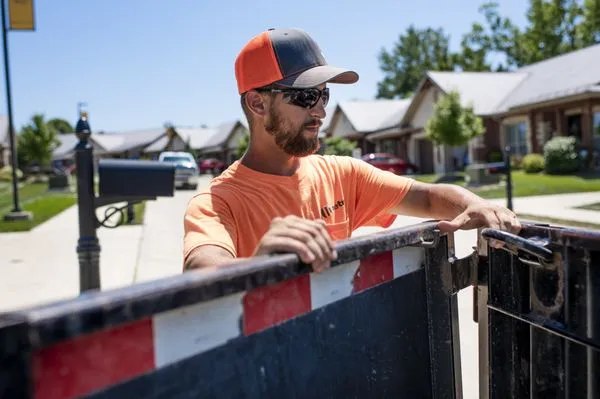
Metro Service Groups is a licensed improvement services contractor with over 25 years of experience serving Columbia, MO, and surrounding mid-Missouri communities. We specialize in comprehensive lands...

Fix It Fellers is a new Ashland, MO business founded by two brothers who combined their skills to offer comprehensive home services. They provide electrical, plumbing, and lawn care solutions, handlin...
Mac's Lawn Service has been a trusted name in Columbia, MO, for over a decade, providing reliable landscaping, tree care, and snow removal services to both residential and commercial clients. Speciali...
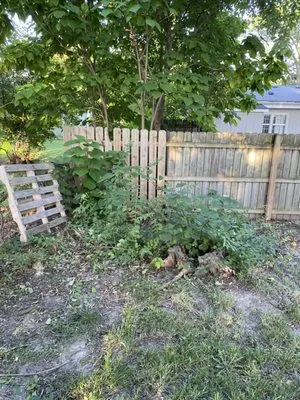
Emerald Edge is your local partner for a healthy, beautiful yard in Boonville. We understand that the local soil and climate create specific challenges, like persistent weeds in mulch beds and dead pa...
MJ's Professional Mowing is a trusted, local lawn care provider serving Columbia, MO. We understand the common challenges homeowners face here, from stubborn weed infestations that take over local gra...
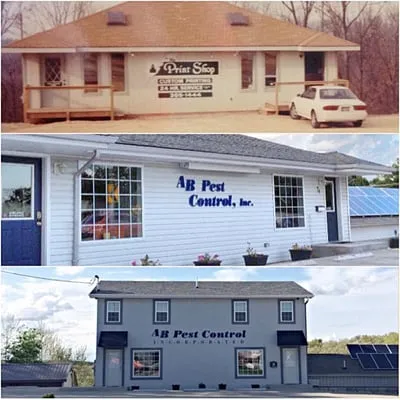
A B Pest Control & Insulation
Founded in 2000 by Bert and Lisa, A B Pest Control & Insulation has been a trusted local service provider at the Lake of the Ozarks for over two decades. What began with Bert's foundational experience...
Estimated Landscaping Service Costs in Columbia, MO
Q&A
What permits and licenses are required for grading my 0.22-acre Columbia property?
The Columbia Community Development Department requires grading permits for significant earth movement on 0.22-acre lots to prevent erosion and drainage issues. Contractors must hold Missouri Division of Professional Registration landscaping licenses for this work. Professional licensing ensures proper understanding of Columbia's silt loam soil characteristics and compliance with local ordinances. Unlicensed grading risks fines and may create long-term drainage problems affecting neighboring properties.
How quickly can you respond to storm damage for HOA compliance in Columbia?
Emergency cleanup crews dispatch from Stephens Lake Park via I-70, reaching most West Broadway locations within 20-30 minutes during peak hours. We prioritize downed branches, blocked driveways, and safety hazards to meet HOA deadlines. Our electric maintenance fleet operates within Columbia's noise ordinance hours of 9:00 PM to 7:00 AM, ensuring compliance while addressing urgent landscape issues efficiently.
What solutions prevent foundation damage from Columbia's shrink-swell clay soils?
High shrink-swell clay expansion requires graded swales or French drains to redirect water away from foundations. Permeable limestone pavers allow water infiltration while meeting Columbia Community Development Department's runoff standards. For severe cases, installing a dry creek bed with river rock provides both functional drainage and aesthetic appeal. These systems work with Columbia's silt loam soil characteristics to prevent structural damage.
Why does my West Broadway Historic District lawn have drainage issues despite regular care?
Columbia's silt loam soil, with its pH of 6.2-7.0, tends to compact over time, especially in neighborhoods like West Broadway where homes average 33 years old. This compaction reduces soil percolation, creating surface runoff during heavy rains. Core aeration every 1-2 years introduces oxygen and improves water infiltration. Adding 1-2 inches of composted organic matter annually enhances soil structure and microbial activity, addressing the underlying compaction issue.
What invasive species threaten Columbia landscapes, and how are they managed safely?
Japanese honeysuckle and wintercreeper pose significant threats in Columbia, outcompeting natives like Wild Bergamot and Ohio Spiderwort. Manual removal followed by targeted herbicide application during active growth periods controls these invasives. All treatments comply with Missouri's fertilizer ordinance restrictions near waterways, avoiding N-P-K applications during designated blackout dates. Regular monitoring prevents re-establishment while protecting soil health.
Why choose limestone pavers over wood for Columbia patios and walkways?
Permeable limestone pavers offer superior longevity to wood, resisting rot, insects, and weathering in Columbia's climate. Their natural permeability reduces runoff, complementing the city's low fire-wise rating requirements for urban settings. Unlike wood, limestone requires no chemical treatments or frequent replacement, maintaining structural integrity for decades. This material provides both functional drainage and aesthetic continuity with Missouri's geological character.
How do I maintain my Kentucky Bluegrass and Tall Fescue blend during Columbia's dry spells?
Smart Wi-Fi ET-based irrigation controllers calculate evapotranspiration rates using local weather data, applying water only when needed. This technology reduces water use by 20-30% compared to traditional timers while preserving turf health. During Columbia's voluntary conservation periods, these systems automatically adjust schedules to stay within municipal guidelines. Deep, infrequent watering encourages deeper root growth, making your lawn more drought-resilient.
Can I reduce maintenance while supporting local pollinators in my Columbia yard?
Replacing high-maintenance turf with Missouri natives like Purple Coneflower, Butterfly Milkweed, and Little Bluestem creates habitat while reducing water and chemical needs. These plants require minimal care once established and support 2026 biodiversity standards. Transitioning to electric equipment ahead of noise ordinance restrictions on gas blowers reduces both noise pollution and carbon emissions. This approach creates a resilient landscape adapted to Columbia's Zone 6b climate.
