Top Landscaping Services in Chesterfield, MO, 63005 | Compare & Call
There are 189 landscaping companies server in Chesterfield MO
Gruhala Landscape & Irrigation is a Fenton-based landscaping company dedicated to solving the common local problems of lawn insect damage and dead lawn areas. Serving homeowners throughout the communi...
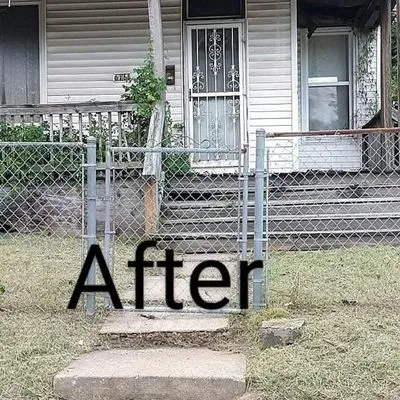
Stl Elite Services is a family-owned, veteran-operated business in St. Louis, MO, founded by an Army veteran who grew up helping his parents with lawn care and landscaping. After serving in Germany, h...
Natural Care Tree & Landscape is a trusted Fenton, MO-based company specializing in professional landscaping and tree services. We help local homeowners tackle common issues like overgrown shrubs and ...
Chris The Mole Man is a licensed mole removal service based in Ballwin, MO, serving St. Louis city and county. With over 20 years of experience, the company specializes in a unique soil treatment that...
Nunnery's Landscape and Tree Removal
Nunnery's Landscape and Tree Removal is a trusted, full-service outdoor company serving Fenton, MO, and the surrounding communities. We specialize in comprehensive tree services, professional landscap...
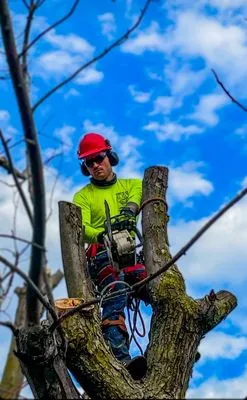
Turf Guys Lawn and Landscape is a trusted Manchester, MO provider specializing in comprehensive lawn, tree, and gutter services. We help local homeowners address common landscaping challenges like spr...
John Tennant & Associates is a trusted landscaping company serving Defiance, MO, and the surrounding areas. We specialize in diagnosing and solving common local lawn challenges, such as persistent mos...
McBride Lawn Services has been a trusted family-owned landscaping provider in Fenton, MO, since 1976. With decades of experience serving residential and commercial properties throughout the greater St...
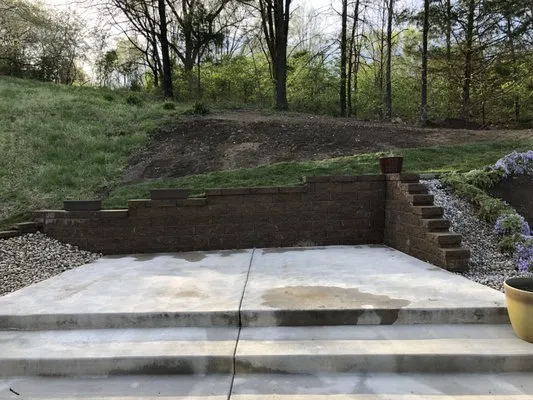
Hendel Lawncare is a family-owned landscaping and masonry business serving Manchester, MO, with over 35 years of local experience. We specialize in comprehensive outdoor solutions, including lawn care...
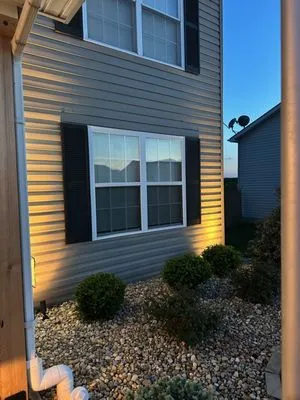
Wuelling Hardscapes is a Wright City, MO-based landscaping company specializing in comprehensive outdoor solutions for local homeowners. We address common area issues like lawn insect damage and sprin...
Estimated Landscaping Service Costs in Chesterfield, MO
Questions and Answers
We get seasonal ponding in our yard after heavy rain. What's the best long-term fix?
Ponding indicates poor percolation in Chesterfield's high-clay silt loam. The primary solution is regrading to create positive surface flow away from foundations. For hardscapes, specify permeable concrete pavers or open-joint limestone set on a gravel base. These systems increase infiltration and can help new projects meet the Chesterfield Planning & Public Works Department's stormwater runoff management standards.
How fast can you respond for an emergency storm cleanup to avoid HOA fines?
For an urgent HOA compliance issue, our dispatch from Chesterfield Central Park uses I-64/US-40 for direct valley access, targeting a 25-35 minute peak response. We prioritize safety and traffic-aware routing. Our electric-powered maintenance fleet operates within Chesterfield's noise ordinance hours (7:00 AM - 9:00 PM), allowing for compliant, immediate debris removal and limb clearing to mitigate violation risks.
What permits and contractor credentials are needed to regrade my backyard?
Significant regrading on a 0.35-acre lot typically requires a permit from the Chesterfield Planning & Public Works Department to ensure proper drainage and erosion control. The contractor must hold appropriate licensing through the St. Louis County Department of Planning. This ensures they are bonded, insured, and knowledgeable about local codes, including soil disturbance regulations and the county's fertilizer ordinance, protecting you from liability.
Why does my soil seem so compacted and thin compared to my neighbor's?
Your Chesterfield Valley lot, likely developed around 1982, has approximately 44 years of soil history. Original construction stripped the topsoil, leaving a subsoil base that has matured into a dense silt loam with high clay content. This common profile in the valley leads to low permeability and poor root penetration for turf. Annual core aeration and incorporating 1-2 inches of composted organic matter are critical to rebuild soil structure and support healthy Tall Fescue.
Should I use wood or stone for a new patio that will last and be safe?
For longevity and low maintenance in Chesterfield's climate, concrete pavers or limestone outperform wood. They resist rot, decay, and insect damage without annual sealing. While our area has a low Fire Wise rating, non-combustible materials like stone provide inherent defensible space. Their permeability, when installed correctly, also manages runoff more effectively than solid concrete pours.
Is my automatic sprinkler system wasting water, and how can I make it smarter?
Traditional timer-based systems are inefficient. In our Zone 6b climate, a Wi-Fi ET-based weather-sensing controller is essential. It automatically adjusts runtime by calculating daily evapotranspiration (ET) using local weather data. This technology delivers precise moisture to your Tall Fescue, conserving significant water even under Stage 0 restrictions, and prevents the overwatering that exacerbates clay soil ponding.
My lawn has strange, invasive weeds. How do I treat them without harming the environment?
Common invasive alerts for our area include Japanese Knotweed and Wintercreeper. Manual removal for small infestations is best. For chemical treatment, always use a Missouri-licensed applicator who follows the St. Louis County Stormwater Management Code, which prohibits phosphorus-containing fertilizers and has specific blackout dates for application to protect waterways. Correct identification is crucial before any action.
I'm tired of weekly mowing and gas blower noise. Are there lower-maintenance options?
Yes. Transitioning perimeter beds to a xeriscape with native plants like Purple Coneflower, Butterfly Milkweed, and Little Bluestem drastically reduces maintenance. These species require no mowing, minimal water once established, and support local pollinators. This approach future-proofs your landscape against evolving noise ordinances targeting gas-powered equipment and aligns with 2026 biodiversity and water conservation priorities.
