Top Landscaping Services in Chaffee, MO, 63740 | Compare & Call

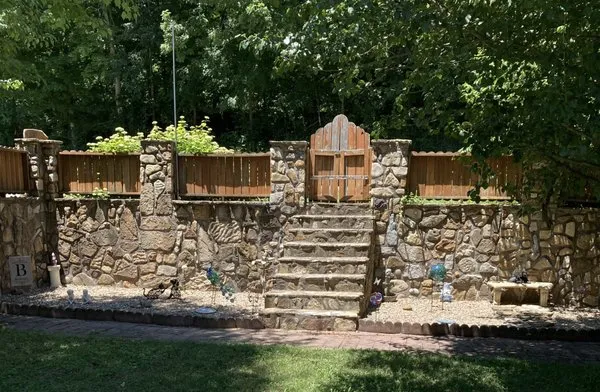
Honey-Do Krew is your trusted local handyman, landscaping, and electrical service in Chaffee, MO. We specialize in comprehensive home maintenance and improvement solutions, from appliance installation...

Fresh Cutz Lawncare is a dedicated lawn service provider serving Chaffee, MO, and surrounding areas. We specialize in comprehensive lawn care solutions tailored to address common local landscaping cha...
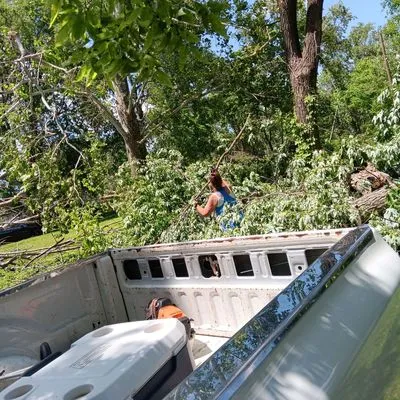
Keeper of the Greens is your trusted, locally-owned lawn and tree care provider in Chaffee, MO. We understand the common challenges homeowners face, like invasive weeds and lawn damage from tree roots...
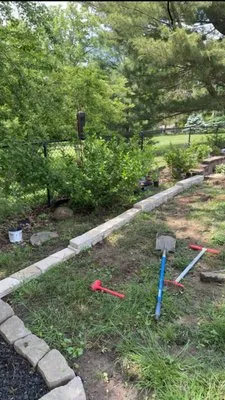
Colby Stratton Enterprises is your trusted, local lawn care provider serving Chaffee, MO, and the surrounding communities. We understand the specific challenges homeowners face here, from pesky mulch ...
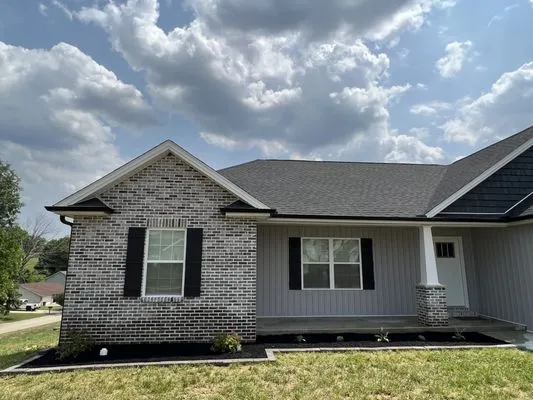
C&C Lawns is a family-owned lawn and landscaping company serving Chaffee, MO, with years of experience in maintaining and enhancing outdoor spaces. We specialize in comprehensive lawn care, snow remov...
Common Questions
Are concrete pavers better than wood for durability in Chaffee's climate?
Concrete pavers typically last 25-40 years in Chaffee's Zone 7a conditions, compared to 10-15 years for pressure-treated wood. Their non-combustible nature contributes to defensible space in low Fire Wise rating areas. Properly installed with polymeric sand joints, pavers resist frost heave and maintain permeability. Unlike wood, they don't require annual sealing or present termite risks. For slopes or areas with moderate runoff, pavers provide stable surfaces that meet municipal erosion control standards.
How do I keep my Tall Fescue healthy during Chaffee's dry periods without violating water conservation guidelines?
Smart Wi-Fi ET-based weather sensing irrigation systems calculate evapotranspiration rates to deliver precise water amounts. These systems adjust daily based on temperature, humidity, wind, and solar radiation data. For Tall Fescue in USDA Zone 7a, this typically means 1-1.5 inches weekly during peak season. The technology prevents overwatering while maintaining turf health, staying well within Chaffee's voluntary conservation parameters. This approach reduces water use 20-30% compared to traditional timer-based systems.
How should I handle invasive species without using restricted chemicals?
Missouri's BMP guidelines for fertilizer and pesticide application prioritize mechanical and cultural controls first. For invasive plants like Japanese knotweed or Bradford pear seedlings, manual removal during dormancy prevents chemical runoff. Solarization with clear plastic during summer months eliminates many annual weeds without herbicides. When treatments are necessary, selective spot applications using EPA-registered products avoid broad-spectrum impacts. Always check Missouri Department of Agriculture guidelines for application timing near waterways or sensitive areas.
How quickly can you respond to an emergency tree cleanup after a storm in Downtown Chaffee?
Our standard response time is 20-30 minutes for emergency cleanup in Downtown Chaffee. We dispatch from Frisco Park via MO-77, which provides direct access to most neighborhood streets. This routing allows us to address immediate hazards like downed limbs blocking driveways or threatening structures. For HOA compliance issues requiring same-day attention, we maintain electric equipment to operate within the 10 PM to 7 AM quiet hours ordinance.
What's the best solution for seasonal water pooling in my silt loam yard?
Silt loam's moderate permeability combined with Chaffee's seasonal high water table creates runoff challenges. Installing permeable concrete pavers with ⅜-inch joints filled with angular gravel creates infiltration zones. These systems typically handle 5-8 inches of rainfall per hour, exceeding municipal runoff standards. For severe cases, French drains with clean gravel and landscape fabric redirect subsurface water. The Chaffee City Hall Planning Department requires drainage plans for projects affecting more than 500 square feet of impervious surface.
What are my options for reducing lawn maintenance while supporting local ecology?
Replacing high-maintenance turf with native plant communities significantly reduces water and maintenance needs. Purple Coneflower, Butterfly Milkweed, Little Bluestem, and Indian Grass thrive in Chaffee's Zone 7a conditions without irrigation after establishment. These deep-rooted perennials improve soil structure and support pollinator populations year-round. The transition reduces mowing frequency and minimizes gas-powered equipment use, aligning with evolving noise ordinance trends. Native plantings typically require 75% less water than traditional turfgrass.
What permits and licenses are required for regrading my 0.22-acre lot?
Grading that moves more than 50 cubic yards of soil requires a permit from Chaffee City Hall Planning Department. The Missouri Department of Agriculture licenses landscape contractors performing earthwork exceeding $5,000 in value. On 0.22-acre lots, even modest regrading often triggers these thresholds due to limited space for soil storage. Licensed professionals carry insurance covering potential drainage impacts on adjacent properties. Always verify contractor credentials through both entities before beginning significant earth movement projects.
Why does my Downtown Chaffee yard have such compacted soil that needs annual aeration?
Most Downtown Chaffee homes were built around 1968, giving the soil nearly 60 years of maturation. Silt loam soil with pH 6.2-6.8 naturally compacts under foot traffic and equipment weight, reducing permeability. Core aeration every 2-3 years introduces oxygen channels and improves water infiltration. Adding 1-2 inches of composted organic matter annually builds soil structure and supports microbial activity. This approach addresses the moderate runoff issues common in these older neighborhoods.
