Top Landscaping Services in Carthage, MO, 64836 | Compare & Call
There are 139 landscaping companies server in Carthage MO
Precision Landscaping & Irrigation is a Joplin-based company dedicated to creating and maintaining healthy, beautiful outdoor spaces. We understand the common local frustrations of patchy, struggling ...
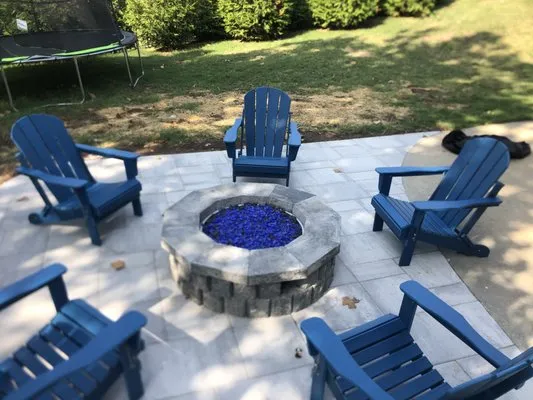
Scott's Landscape and Excavation
Scott's Landscape and Excavation is a Carthage-based company providing comprehensive outdoor solutions for residential and commercial properties. We specialize in landscaping, tree services, and excav...
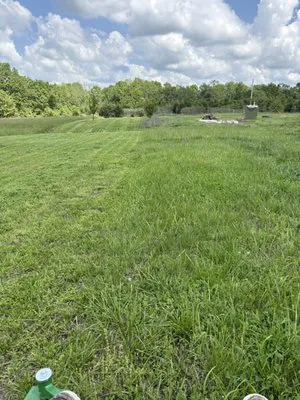
Rugged Lawn & Service is a locally owned and operated lawn care business in Seneca, MO, dedicated to providing reliable, high-quality service with a personal touch. As a local homeowner myself, I unde...
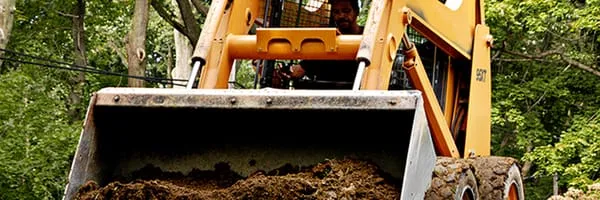
Tilton Land Clearing is a Carthage, MO-based landscaping and demolition service specializing in transforming properties through expert land management. Serving the Carthage community, we address commo...
Serving Joplin, MO, Dagley Landscaping is your local partner for a healthier, more vibrant yard. We understand the common local frustrations of bare lawn patches and dead grass areas that can make you...
Rick Baker's Reliable Lawn Service is a trusted, locally-owned lawn care provider serving Joplin, MO, and the surrounding areas. With years of experience, we specialize in comprehensive lawn maintenan...
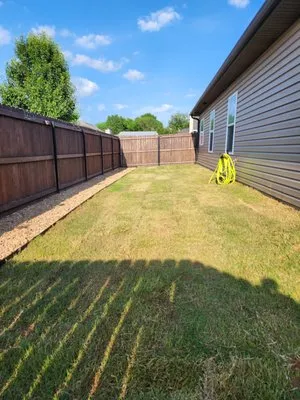
F&S Landscaping & Home Repairs is a trusted, locally-owned company serving Joplin, MO, with comprehensive lawn and tree care solutions. We specialize in lawn maintenance, tree pruning, removal, and di...
General Tree & Lawn Care is your trusted Joplin partner for creating and maintaining a healthy, beautiful landscape. We understand the specific challenges local homeowners face, such as poor lawn grad...

Coureton Renovation & Solutions
Coureton Renovation & Solutions is a fully licensed and bonded company serving Neosho, MO, dedicated to solving home improvement challenges with professional, timely, and cost-efficient service. We sp...
Git'R'Done Lawncare is a Joplin-based, full-service outdoor care company specializing in firewood, lawn care, and tree services. We understand the unique challenges Joplin homeowners face, including c...
Estimated Landscaping Service Costs in Carthage, MO
Question Answers
What solutions address seasonal clay saturation in my yard?
Silt loam soils in Carthage experience moderate runoff due to seasonal clay layers that reduce permeability. Installing French drains with proper slope directs water away from foundations while permeable Carthage Limestone patios increase surface infiltration. These approaches meet Carthage Building & Zoning Department runoff standards by managing water on-site. Combining subsurface drainage with rain gardens planted in native species creates a complete system that handles saturation events while improving soil structure over time.
Can I maintain Tall Fescue without violating water conservation guidelines?
Wi-Fi ET-based weather sensing irrigation systems precisely match watering to actual evapotranspiration rates, typically reducing water use 20-30% compared to traditional schedules. These systems automatically adjust for rainfall, humidity, and temperature while staying within Carthage's voluntary conservation framework. Programming deep, infrequent watering cycles encourages deeper root growth in Tall Fescue, improving drought tolerance. Regular system audits ensure uniform distribution and prevent runoff, maximizing efficiency without compromising turf health.
What permits and licenses are needed for grading my 0.22-acre lot?
Significant grading on 0.22-acre parcels requires permits from the Carthage Building & Zoning Department, particularly when altering drainage patterns or moving more than 50 cubic yards of material. Contractors must hold appropriate licensing through the Missouri Department of Agriculture, which verifies competency in erosion control and soil management. These regulations ensure proper water handling and prevent downstream impacts. Professional oversight guarantees work meets municipal standards while protecting your property's long-term stability and value.
Is Carthage Limestone or wood better for long-term landscape structures?
Carthage Limestone offers superior longevity with minimal maintenance compared to wood, resisting moisture damage and insect activity inherent to Missouri's climate. Its natural thermal mass moderates temperature fluctuations in adjacent planting beds. For properties requiring defensible space, limestone provides non-combustible material that meets low Fire Wise rating standards while creating permanent structure. Properly installed with adequate base preparation, limestone features maintain integrity for decades without the replacement cycles of wood products.
Why does my Historic District lawn struggle despite regular care?
Carthage's Historic District lots average 55 years of soil development since typical 1971 construction, creating compacted silt loam layers that limit root penetration. This soil type naturally settles to pH 6.5-7.0 but becomes dense over decades, reducing oxygen and water infiltration. Core aeration every 2-3 years combined with organic compost amendments addresses compaction while maintaining pH balance. The mature soil profile requires specific interventions rather than standard fertilization to support healthy turf and planting beds.
What invasive species threaten Carthage landscapes and how should I respond?
Japanese knotweed and wintercreeper present significant establishment risks in Zone 7a, exploiting disturbed soils and outcompeting natives. Manual removal combined with targeted herbicide applications during active growth phases proves most effective, following standard BMP guidelines for fertilizer and chemical use. Treatment timing avoids local ordinance blackout dates while preventing seed set. Monitoring for regrowth over 2-3 seasons ensures complete eradication without harming established plantings or soil microbiology.
How quickly can you respond to storm damage for HOA compliance?
Emergency cleanup crews dispatch from Carthage Courthouse Square using I-44 for optimal routing, arriving within 20-30 minutes during peak response windows. This timeframe accounts for debris clearance, temporary stabilization, and initial safety assessment. The route prioritizes arterial roads to bypass typical neighborhood congestion while maintaining compliance with standard noise ordinances during quiet hours. Response protocols include immediate documentation for insurance purposes and coordination with local utilities when necessary.
How can I reduce maintenance while supporting local ecology?
Replacing high-maintenance turf areas with Purple Coneflower, Little Bluestem, Butterfly Milkweed, and Rough Dropseed creates resilient landscapes requiring minimal inputs. These native species support pollinators while adapting to local precipitation patterns, reducing irrigation needs. Transitioning to electric maintenance equipment aligns with evolving noise ordinance considerations regarding gas-powered blowers. This approach builds soil organic matter, sequesters carbon, and creates habitat corridors that exceed 2026 biodiversity benchmarks for residential properties.
