Top Landscaping Services in Byrnes Mill, MO, 63025 | Compare & Call
There are 182 landscaping companies server in Byrnes Mill MO
Missouri Brush Control, based in Eureka, MO, specializes in environmentally sustainable forestry mulching for selective land clearing across eastern Missouri. Utilizing specialized equipment from bran...

St. Louis Tree Pros is a locally owned and operated tree care and landscaping service based in Valley Park, MO, serving the greater St. Louis region since 2015. Our team includes ISA Certified Arboris...
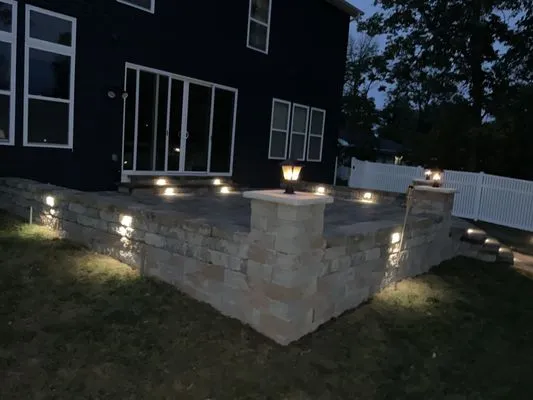
Ibarras Landscaping is a Florissant-based landscaping company dedicated to transforming outdoor spaces into functional and beautiful living areas. We specialize in comprehensive services including ear...
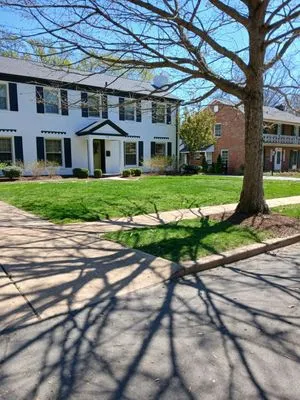
Prestige Turf is your locally-owned lawn care provider in Florissant, MO. With a decade of hands-on experience learned in the Saint Charles and Saint Louis County areas, owner and operator is ready to...
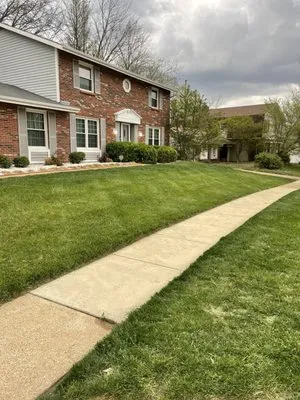
Since 1987, Shearn Landscaping has been the trusted, family-owned choice for lawn and property care in Chesterfield, MO, and throughout St. Louis West County. Our approach is built on listening first,...
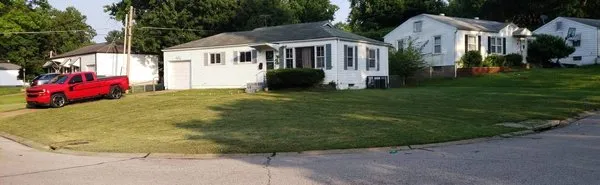
DSK Lawn Care is your trusted, local lawn and tree service provider in Hazelwood, MO. We specialize in comprehensive lawn care, tree pruning, trimming, and removal to enhance your property's health an...
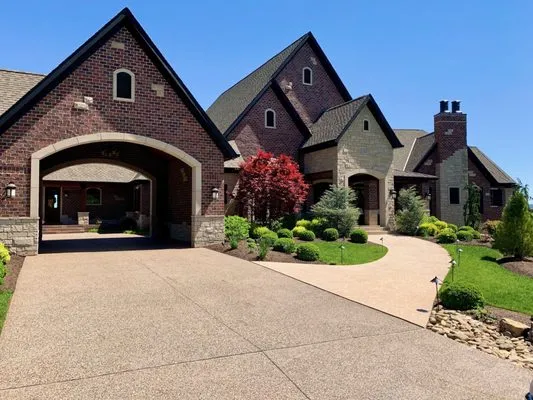
For over 40 years, Action Landscaping Inc. has been a trusted, family-owned and operated business rooted in Imperial, MO. It all started in 1981 from a home office and barn, with just two mowers and a...
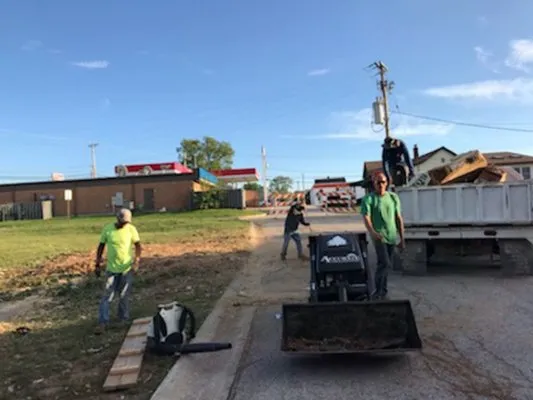
Accurate Tree and Landscaping is a family-owned business serving Ferguson and the greater St. Louis area with 28 years of dedicated experience. With roots in the community and additional locations in ...

Green Guys
Green Guys began over two decades ago as a local lawn mowing service in the Catawissa and greater St. Louis area and has grown into a respected design-build firm. Our journey is rooted in a simple pri...

Serving the Valley Park community since 1992, St. Louis Composting is a locally-owned resource dedicated to turning yard and organic waste into high-quality soil products. As the region's largest comp...
Estimated Landscaping Service Costs in Byrnes Mill, MO
Common Questions
What permits and licenses are needed for grading my 0.55-acre lot?
Grading work on 0.55-acre lots requires Jefferson County Planning and Zoning permits for soil disturbance exceeding certain thresholds. Contractors must hold appropriate Missouri Department of Agriculture licensing for earthmoving and erosion control. Professional licensing ensures compliance with state guidelines protecting the Meramec River watershed from sediment runoff. Larger projects may need engineered drainage plans, particularly when modifying natural contours or installing retaining structures.
Why does my Byrnes Mill Estates lawn have drainage issues and thin grass?
Homes built around 1995 in Byrnes Mill Estates have acidic silt loam soil that has matured for approximately 31 years. This soil type tends to compact over time, reducing permeability and creating moderate runoff issues. Core aeration with organic amendments like composted leaf mold improves soil structure and water infiltration. The acidic pH of 6.2 favors certain weeds over turfgrass, requiring targeted soil balancing. Regular soil testing every 2-3 years helps maintain optimal conditions for Tall Fescue establishment.
What solutions work for clay-heavy subsoil runoff problems?
Clay-heavy subsoil beneath acidic silt loam creates moderate runoff that requires graded swales or French drains. Permeable crushed limestone hardscape allows water infiltration while meeting Jefferson County Planning and Zoning runoff standards. Installing rain gardens with native plants like Purple Coneflower and Little Bluestem further manages stormwater. Soil percolation tests determine whether subsurface drainage systems are necessary for your specific lot configuration.
How do I control invasive species without harming the watershed?
Japanese knotweed and wintercreeper pose significant threats in USDA Zone 7a and require careful management. Manual removal followed by targeted herbicide applications avoids violating Missouri Department of Agriculture fertilizer ordinances. Treatment timing considers blackout dates to protect the Meramec River watershed from runoff contamination. Mycorrhizae inoculants help restore soil biology after invasive species removal, supporting native plant reestablishment.
Is crushed limestone better than wood for pathways and patios?
Crushed limestone offers superior longevity and permeability compared to wood, which decomposes in acidic soils. This material creates defensible space important for Moderate Fire Wise ratings in wildland-urban interface areas. Properly compacted limestone pathways require minimal maintenance and don't attract termites or rot. For sloped areas, limestone's natural drainage properties help manage runoff without additional infrastructure.
How quickly can you respond to storm damage for HOA compliance?
Emergency cleanup crews dispatch from Byrnes Mill City Hall via MO-30, arriving within 45-60 minutes during peak conditions. This route optimizes access to Byrnes Mill Estates while accounting for traffic patterns. Our electric maintenance fleet operates quietly under standard noise nuisance ordinances, allowing early morning or evening work if needed. We prioritize safety assessments before debris removal, particularly for downed limbs near structures or utilities.
Should I replace high-maintenance turf with native plants?
Transitioning to native plantings like Butterfly Milkweed and Aromatic Aster reduces mowing frequency and gas-powered equipment use. This approach aligns with evolving noise ordinances and supports 2026 biodiversity standards for the Wildland-Urban Interface. Native plants require minimal irrigation once established and provide habitat for pollinators. Strategic turf retention in functional areas maintains usability while reducing overall maintenance demands.
How do I maintain my lawn during voluntary water conservation?
Smart Wi-Fi ET-based controllers adjust irrigation schedules using real-time evapotranspiration data from local weather stations. These systems reduce water use by 20-30% compared to traditional timers while preserving Tall Fescue health. Programming follows municipal guidelines for the Meramec River watershed, avoiding runoff during peak evaporation hours. Deep, infrequent watering encourages deeper root growth, making turf more drought-resistant during dry spells.
