Top Landscaping Services in Buffalo, MO, 65622 | Compare & Call
There are 99 landscaping companies server in Buffalo MO
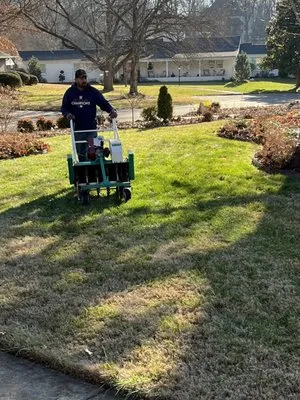
All-States Property Maintenance is a trusted, family-run operation serving Springfield, MO, with over 18 years of combined industry experience. Founded by a dedicated husband-and-wife team, this busin...
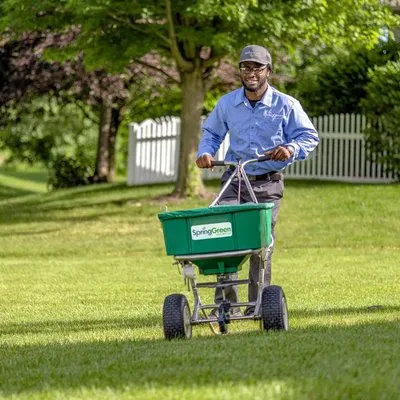
SpringGreen has been a trusted provider of comprehensive lawn, pest, and tree services in Springfield for over 45 years. We understand the unique challenges of maintaining a healthy landscape in our l...
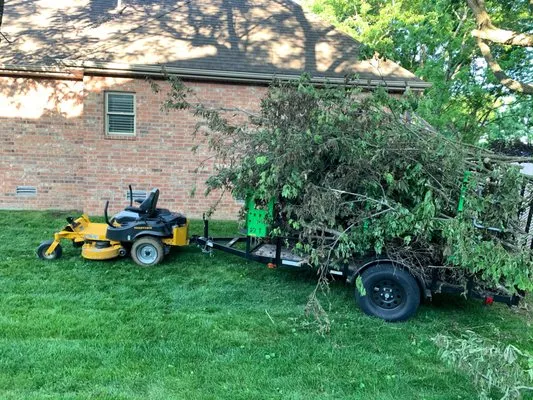
WB Lawn Care Services understands that your Springfield, MO home is more than just a property; it's a significant investment and a source of pride. We believe your yard is a direct reflection of that ...
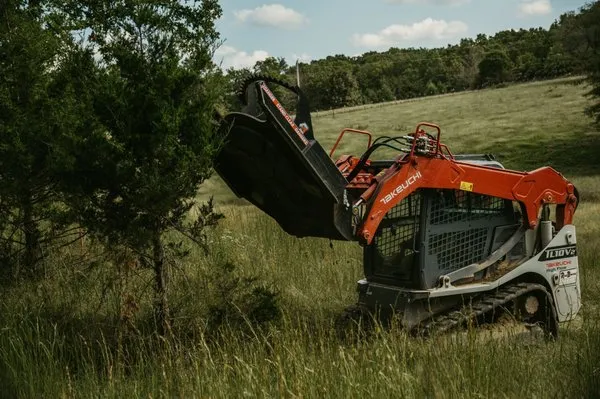
Level Up Land and Habitat Solutions
Level Up Land and Habitat Solutions is a Lebanon, MO, family-owned business built on decades of practical experience. After a 29-year career in manufacturing management, the owner returned to Missouri...
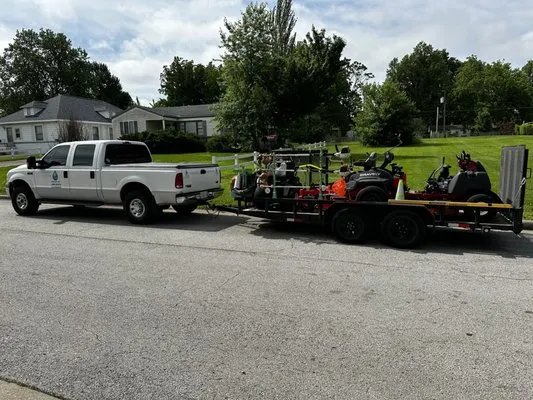
The Cut 417 is a Springfield lawn care provider dedicated to helping local homeowners reclaim their weekends. We understand the unique challenges of maintaining a healthy lawn in the Ozarks, from addr...
East Outdoor Services is your trusted local expert in Ava, MO, tackling both routine maintenance and complex outdoor projects. We specialize in a unique combination of lawn care, handyman services, an...

Custom Edge Lawn Care and Snow Removal
Custom Edge Lawn Care and Snow Removal is a locally owned and operated business, built on over 15 years of living and working in the Ozarks. Based in Bolivar and proudly serving Springfield, we bring ...
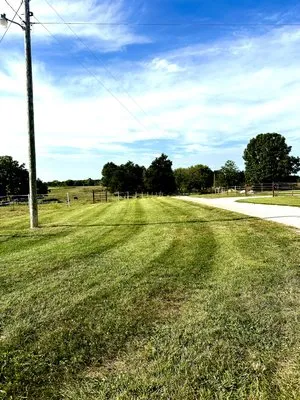
HHH Lawn Service is a trusted, locally-owned lawn care provider serving Springfield, MO, and the surrounding communities. We specialize in comprehensive lawn maintenance designed to tackle the specifi...

The Cut is your trusted, locally-owned lawn care provider in Ozark, MO. We specialize in addressing the common landscaping challenges homeowners in our area face, such as persistent lawn fungus and da...
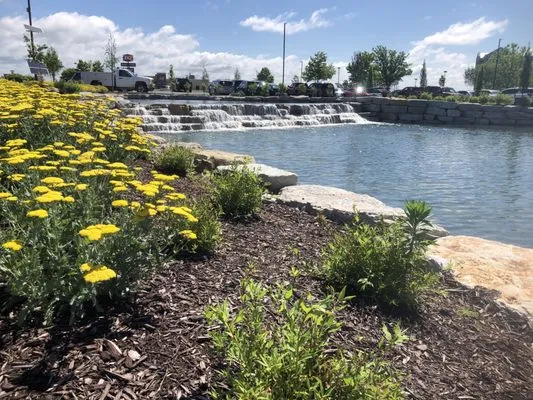
A1 Walls and Landscaping is a trusted landscaping company serving Ozark, MO, and the surrounding Springfield and Branson areas. We specialize in comprehensive landscape design, hardscaping, and mainte...
Estimated Landscaping Service Costs in Buffalo, MO
Q&A
What invasive species threaten Buffalo landscapes and how should they be treated?
Japanese knotweed and wintercreeper euonymus present significant invasive risks in Buffalo's USDA Zone 6b, outcompeting native vegetation and degrading soil health. Targeted herbicide applications during active growth periods avoid Missouri's state-standard fertilizer ordinance blackout dates. Mechanical removal followed by solarization using clear plastic sheeting effectively suppresses regrowth without chemical dependency. Immediate replanting with native species prevents reinfestation while restoring ecological function to disturbed areas.
What solutions address moderate runoff problems in Buffalo's clay-heavy soils?
Clay subsoil compaction beneath acidic silt loam creates poor percolation rates, leading to surface runoff during heavy rains. Installing French drains with gravel-filled trenches redirects water away from foundations while permeable Ozark limestone pathways allow groundwater recharge. The Dallas County Planning & Zoning Department requires drainage plans that demonstrate reduced impervious surface coverage. Grading adjustments that create gentle swales help direct water toward rain gardens planted with native species that tolerate periodic saturation.
Why does my Buffalo City Center lawn struggle with compaction and poor drainage?
Buffalo City Center properties built around 1973 have acidic silt loam soils that have matured for over 50 years. This extended timeframe allows clay subsoil layers to become densely compacted, reducing permeability and creating moderate runoff issues. Core aeration with organic amendments like composted leaf mold addresses this by improving soil structure and increasing oxygen availability to root zones. Regular soil testing every 2-3 years helps maintain optimal pH levels between 5.5 and 6.5 for healthy turf establishment.
What permits and licenses are required for grading work on quarter-acre lots?
The Dallas County Planning & Zoning Department requires grading permits for any excavation exceeding 12 inches in depth or affecting more than 100 square feet. Contractors must hold Missouri Department of Agriculture licensing for landscape installation, which includes specific training on erosion control and soil stabilization. On 0.25-acre lots, even minor grading can significantly impact drainage patterns for neighboring properties, necessitating professional oversight. Licensed professionals carry insurance covering potential subsurface utility damage during excavation work.
How quickly can you respond to emergency storm damage for HOA compliance?
Emergency cleanup crews dispatch from the Dallas County Courthouse area via US-65, reaching Buffalo City Center properties within 20-30 minutes during peak response scenarios. This routing prioritizes arterial road access while accounting for typical traffic patterns. Crews carry electric chainsaws and battery-powered blowers to comply with general nuisance noise ordinances during quiet hours. Immediate documentation of storm damage helps streamline insurance claims and HOA compliance reporting.
How can I reduce maintenance while preparing for electric equipment mandates?
Replacing high-maintenance turf areas with native plantings like purple coneflower, little bluestem, butterfly milkweed, and aromatic aster creates resilient landscapes requiring minimal intervention. These deep-rooted natives improve soil structure while providing year-round habitat for pollinators. Transitioning to electric maintenance equipment now anticipates future noise ordinance enforcement while reducing carbon emissions. Xeriscaping principles adapted for USDA Zone 6b conditions significantly decrease water, fertilizer, and mowing requirements over traditional lawns.
How do smart irrigation systems conserve water while maintaining tall fescue turf?
Wi-Fi ET-based weather sensing irrigation calculates evapotranspiration rates using local weather data, applying water only when tall fescue actually needs it. This technology typically reduces water usage by 20-30% compared to traditional timer-based systems while maintaining turf health. During Stage 0 water restrictions, these systems automatically adjust schedules to prevent overwatering. Soil moisture sensors provide additional precision by measuring actual root zone conditions rather than relying solely on weather predictions.
Why choose Ozark limestone over wood for durable landscape features?
Ozark limestone offers superior longevity with minimal maintenance compared to wood structures that require regular sealing and eventual replacement. This native stone provides excellent permeability for stormwater management while complementing Buffalo's natural geology. In Moderate WUI Zone 2 fire-risk areas, non-combustible hardscape materials like limestone create defensible space around structures. Properly installed limestone features withstand freeze-thaw cycles common in USDA Zone 6b without the cracking or warping that affects concrete alternatives.
