Top Landscaping Services in Bridgeton, MO, 63044 | Compare & Call
There are 197 landscaping companies server in Bridgeton MO
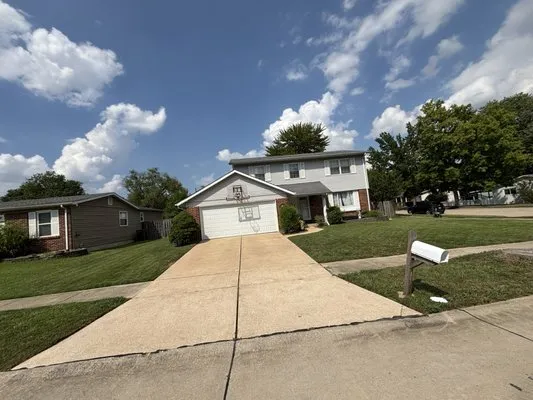
Njai Home Solutions is a Maryland Heights-based home services company dedicated to helping local homeowners maintain and enhance their properties. We specialize in pressure washing, gutter cleaning, l...
Armstrong Landscape Maintenance is a trusted, locally-owned landscaping company serving Bridgeton, MO, and the surrounding communities. We understand the specific challenges homeowners in our area fac...
J & M Lawn Care is your dedicated local lawn service provider in Bridgeton, MO. We specialize in diagnosing and treating the common lawn issues specific to our area, such as unsightly dead patches and...
PRO Landscape & Retaining Walls is a Bridgeton-based landscaping company dedicated to transforming outdoor spaces with expert solutions. We specialize in addressing common local issues like bare lawn ...
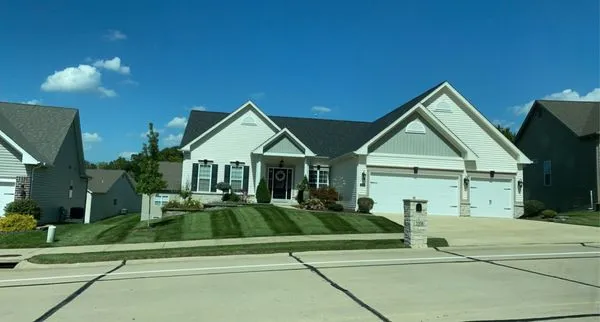
Superb Maintenance is a locally owned and operated landscaping company serving Saint Charles, MO, and the surrounding St. Charles County area since 2014. As a licensed and insured provider, we special...
KPM Landscape is a St. Charles-based landscaping firm with over 30 years of experience dedicated to transforming local outdoor spaces. We specialize in creating personalized, functional landscapes for...
Mosquito Hero in Bridgeton, MO, is a local, family-owned pest control and lawn care service dedicated to helping homeowners enjoy their outdoor spaces. We understand the common frustrations in our are...
Estimated Landscaping Service Costs in Bridgeton, MO
FAQs
Why choose concrete pavers over wood for durable outdoor living spaces in Bridgeton?
Concrete pavers and limestone veneer offer superior longevity compared to wood, with 25+ year lifespans versus wood's 10-15 year replacement cycle. These materials maintain structural integrity through Missouri's freeze-thaw cycles without warping or rotting. Their non-combustible nature supports Bridgeton's low fire-wise rating requirements for defensible space around structures. Properly installed with polymeric sand joints, these hardscapes resist weed intrusion while providing stable surfaces for furniture and foot traffic.
Why does my Bridgeton Highlands yard have such compacted soil that needs annual aeration?
Bridgeton Highlands homes built around 1975 have 51-year-old landscapes with mature silt loam soil that has become heavily compacted over decades. This soil type naturally develops poor permeability when subjected to routine foot traffic and maintenance equipment. Core aeration every 1-2 years introduces organic amendments to improve water infiltration and oxygen exchange in the root zone. Without this intervention, turfgrass and ornamental plantings experience reduced vigor and increased susceptibility to drought stress.
What permits and licenses are required for grading work on my quarter-acre Bridgeton property?
Grading projects altering more than 100 square feet of land require Bridgeton Planning & Zoning Department approval to ensure proper drainage patterns and erosion control. Contractors must hold St. Louis County Department of Public Health landscaping licenses with specific endorsements for earthmoving equipment operation. On quarter-acre lots, even minor grade changes can significantly impact neighboring properties' water management. Licensed professionals carry insurance covering subsurface utility damage and soil stabilization failures.
How quickly can you respond to an emergency tree cleanup after a storm in Bridgeton?
Our electric maintenance fleet can dispatch from the Bridgeton Municipal Athletic Complex within 20-30 minutes during peak storm response. We route via I-270 to minimize travel time while complying with the 7:00 AM to 9:00 PM noise ordinance restrictions. This rapid response capability ensures HOA compliance deadlines are met without disrupting neighborhood quiet hours. Our equipment operates within decibel limits while maintaining professional-grade performance standards.
What solutions address the moderate runoff problems common in Bridgeton's clay-heavy subsoil?
Clay-heavy subsoil beneath silt loam creates impermeable layers that exacerbate runoff during heavy precipitation events. Installing permeable concrete pavers with gravel infiltration beds allows water to percolate into the soil profile rather than flowing into storm drains. This approach meets Bridgeton Planning & Zoning Department runoff standards while reducing erosion on sloped properties. French drains connected to dry wells provide additional subsurface drainage capacity for chronically wet areas.
How do I control invasive species like Japanese Knotweed without violating fertilizer restrictions?
Japanese Knotweed and other invasive species require targeted treatment during specific growth phases to prevent spread. Spot applications of EPA-approved herbicides in early fall, when plants transport nutrients to roots, provide effective control without broadcast spraying. These treatments avoid St. Louis County Nutrient Management Guidelines blackout dates that restrict phosphorus applications. Mechanical removal followed by native plant establishment creates competitive ecosystems that resist reinfestation.
What native plant alternatives reduce maintenance while supporting local biodiversity?
Replacing high-maintenance turf areas with Purple Coneflower, Butterfly Milkweed, Little Bluestem, and Wild Bergamot creates resilient landscapes requiring minimal intervention. These Missouri natives have evolved to thrive in Zone 7a conditions without supplemental irrigation once established. Their deep root systems improve soil structure and support pollinator populations throughout the growing season. This transition reduces gas-powered equipment usage ahead of anticipated noise ordinance expansions targeting leaf blowers and mowers.
How do I maintain healthy Tall Fescue turf while following Bridgeton's water conservation standards?
Wi-Fi ET-based weather sensing irrigation systems automatically adjust watering schedules according to real-time evapotranspiration data. This technology reduces water usage by 20-40% compared to traditional timer-based systems while preserving turfgrass health. The system accounts for rainfall, temperature, humidity, and solar radiation to deliver precise moisture levels. This approach maintains Tall Fescue's deep root system without exceeding municipal water allocation limits during drought conditions.
