Top Landscaping Services in Breckenridge Hills, MO, 63074 | Compare & Call
There are 189 landscaping companies server in Breckenridge Hills MO
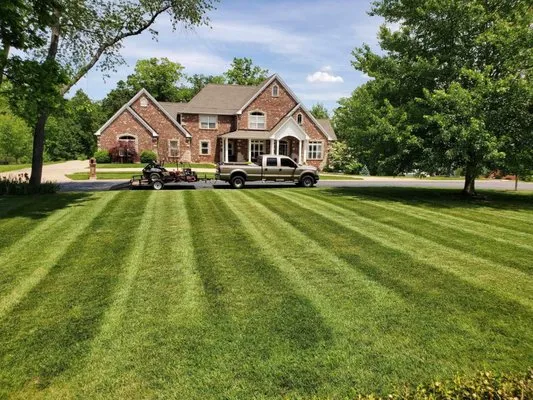
Lawn Crew Services is a family-owned and operated lawn care business serving Fenton, MO since 2017. Founded by Matthew and his wife after the birth of their daughter, the company combines Matthew's li...

GLL Hardscape
GLL Hardscape is a trusted St Charles, MO contractor specializing in durable hardscape and masonry work. Founded in 2009, they provide comprehensive outdoor solutions for St. Charles County, from cust...

Dunn's Lawn Service is a locally family-owned lawn care and tree service business serving Florissant, MO, and surrounding communities since 2004. Founded with a commitment to treating every lawn as if...

Green Goat Outdoor Services is a locally owned and operated company in Fenton, MO, founded by six dedicated owners who share a hands-on approach to every project. We bring years of combined experience...
C&G Landscaping is a dedicated, locally-owned landscaping company serving University City and the greater Saint Louis area. As a team of hard-working professionals, we bring a fresh, committed approac...
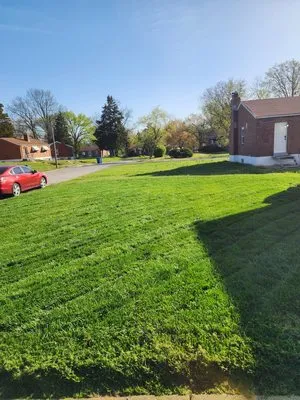
Yard Masters Lawn Care is a trusted local lawn service provider in Florissant, MO, specializing in comprehensive lawn care solutions. We understand the common challenges Florissant homeowners face, su...
Your Time Lawn Care
Your Time Lawn Care was founded by Justin Bell, a Eureka local whose lifelong passion for the outdoors and sports grew into a deep expertise in lawn science. After mastering the trade with other compa...
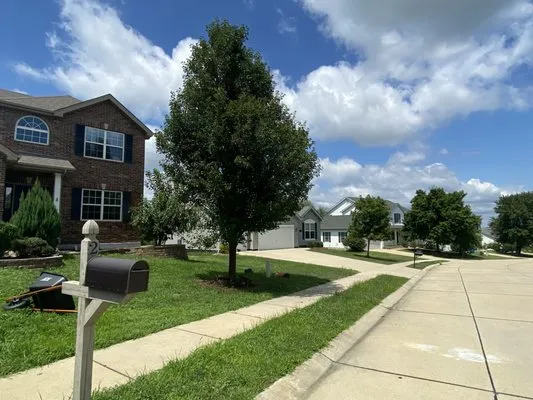
Great Gardens Landscaping And More is a trusted Marble Hill, MO, provider specializing in comprehensive tree services and landscaping. We help homeowners and businesses address common local issues lik...

St. Louis Tree Pros is a locally owned and operated tree care and landscaping service based in Valley Park, MO, serving the greater St. Louis region since 2015. Our team includes ISA Certified Arboris...

Valdez Landscapes has been serving Florissant, MO since 2007, bringing expertise and passion to every project. Founded by an owner who honed skills working alongside some of St. Louis's best in the bu...
Estimated Landscaping Service Costs in Breckenridge Hills, MO
Q&A
How can I keep my Tall Fescue lawn healthy without wasting water or risking violations?
Wi-Fi ET-based weather-sensing irrigation controllers are the standard for efficiency in Breckenridge Hills. These systems automatically adjust runtime based on real-time evapotranspiration data, precise rainfall, and temperature. This technology ensures Tall Fescue receives exactly the water it needs, preventing overwatering that stresses the grass and wastes municipal supply, even in the absence of formal restrictions.
A storm dropped branches across my driveway. What's the fastest response for emergency cleanup?
For emergency debris removal, our dispatch from Breckenridge Hills City Hall prioritizes routes via I-70 to minimize transit through local streets, ensuring a 25-35 minute arrival during peak response windows. The crew operates a fully electric fleet compliant with local noise ordinances, allowing for early morning or evening work if needed. This logistical planning addresses immediate safety hazards while adhering to community standards for disturbance.
I'm tired of weekly mowing and gas equipment noise. Are there lower-maintenance landscape options?
Transitioning high-input turf to a native plant community using species like Purple Coneflower, Butterfly Milkweed, Little Bluestem, and Wild Bergamot drastically reduces maintenance. These deep-rooted perennials require no mowing, minimal watering once established, and provide critical habitat. This shift also future-proofs your property against evolving noise ordinances that increasingly restrict gas-powered blowers and mowers.
Water pools in my yard after every rain. What's a long-term solution for this drainage problem?
Moderate runoff in Breckenridge Hills is frequently caused by clay-heavy subsoil compaction beneath the silt loam. A functional solution combines subsurface French drains with the replacement of non-permeable surfaces. Using permeable concrete pavers or open-grid limestone systems for patios and walkways increases ground absorption. This integrated approach manages stormwater on-site, aligning with St. Louis County stormwater best practices for runoff reduction.
We want to regrade our backyard for better drainage. What permits and contractor credentials are required?
Regrading a 0.19-acre lot in Breckenridge Hills typically requires a permit from the City Clerk & Building Department to ensure work complies with drainage and erosion control plans. The contractor must hold appropriate licensing through the St. Louis County Department of Public Works, which validates their competency in earthmoving and stormwater management. This oversight prevents downstream flooding and property damage, making professional verification essential.
My lawn seems thin and struggles despite fertilizer. Could our old neighborhood soil be the issue?
Breckenridge Hills Residential District homes, averaging 73 years old, have mature soil profiles. The original silt loam topsoil has often been lost to erosion or compaction, exposing the underlying clay-heavy subsoil. This common condition reduces permeability and root penetration, creating a hardpan. Core aeration and amending with compost are not just improvements but necessary interventions to rebuild soil structure and biological activity for healthy plant growth.
We're building a new patio. Are concrete pavers or natural limestone better for our climate and safety?
Both concrete pavers and limestone are durable in Zone 7a, but their performance differs. Quality concrete pavers offer consistent frost resistance and low maintenance. Natural limestone provides superior permeability and a unique aesthetic but requires periodic sealing. In this low Firewise rating area, both materials are non-combustible, contributing to defensible space without the decay or flammability risks associated with wood.
An aggressive vine is taking over my flower beds. How do I remove it safely and correctly?
Early identification is key, as common invasive species like wintercreeper or Japanese honeysuckle can quickly dominate. Manual removal of the entire root system is most effective for small infestations. For larger areas, targeted, professional-grade herbicide applications must be timed outside of any local fertilizer ordinance blackout periods to prevent runoff into waterways, protecting the broader watershed.
