Top Landscaping Services in Bowling Green, MO, 63334 | Compare & Call

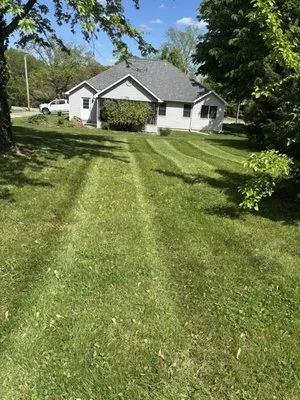
Fairchild Lawncare is a locally owned and operated lawn service in Bowling Green, MO, founded by a dedicated 20-year-old entrepreneur who has been mowing yards since childhood. With a background in go...
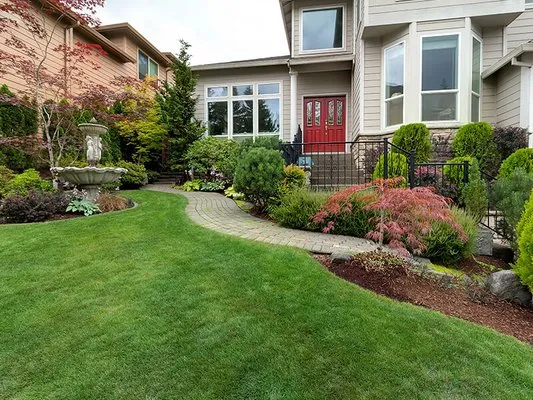
Crane Lawn And Land LLC is a trusted Bowling Green, MO, lawn care company with years of combined experience serving the local community. We specialize in comprehensive lawn care services, built on a f...

Chandler Landscape & Construction
Chandler Landscape & Construction is your trusted local expert in Bowling Green, MO, specializing in landscaping, drywall services, and patio coverings. We help homeowners tackle common local issues l...
Kent Landscaping is a trusted, locally-owned landscaping service in Bowling Green, MO, dedicated to solving common yard challenges faced by homeowners in our area. We specialize in addressing issues l...
Common Questions
Water pools near my foundation after heavy rain. What's the best long-term fix for our clay subsoil?
Pooling indicates the moderate runoff hazard common with Bowling Green's silt loam over compacted clay. The fix involves creating positive drainage away from the foundation. A channel drain tied to a dry well or daylighted outlet is often required. For new hardscape, specifying local limestone pavers set on a permeable base can meet Bowling Green Building & Zoning Department runoff standards by allowing infiltration, reducing the burden on the subsurface clay layer.
How can I keep my Tall Fescue healthy if the city implements summer water restrictions?
Proactive management with smart Wi-Fi ET-based controllers is the solution. These systems adjust irrigation schedules daily based on local evapotranspiration data, applying water only as needed. This practice often uses less water than a standard timer while improving turf health by preventing overwatering. Even under Stage 0, this technology builds resilience, ensuring your lawn stays within potential future municipal limits without sacrificing viability.
A storm damaged several trees. How quickly can a crew arrive for an emergency cleanup to meet HOA compliance deadlines?
For urgent storm response, a dispatched crew can typically be on site within 20-30 minutes during peak hours. The standard routing from the Pike County Courthouse area uses US-61 for efficient access to most neighborhoods. This allows for immediate safety hazard mitigation and debris removal to prevent violations, with a formal work plan submitted to the HOA following the initial stabilization.
Is local limestone or composite wood better for a new patio that requires low maintenance?
Local limestone pavers offer superior longevity and lifecycle performance. While composite materials can decay or warp over time, limestone is a permanent mineral asset. Its thermal mass also aids in moderating micro-climate temperatures. From a Firewise perspective, its non-combustible nature contributes to defensible space in this Low-rated WUI area, unlike wooden decks which are a fuel source. Properly installed limestone requires minimal ongoing maintenance.
I want to reduce mowing and chemical use. What are robust native alternatives for my sunny yard?
Transitioning sunny areas to a native plant community is a sound strategy. Species like Purple Coneflower, Butterfly Milkweed, and Little Bluestem are adapted to Zone 6a soils and climate, requiring no fertilizer, minimal water once established, and no weekly mowing. This xeriscaping approach also supports 2026 biodiversity goals and pre-adapts your property to potential future noise ordinances targeting gas-powered maintenance equipment.
I've spotted invasive Callery Pear seedlings. What's the safe removal protocol given local fertilizer rules?
Callery Pear is a high-priority invasive. Seedlings should be hand-pulled when the soil is moist, ensuring removal of the entire root. For larger saplings, a cut-stump treatment with an approved glyphosate formulation applied immediately after cutting is effective. This targeted application avoids broad-scale herbicide use and complies with Missouri's state-standard fertilizer and pesticide ordinances, which have no specific local blackout dates but mandate label adherence.
Do I need a permit to regrade my backyard for better drainage on my 0.25-acre lot?
Yes, significant regrading typically requires a permit from the Bowling Green Building & Zoning Department. Altering the land's contour affects stormwater runoff patterns, which is regulated. Furthermore, this work must be performed by or under the supervision of a licensed professional. The Missouri Division of Professional Registration licenses landscape architects and contractors, ensuring the work meets engineering and environmental standards for a property of this size.
My lawn seems thin and compacted. Is this typical for older homes in the Bowling Green Historic District?
Yes, this is a predictable condition. Homes built around 1971, like many in the district, have soils with over 50 years of maturation. The predominant silt loam becomes heavily compacted from decades of foot traffic and conventional maintenance, reducing pore space and organic matter. This leads to poor soil percolation and weak root systems. Core aeration combined with top-dressing compost is essential to rebuild soil structure and restore permeability.
