Top Landscaping Services in Bonne Terre, MO, 63628 | Compare & Call
There are 53 landscaping companies server in Bonne Terre MO
Parker's Services in Park Hills, MO, provides essential lawn care and dog walking solutions tailored to our community's specific needs. We help local homeowners tackle common landscaping challenges li...
Chandler Outdoor Services is a locally owned and operated landscaping and tree care company serving Perryville, MO, and the surrounding areas. We understand the common challenges homeowners face in ou...

All Angles Roofing & Siding is a trusted, full-service contractor serving Park Hills and the surrounding communities. We specialize in roofing, siding, and landscaping solutions built to withstand loc...
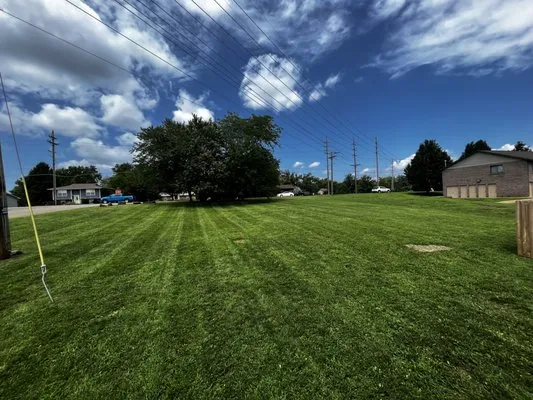
SPR LawnCare in Desloge, MO, is a trusted local provider of comprehensive lawn, tree, and junk removal services. We specialize in helping Desloge homeowners tackle common landscaping challenges like s...
Top Notch Trees is a trusted, locally-owned tree and lawn service company serving Leadington, MO, and the surrounding areas. We specialize in comprehensive tree care and lawn maintenance to address co...

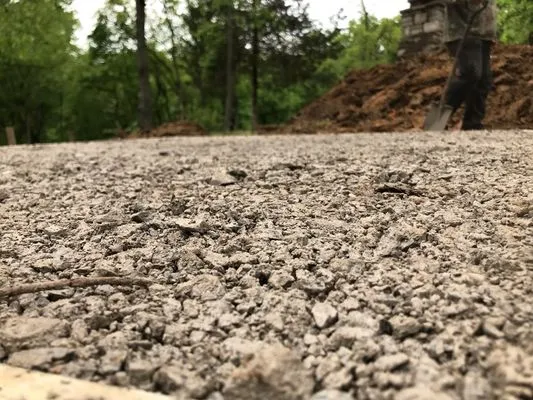
LCX Contracting is a professional excavating contractor serving Potosi and the surrounding area. We pride ourselves on completing every job correctly from the start, working closely with our customers...
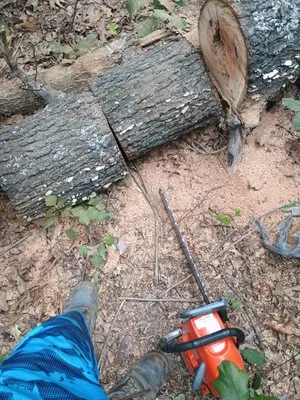
MO Property Solutions is a trusted local business in Ironton, MO, specializing in comprehensive property maintenance and cleanup services. We address common landscaping challenges faced by homeowners,...
Charles Henricks Landscaping & Concrete is a Festus-based contractor specializing in comprehensive landscaping and construction solutions for local homeowners. We address common Festus-area issues lik...
Frederick Lawn Service is a trusted lawn care provider in Bonne Terre, MO, dedicated to helping homeowners maintain healthy, beautiful lawns. We specialize in comprehensive lawn care services that add...
Rays Lawn and Landscaping is a trusted, locally-owned service dedicated to keeping Leadwood yards healthy and well-maintained. We understand the common challenges homeowners face, like damaged landsca...
Estimated Landscaping Service Costs in Bonne Terre, MO
FAQs
Is dolomitic limestone or wood better for a new patio in our climate?
Local dolomitic limestone is superior for longevity and fire resilience. Unlike wood, which decays and requires chemical treatments, limestone is permanent, drains well, and withstands freeze-thaw cycles. For properties in the Moderate (WUI Zone 2) fire risk rating, its non-combustible nature also contributes to defensible space requirements. The initial cost is offset by zero maintenance and a lifespan measured in decades, making it a sustainable, one-time investment.
How quickly can you respond to a storm-damaged tree for HOA compliance?
Our emergency storm response protocol targets a 20-30 minute dispatch window during peak events. Crews routing from the Bonne Terre Mine area take US Route 67 directly into the Historic District, equipped with electric chippers and saws compliant with the 7:00 AM noise ordinance start time. We prioritize safety-critical hazards like hanging limbs or blocked access, documenting the site for any required HOA correspondence to ensure immediate compliance and safety restoration.
What invasive species should I watch for, and how do I treat them safely?
In our area, Japanese honeysuckle and wintercreeper pose significant threats, outcompeting natives and degrading soil health. Manual removal is most effective for small infestations. For larger problems, a targeted, professional-grade herbicide application in late growing season is necessary, strictly following Missouri BMP guidelines which prohibit application on frozen ground. Always pair removal with planting aggressive natives like Wild Bergamot to occupy the space and prevent reinvasion.
I'm tired of weekly mowing. What's a lower-maintenance, eco-friendly alternative?
Transitioning perimeter zones to a native plant community using species like Purple Coneflower, Butterfly Milkweed, and Little Bluestem drastically reduces maintenance. These deep-rooted perennials require no fertilization, minimal water once established, and support local pollinators. This shift also future-proofs your property against evolving noise ordinances targeting gas-powered blowers and mowers, as these plantings are managed with quiet, electric trimmers just a few times per year.
What permits and credentials are needed for regrading my quarter-acre lot?
Significant earth moving on a 0.25-acre property typically requires an erosion and sediment control permit from Bonne Terre City Hall Planning & Zoning to protect waterways. Furthermore, the contractor must hold appropriate licensing through the Missouri Department of Agriculture, which ensures they understand BMPs for soil stabilization. Using an unlicensed operator risks improper grading that can create drainage violations for your and neighboring properties, leading to costly corrective orders.
Is it wasteful to water my Tall Fescue lawn with Bonne Terre's voluntary conservation?
Not with modern ET-based smart controllers. These systems use local weather data to apply water only when evapotranspiration indicates a need, often reducing usage 20-30% compared to traditional timers. For your Tall Fescue, this means deep, infrequent irrigation cycles that encourage drought-tolerant roots while staying well within municipal guidelines. Properly programmed, the system automatically bypasses rainfall, making conservation automatic and precise without sacrificing turf health.
My yard pools water after rain. What's a lasting solution for our clay subsoil?
Moderate runoff here is typically caused by clay-heavy subsoil restricting permeability. A tiered approach works best: first, regrade to direct water away from foundations; second, install French drains in chronic wet spots; third, use permeable materials like local dolomitic limestone for patios and paths. This combination increases infiltration and meets the City Hall Planning & Zoning's runoff management standards by slowing and dispersing water rather than piping it directly to the storm sewer.
Why does my Bonne Terre Historic District soil seem so compacted and tired?
Homes built in the 1969 era often had topsoil stripped during construction, leaving a base of dense, acidic silt loam. Over 57 years, repeated foot traffic and mowing have compacted this subsoil, severely limiting root growth and water percolation. Core aeration is critical to relieve this compaction, followed by incorporating compost to increase organic matter and buffer the natural pH of 5.8-6.5. This process rebuilds soil structure, mimicking the mature, healthy profiles found in undisturbed areas.
