Top Landscaping Services in Billings, MO, 65610 | Compare & Call
There are 139 landscaping companies server in Billings MO

North American Contractors is a full-service general contracting company serving homeowners in Springfield, MO. We combine expertise in construction, painting, and landscaping to tackle both interior ...
G&M Maintenance Solutions is your trusted local handyman and lawn care expert serving Springfield, MO. We provide comprehensive solutions for both your home's interior and exterior, including applianc...

King Preservation is a Seymour-based, family-owned company founded by Nick and Maegan in 2019. With deep roots in Missouri, Nick brings over two decades of hands-on construction experience from his ea...

Multi Service Lawn Care is your local, Springfield-based lawn service provider, founded by a young entrepreneur dedicated to building a reliable and affordable foundation for the community. We special...
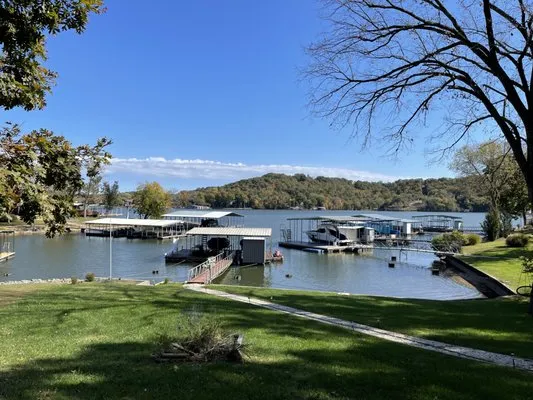
HomeTown Lawns is your trusted local lawn care provider in Springfield, MO, dedicated to enhancing the health and beauty of your property. We understand the common challenges Springfield homeowners fa...
Garden Park Enterprise is a trusted lawn and gutter service provider based in Springfield, MO. We are dedicated to enhancing and maintaining the outdoor spaces of our community. Our approach is straig...
At McBroom Home Reform, we bring a practical and comprehensive skill set to every job in Springfield. With over a decade of experience in industrial maintenance and seven years as a machinist and weld...

Yoder Lawn is a licensed lawn and landscape company serving Nixa, MO, and the surrounding Springfield area since 2005. We specialize in comprehensive outdoor solutions, including landscaping, irrigati...
Minney's Landscaping is a trusted, locally-owned landscaping company serving homeowners across Springfield, MO. We understand the unique challenges Springfield yards face, from stubborn weed infestati...
Custom Irrigation & Turf is your trusted local partner for maintaining a healthy, green lawn in Springfield, MO. We understand the common challenges homeowners face, like irrigation timer failures tha...
Estimated Landscaping Service Costs in Billings, MO
FAQs
Why does my Billings yard have such compacted soil that won't drain properly?
Downtown Billings properties average 51 years of development since 1975 construction, creating mature silt loam soil with significant compaction from decades of foot traffic and equipment use. This silt loam naturally retains moisture but develops poor permeability when compacted, especially with the clay subsoil common in Christian County. Core aeration every 1-2 years combined with organic amendments like composted leaf mold addresses compaction while maintaining the optimal pH 6.5-7.0 range for nutrient availability.
Should I replace some lawn areas with native plants to reduce maintenance?
Transitioning high-maintenance turf to Purple Coneflower, Little Bluestem, Butterfly Milkweed, and Aromatic Aster natives creates climate-adaptive xeriscaping that requires 70% less water and minimal mowing. This approach anticipates 2026 electric equipment mandates by eliminating gas-powered blower use for leaf cleanup. Native plant communities also support local pollinator populations while naturally resisting Billings' common pests and diseases.
What permits and licenses are needed for grading work on my 0.25-acre Billings property?
Christian County Planning & Development requires grading permits for any earth movement exceeding 50 cubic yards on 0.25-acre lots. Contractors must hold Missouri Department of Agriculture licensing for soil and water conservation work, particularly when modifying drainage patterns or removing more than 10% of vegetative cover. These regulations prevent erosion issues and ensure proper stormwater management in silt loam soils prone to compaction and runoff problems.
How quickly can you respond to an emergency tree cleanup after a storm in Downtown Billings?
Emergency storm response typically requires 20-30 minutes during peak conditions from our dispatch at Billings City Park. The route follows MO-14 directly into Downtown Billings neighborhoods, allowing efficient access despite traffic patterns. This response window meets most HOA compliance deadlines for debris removal while adhering to Christian County's 10:00 PM noise ordinance cutoff for equipment operation.
Can I maintain healthy Tall Fescue turf while following Billings' water conservation guidelines?
Stage 1 voluntary conservation measures align perfectly with smart Wi-Fi ET-based irrigation controllers that adjust watering schedules using real-time evapotranspiration data. These systems typically reduce Tall Fescue water use by 20-30% while maintaining turf health through precise moisture delivery. Programming deep, infrequent watering cycles encourages deeper root growth that better withstands dry periods within municipal water limits.
What's the best solution for moderate runoff problems in my Billings yard?
Silt loam soils with clay subsoil compaction create moderate runoff issues that crushed limestone hardscape addresses effectively. This permeable material allows 40-50% faster water infiltration than traditional pavers while meeting Christian County Planning & Development runoff standards. Installing French drains with gravel channels through compacted zones redirects water flow without creating erosion problems common in 0.25-acre lots.
Is crushed limestone better than wood for patio materials in Billings?
Crushed limestone offers superior longevity with 25+ year lifespan compared to wood's 10-15 year maximum in Missouri's climate. This material supports Firewise USA Community Standards for moderate-risk zones by creating defensible space without combustible organic matter. The light-colored surface reflects summer heat while providing stable footing that resists frost heave damage common in USDA Zone 6b winters.
How do I control invasive species without violating fertilizer regulations?
Missouri's BMPs prohibit phosphorus application on frozen or saturated ground, creating specific treatment windows for invasive species like Japanese knotweed or Bradford pear seedlings. Mechanical removal during dry periods in late spring followed by targeted glyphosate applications to cut stems avoids soil contamination. Always verify treatment timing with the Missouri Department of Agriculture's seasonal advisories to prevent ordinance violations while protecting desirable native vegetation.
