Top Landscaping Services in Bethany, MO, 64424 | Compare & Call
There are 116 landscaping companies server in Bethany MO

Tyler Littrell brings a lifelong dedication to lawn care to Smithville as the owner of TJ's Lawn and Landscape. His passion started young, and he has been working professionally in the industry since ...
Wardrip Landscaping
Wardrip Landscaping has been a trusted Kansas City landscaping contractor since the 1980s, serving both residential and commercial clients across the greater metro area. Based in Kansas City, Missouri...
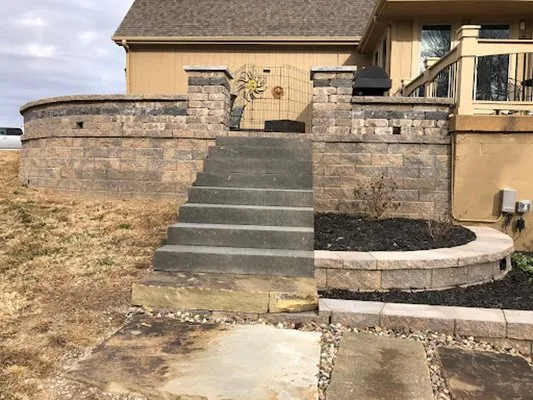
Cutting Edge Landscapes is a family-owned business deeply rooted in the Lawson, MO community. Founded in 1985 by Kent Stephan as a summer lawn mowing service, the company has grown into a comprehensiv...

Gilliam Lawn Care Services Plus
Gregory Gilliam, a Marine Corps veteran, founded Gilliam Lawn Care Services Plus L.L.C. in Smithville, MO, bringing 18 years of landscape industry experience and a commitment to 100% customer satisfac...

Designscapes Landscaping & Watergardening
Designscapes Landscaping & Watergardening is a locally-owned and operated business serving Saint Joseph, MO, with over two decades of experience. Founded on a passion for design and craftsmanship, own...
Michael Jackson Hardscaping
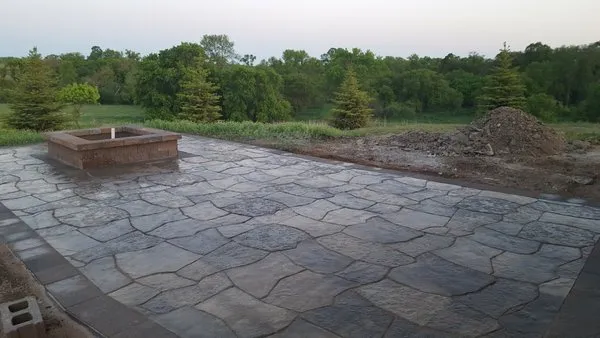
Michael Jackson Hardscaping in Lee's Summit, MO, is a locally owned and operated company dedicated to transforming outdoor living spaces. We specialize in creating durable and beautiful custom patios,...
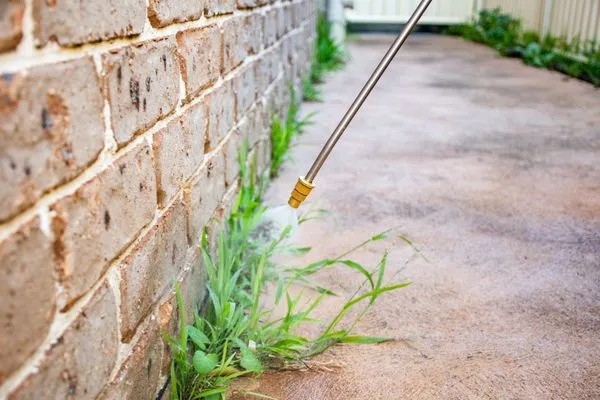
Outdoor Sector is a Blue Springs-based landscaping, snow removal, and masonry/concrete company serving the Kansas City metro area. Established in 2022, we focus on delivering professional outdoor serv...
T's Landscaping
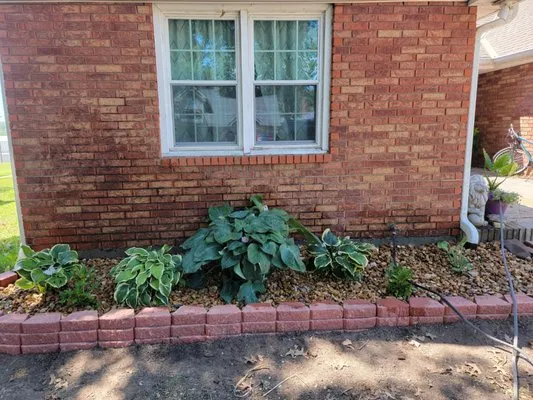
T's Landscaping is a locally owned and operated business serving Cameron, MO, and the surrounding communities. Founded in 2024, we quickly earned the community's trust, being voted 1st place for lands...
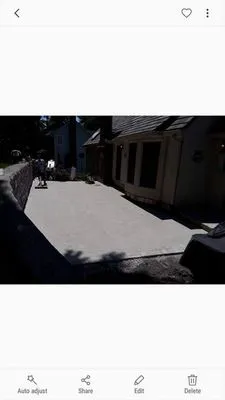
Lupercio Land Designs is a family-owned landscaping business serving Independence, MO, with over 30 years of hands-on experience. Founded and operated by owner Jose, who personally handles every aspec...

Blue Sparrow Lawn & Landscape
Blue Sparrow Lawn & Landscape is a fully licensed and insured landscaping company serving Excelsior Springs, MO, and the Northland area since 2014. Specializing in both commercial grounds maintenance ...
Estimated Landscaping Service Costs in Bethany, MO
FAQs
How quickly can you respond to storm damage for HOA compliance?
Emergency cleanup crews dispatch from Bethany City Hall via I-35, reaching Downtown Bethany properties within 15-20 minutes during peak hours. This response window covers immediate safety hazards like downed limbs blocking driveways or damaged trees threatening structures. The route prioritizes arterial roads to bypass residential congestion while maintaining compliance with standard residential decibel limits for equipment operation.
Why does my Bethany lawn struggle despite regular care?
Downtown Bethany properties built around 1968 have 58-year-old soil profiles in Grundy Silt Loam. This soil type naturally compacts over decades, reducing permeability and oxygen availability to roots. Core aeration every 2-3 years addresses this by creating channels for water infiltration and microbial activity. Adding 0.25 inches of compost annually improves organic matter content from typical 2% to optimal 5% levels.
Are concrete pavers better than wood for patio materials?
Concrete pavers offer 25+ year lifespans versus wood's 10-15 years, with superior fire resistance relevant to Bethany's low fire-wise rating. Their non-combustible nature maintains defensible space requirements while crushed limestone pathways provide additional firebreaks. Both materials withstand freeze-thaw cycles in Zone 5b without the seasonal maintenance wood requires, though proper base preparation remains critical for longevity.
What solutions exist for seasonal yard flooding?
Moderate runoff in Grundy Silt Loam requires graded swales directing water away from foundations. Permeable concrete pavers or crushed limestone installations increase infiltration rates from 0.5 to 2.5 inches per hour, meeting Bethany City Clerk & Planning Office runoff standards. French drains with clean stone aggregate provide subsurface drainage for chronically saturated areas without altering lot topography significantly.
What permits and licenses does grading work require?
Grading on 0.25-acre lots requires Bethany City Clerk & Planning Office approval for changes exceeding 6 inches of elevation or affecting drainage patterns. Contractors must hold Missouri Department of Agriculture licensing for soil disturbance operations, ensuring proper erosion control during projects. Unlicensed grading risks fines up to $5,000 and mandatory restoration orders, particularly when altering established water flow across property boundaries.
Can I reduce mowing while keeping my yard attractive?
Replacing 30-50% of turf with Purple Coneflower, Butterfly Milkweed, Little Bluestem, and Wild Bergamot creates biodiverse landscapes requiring minimal maintenance. These Missouri natives thrive in Zone 5b without irrigation once established, eliminating weekly mowing and reducing gas-powered equipment use. This transition aligns with emerging noise ordinance trends while supporting pollinator populations ahead of 2026 biodiversity benchmarks.
Should I install smart irrigation with no current water restrictions?
Smart Wi-Fi soil moisture sensor controllers prevent overwatering Kentucky Bluegrass and Tall Fescue despite Stage 0 restrictions. These systems use evapotranspiration data and soil probes to deliver 1-1.5 inches weekly only when needed, reducing consumption 30-50% compared to timer-based systems. This proactive approach maintains turf health while preparing for potential future restrictions as climate patterns shift.
How do I manage invasive plants safely?
Japanese knotweed and garlic mustard pose the highest invasion risks in Bethany's disturbed soils. Manual removal before seed set combined with targeted glyphosate applications during active growth phases proves most effective. These treatments avoid Missouri's nutrient management guideline blackout dates (typically November-February) while preventing soil disturbance that exacerbates invasive spread through root fragmentation.
