Top Landscaping Services in Belton, MO, 64012 | Compare & Call

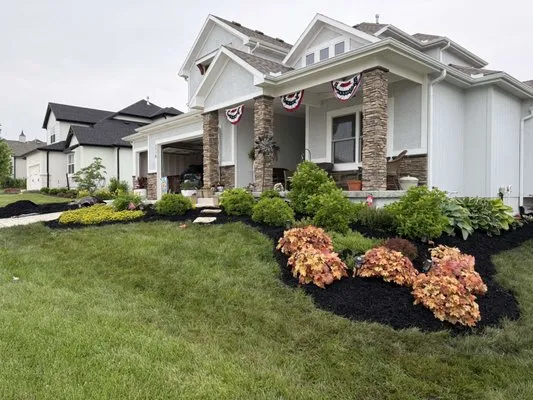
Revival Landscaping and Staining is a trusted, locally owned and fully insured contractor serving Belton, MO. We specialize in transforming and maintaining outdoor spaces with clean craftsmanship and ...
RBG Lawn
RBG Lawn is a trusted, full-service lawn and landscape company serving homeowners throughout Belton, MO. We understand the unique challenges of local properties, including common issues like yard eros...
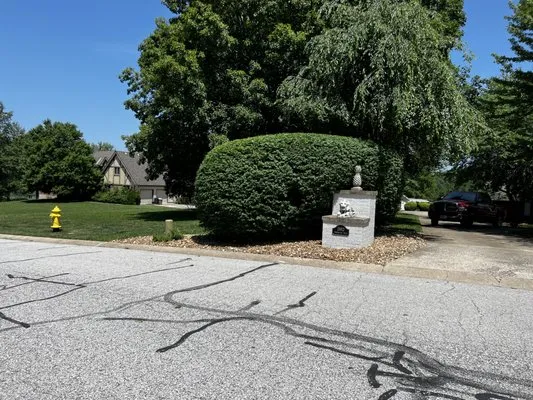
Morales Lawn and Landscape is your trusted local expert for lawn and tree care in Belton, MO. We understand the common landscaping challenges many Belton homeowners face, such as poor lawn grading and...
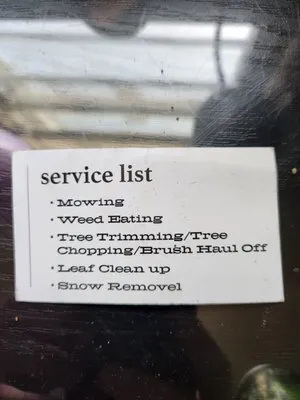
Potter Family Lawn & Tree Service is a Belton-based, family-owned business dedicated to enhancing local outdoor spaces. We believe in treating every client like a neighbor, providing reliable and prof...

Serenity Landscape Design is a full-service landscaping company serving homeowners in Belton, MO, and the surrounding areas. We understand the common local frustrations of bare lawn patches and persis...

Pro Turf and Pro Pest Solutions
Since our start in a two-car garage in 1997, Pro Turf and Pro Pest Solutions has grown by putting our Belton neighbors first. We've built our reputation not on advertising, but on the trust and referr...
At Outdoor Solutions in Belton, we build our work on lasting relationships, starting with our dedicated team and extending to every client we serve. Honesty, integrity, and fair pricing are the non-ne...

J's Lawncare in Belton, MO, is a locally owned and operated lawn service business founded by Jacob. Starting from humble beginnings with just a push mower and a desire to help a neighbor, Jacob has bu...

Mow Crew Squad is a Veteran Owned Lawn Care Company serving Belton, MO, dedicated to providing exceptional care for your outdoor space. We offer a 10% discount for seniors and individuals with disabil...

Rhyno Lawn Pros is a locally owned and operated lawn care service dedicated to Belton, MO. Founded during the pandemic by a team with extensive landscaping experience, we bring a practical, reliable a...
Frequently Asked Questions
Why does my Belton Heights yard have such dense, slow-draining soil that makes gardening difficult?
Belton Heights properties built around 1986 have 40-year-old soil profiles that have compacted over time. Silty clay loam naturally develops poor permeability with age, especially under repeated mowing and foot traffic. Core aeration every 2-3 years combined with organic amendments like composted leaf mold addresses this compaction by improving soil structure and microbial activity. This restoration mimics natural soil processes that have been disrupted by decades of conventional maintenance.
How can I maintain healthy tall fescue turf in Belton while conserving water?
Wi-Fi ET-based weather sensing irrigation systems automatically adjust watering schedules using real-time evapotranspiration data from local weather stations. This technology applies precisely the water tall fescue needs—typically 1-1.5 inches weekly during peak growth—while staying well within Stage 0 water restriction parameters. The system reduces water use 20-30% compared to traditional timers by accounting for rainfall, humidity, and temperature variations specific to Belton's microclimate.
How does limestone compare to wood for durable hardscaping in Belton's climate?
Limestone pavers offer superior longevity in Belton's freeze-thaw cycles, maintaining structural integrity for 25+ years compared to wood's 8-12 year lifespan. Their non-combustible nature supports Belton's Low Fire Wise rating by creating defensible space without adding fuel load near structures. Properly installed with adequate base preparation, limestone provides stable, low-maintenance surfaces that withstand Missouri's seasonal temperature extremes without warping or decomposition.
What low-maintenance alternatives to traditional turf make sense for Belton properties?
Transitioning to native plant communities featuring purple coneflower, little bluestem, butterfly milkweed, and wild bergamot reduces maintenance frequency by 60-80%. These deep-rooted species require no weekly mowing and minimal watering once established, staying ahead of evolving noise ordinances targeting gas-powered equipment. The resulting landscape supports local pollinators while creating visual interest through seasonal texture and color variations.
What solutions address the moderate runoff problems common in Belton's clay-heavy soils?
Silty clay loam's natural compaction creates surface runoff that exceeds Belton Planning & Building Department standards for new installations. Permeable limestone paver systems allow 30-50% of stormwater to infiltrate directly into the soil profile, reducing runoff volume significantly. When combined with French drains or dry creek beds in problem areas, this approach manages water on-site while meeting municipal requirements for stormwater management in residential landscapes.
What permits and licensing are required for significant landscaping changes on a typical Belton lot?
Grading work on Belton's 0.22-acre residential lots requires permits from the Belton Planning & Building Department when altering drainage patterns or moving more than 50 cubic yards of soil. Contractors must hold appropriate licensing through the Missouri Division of Professional Registration, ensuring they carry adequate insurance and understand local code requirements. This protects homeowners from liability issues while ensuring projects meet municipal standards for erosion control and property line setbacks.
How quickly can you respond to an emergency tree cleanup after a storm in Belton Heights?
Our electric fleet dispatches from Memorial Park within 20-30 minutes during peak response times, using I-49 for efficient access to Belton Heights. This timing accommodates Belton's noise ordinance restrictions (7:00 AM - 9:00 PM) while ensuring HOA compliance deadlines are met. Electric equipment operates within these hours without violating decibel limits, making post-storm cleanup both timely and neighborhood-appropriate.
What invasive species should Belton homeowners watch for, and how should they be managed?
Japanese knotweed and wintercreeper present significant threats in Belton's USDA Zone 6b, outcompeting native vegetation and degrading soil health. Mechanical removal followed by targeted herbicide application during active growth phases provides effective control without violating Missouri's phosphorus application guidelines for established turf. Timing treatments outside of blackout dates ensures regulatory compliance while maximizing effectiveness against these aggressive species.
