Top Landscaping Services in Barnhart, MO, 63012 | Compare & Call

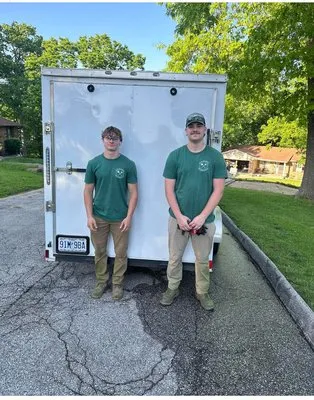
Moss Lawn Care LLC is a family-owned and operated business in Barnhart, MO, dedicated to providing reliable outdoor services with a personal touch. Our motto, 'Your Lawn, Our Pride,' reflects our comm...
Matrix Construction
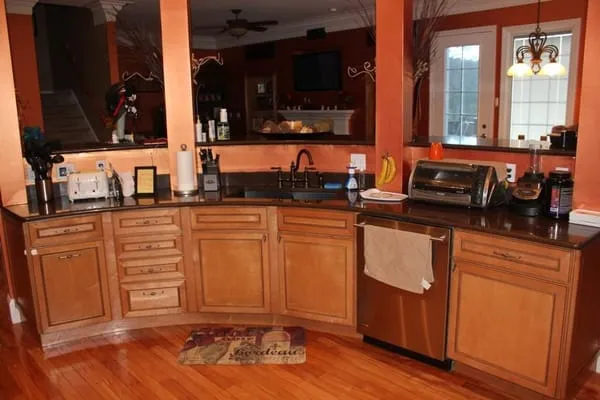
Matrix Construction is a trusted Barnhart, MO contractor specializing in deck construction, repair, and replacement, as well as hardscaping and room additions. We focus on delivering reliable home imp...
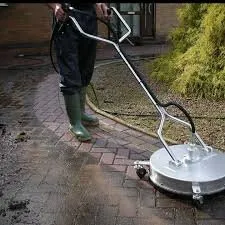
Arnold Bros Enterprises is a trusted, family-owned home services provider serving Barnhart, MO, and the surrounding communities. We specialize in both home cleaning and comprehensive lawn care, helpin...
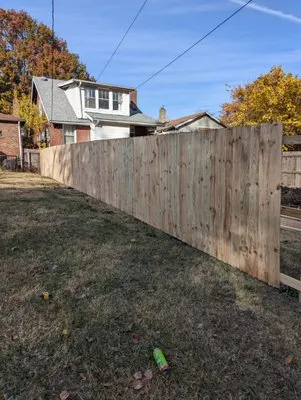
CAZ Handy Services is a trusted local handyman and landscaping company serving Barnhart, MO, and the surrounding area. We specialize in practical solutions for common residential problems, particularl...
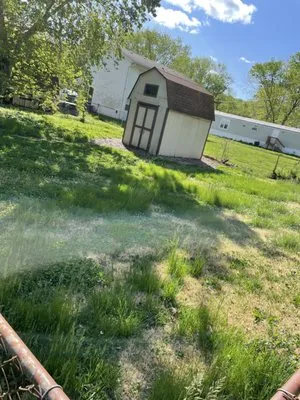
Lawn Daddy's is a trusted lawn care provider serving Barnhart, MO, and the surrounding communities. We specialize in comprehensive lawn care solutions designed to address common local landscaping chal...
Hampton Hardwood & Construction is a trusted Barnhart, MO-based contractor specializing in flooring, roofing, and landscaping services. For years, we've helped local homeowners address common issues l...

Cooper's Tree Service is a locally-owned and operated Barnhart tree care and landscaping company dedicated to keeping local properties safe, beautiful, and well-maintained. We understand the common ch...
Q&A
What solutions work for moderate runoff problems on my property?
Silt loam soils with clay subsoil compaction create moderate runoff issues common in Barnhart Heights. Permeable concrete pavers installed with proper base materials achieve 80-90% permeability rates, meeting Jefferson County Planning & Zoning Department standards for stormwater management. French drain systems with clean gravel and landscape fabric provide subsurface drainage paths for water moving through compacted layers. These solutions work synergistically with native plantings that increase soil infiltration capacity through deeper root systems.
Can I reduce maintenance while preparing for future equipment regulations?
Transitioning high-maintenance turf areas to native plantings creates ecological and operational advantages. Purple Coneflower, Butterfly Milkweed, and Little Bluestem establish deep root systems that require minimal irrigation once established. These plant communities support local pollinator populations while reducing mowing frequency and associated fuel consumption. As municipalities consider gas-blower phase-outs, native landscapes eliminate the need for leaf removal equipment entirely, positioning properties ahead of potential noise ordinance revisions.
What invasive species should I monitor and how do I treat them safely?
Japanese stiltgrass and garlic mustard present significant invasive threats in Jefferson County's silt loam ecosystems. Manual removal before seed set represents the most effective control method, particularly during early spring when plants are identifiable but not yet reproductive. For persistent infestations, targeted herbicide applications using Missouri Department of Agriculture-approved formulations should follow state Best Management Practices timing guidelines. Always verify treatment windows don't conflict with local fertilizer ordinance blackout dates to avoid regulatory violations.
What permits and licenses are needed for grading my 0.35-acre lot?
Grading projects exceeding 100 cubic yards of earth movement require Jefferson County Planning & Zoning Department review and permitting. The 0.35-acre lot size typically triggers this threshold for any significant regrading. Contractors must hold Missouri Department of Agriculture licensing for landscape installation, with additional certifications needed for erosion control implementation. Professional licensing ensures compliance with state sediment runoff regulations and proper stormwater management during construction phases, protecting both property value and downstream water quality.
Why does my Barnhart Heights yard have drainage issues and poor grass growth?
Barnhart Heights properties built around 1981 have 45-year-old soil profiles that show typical silt loam degradation. Over decades, compaction from construction equipment and routine maintenance reduces soil percolation rates below optimal levels for Tall Fescue. The pH range of 6.2-6.8 indicates adequate acidity but doesn't address the clay subsoil layer that restricts root penetration. Core aeration with organic compost amendments improves soil structure by increasing microbial activity and water infiltration capacity.
How quickly can you respond to storm damage for HOA compliance in Barnhart?
Emergency cleanup crews dispatch from Barnhart Park with equipment staged for rapid response along I-55 corridors. During peak storm events, arrival times range 20-30 minutes depending on traffic patterns and debris volume. The route optimization accounts for Jefferson County road priorities while maintaining compliance with standard noise nuisance restrictions. Crews prioritize safety hazards first, then address visible violations that might trigger HOA notifications within the 24-hour grace period typical for storm events.
Should I install smart irrigation with voluntary water conservation in effect?
Wi-Fi ET-based weather sensing irrigation represents the current standard for water conservation in USDA Zone 7a. These systems adjust watering schedules using real-time evapotranspiration data from local weather stations, typically reducing water use 20-40% compared to traditional timers. For Tall Fescue turf, this technology maintains root zone moisture at optimal levels while staying well within voluntary conservation guidelines. The systems automatically bypass watering during rainfall events and can be monitored remotely for leak detection and seasonal adjustment.
Are concrete pavers better than wood for durability in our climate?
Concrete pavers and limestone outperform wood significantly in USDA Zone 7a's freeze-thaw cycles. These materials maintain structural integrity for 25+ years with minimal maintenance, while wood decks typically require replacement within 10-15 years. For properties with Low Fire Wise ratings, non-combustible hardscapes create defensible space by eliminating flammable materials within critical zones. The thermal mass of stone materials also moderates microclimate temperatures around foundations, reducing energy costs associated with extreme temperature fluctuations.
