Top Landscaping Services in Ashland, MO, 65010 | Compare & Call

Precision Lawn Services is your trusted local lawn care and snow removal expert in Ashland, MO. We understand the unique challenges of Mid-Missouri yards, from uneven sprinkler coverage that leaves dr...
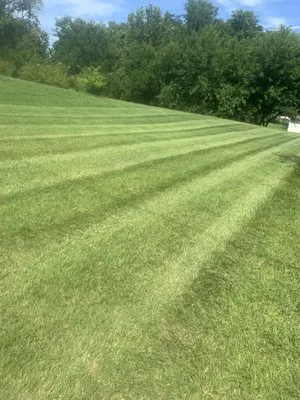
Fix It Fellers is a new Ashland, MO business founded by two brothers who combined their skills to offer comprehensive home services. They provide electrical, plumbing, and lawn care solutions, handlin...
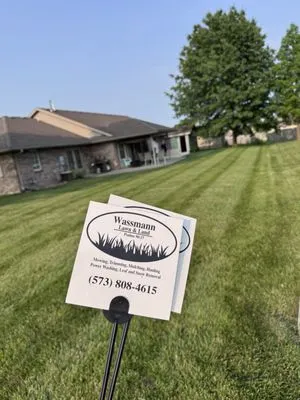
Wassmann Lawn and Land is a trusted, locally-owned lawn care and property maintenance company serving the Ashland, MO community. We specialize in providing effective, reliable solutions for the specif...

Salter Lawn Service
Salter Lawn Service is a locally owned and operated business in Ashland, MO, dedicated to providing comprehensive lawn care, gutter services, and pressure washing solutions for both residential and co...
Omar's Lawn Service is a trusted, locally-owned lawn care provider dedicated to keeping Ashland, MO yards healthy and beautiful. We understand that local soil conditions can lead to frustrating proble...
Mid-Mow Lawncrafters is a full-service landscaping company dedicated to enhancing and protecting the outdoor spaces of Ashland, MO. We specialize in comprehensive solutions that go beyond basic lawn c...
Questions and Answers
My Ashland North lawn seems compacted and thin. Is this typical for the neighborhood?
Yes, this is a common legacy soil condition in Ashland North subdivisions built around 2004. The original silty clay loam subsoil was graded and compacted during construction, creating a layer with low organic matter and poor permeability. Twenty-two years of maturation is insufficient for healthy soil structure to develop naturally. Annual core aeration and top-dressing with composted organic matter are necessary to improve water infiltration and root penetration for turf and landscape plants.
How can I keep my Tall Fescue healthy while following the city's voluntary water conservation?
Wi-Fi ET-based weather-sensing irrigation controllers are the technical solution. These systems adjust runtime daily based on local evapotranspiration data, rainfall, and soil moisture, applying water only when and where it is needed. This method can reduce outdoor water use by 20-40% compared to traditional timers, keeping Tall Fescue viable while operating well within Ashland's municipal water system limits and conservation guidelines.
Can you respond quickly for an emergency tree cleanup to meet HOA compliance deadlines?
Our dispatch prioritizes emergency calls from Ashland North. A crew would route from our staging area at Ashland City Park north on US-63 to your neighborhood, maintaining a 20 to 30-minute response window during peak conditions. We carry electric chippers and hand tools to begin immediate debris processing, ensuring the site is stabilized and compliant with community standards within the same service visit.
I want a lower-maintenance, eco-friendly yard. What should I plant?
Transitioning high-input turf areas to a palette of Missouri natives like Purple Coneflower, Butterfly Milkweed, Little Bluestem, Wild Bergamot, and Switchgrass is a forward-looking strategy. These plants are adapted to local Zone 6b conditions, require no fertilization, and support 2026 biodiversity targets. This shift also reduces reliance on gas-powered mowers and blowers, aligning with anticipated trends in community noise ordinance revisions.
Do I need a permit to regrade my 0.35-acre lot, and who is qualified to do the work?
Significant regrading that alters water flow or involves retaining walls over certain heights typically requires a permit from the Ashland Building & Zoning Department. The contractor performing this work must hold appropriate licensing, often through the Missouri Department of Agriculture for landscaping or a civil contractor's license for earthmoving. On a 0.35-acre lot, improper grading can create off-site drainage liabilities, making professional credentials essential.
Should I use wood or stone for a new patio and fire pit area?
Inorganic materials like concrete pavers or crushed limestone offer superior longevity and require less maintenance than wood in Ashland's climate. They also contribute to a defensible space, a key component of the Firewise USA Community Standards for Ashland's moderate-risk rating. A non-combustible hardscape zone around structures reduces fuel load and can be a requirement for insurance in fire-adapted landscapes.
Water ponds in my backyard after heavy rain. What's a permanent fix?
Ponding indicates the high clay content in Ashland's silty clay loam is dominating the soil's hydraulic function. A graded solution involves creating a shallow swale lined with permeable materials like crushed limestone to direct water away from the foundation. This aggregate base promotes subsurface infiltration and can be topped with turf or groundcover. Such designs often meet the Ashland Building & Zoning Department's stormwater runoff standards for residential properties.
My lawn has odd patches. Could it be an invasive weed, and how do I treat it safely?
Patches may signal invasive species like crabgrass or nimblewill. Accurate identification is critical before treatment. Any applied herbicide must be a Missouri Department of Agriculture-labeled product for residential use, and applications must strictly follow the label's rates and timing to comply with state nutrient management law. Treatment outside labeled parameters or during blackout dates specified for certain chemicals is a violation.
