Top Landscaping Services in Arnold, MO, 63010 | Compare & Call

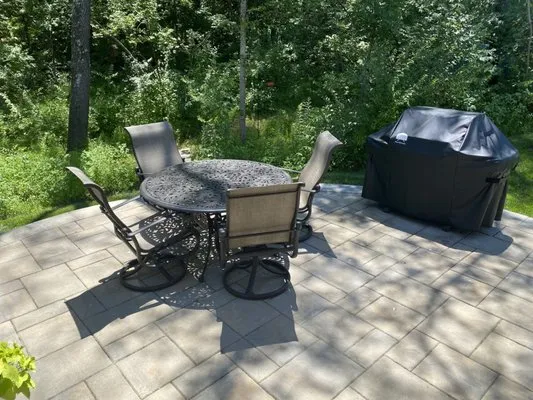
Red Oak Landscaping
Red Oak Landscaping is a licensed and insured landscaping company serving Arnold, MO, and the greater St. Louis region with over 30 years of experience. Founded by Richard Stephens, a St. Louis native...
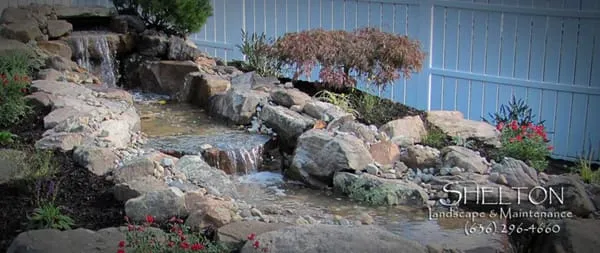
Shelton Landscape & Maintenance
Shelton Landscape & Maintenance is a locally-owned Arnold business with deep roots in the community. Founder Scott Shelton started by mowing lawns for neighbors while still in high school, driven by a...
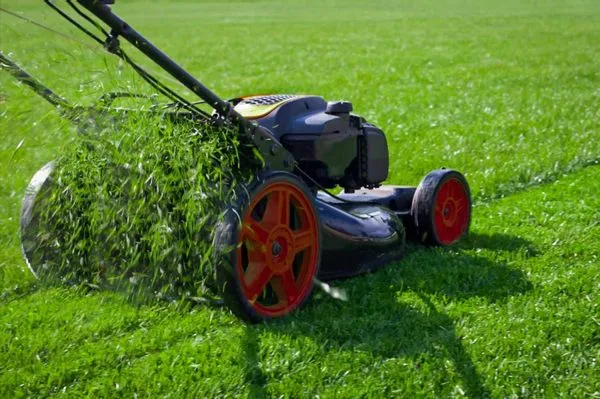
B C Landscaping is a faith-based landscaping and property maintenance company serving Arnold, MO, and surrounding communities. Founded on principles of hard work, integrity, and community service, we ...
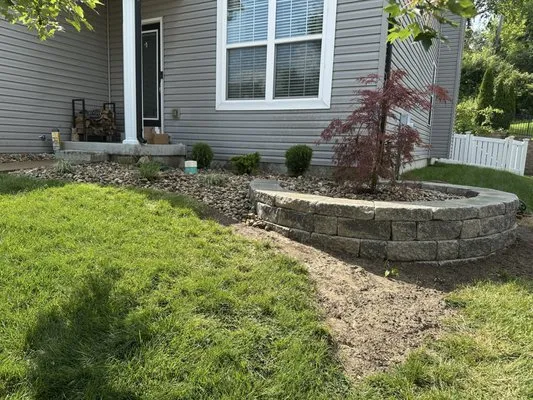
Top Tier Home Services
Top Tier Home Services is Arnold, MO's trusted partner for comprehensive outdoor solutions, specializing in lawn care, masonry, and landscape design. We understand that local homeowners often face cha...

TJS Landscaping is a trusted, locally-owned landscaping company serving Arnold, MO, and the surrounding communities. We understand the unique challenges homeowners face in our area, particularly soil ...
Walter Knoll Florist in Arnold, MO, is a family-owned business with over 130 years of experience serving the St. Louis area. As one of the largest florist and plant companies in the United States, the...
D&D Lawn Care Services is a trusted, locally-owned provider in Arnold, MO, dedicated to maintaining and enhancing residential lawns. We specialize in comprehensive lawn care, including mowing, fertili...
Tucker Lawn and Landscaping is a trusted local lawn service provider in Arnold, MO, specializing in comprehensive lawn care solutions. We understand the common landscaping challenges faced by Arnold h...
PB Lawn Care and More is your dedicated Arnold, MO, lawn care specialist. We provide comprehensive services, including lawn mowing, shrub trimming, low-hanging tree branch removal, and seasonal leaf c...
Country Tree Service is a trusted Arnold, MO-based provider specializing in comprehensive tree care and landscaping solutions. We help local homeowners and businesses maintain healthy, beautiful outdo...
Common Questions
Our yard holds water after heavy rain, creating soggy areas. What are the best long-term solutions?
Moderate runoff and clay subsoil saturation are typical drainage hazards here. Solutions start with improving soil permeability through aeration and organic amendments. For hardscape areas, consider replacing solid concrete with permeable concrete pavers or open-joint natural limestone. These materials allow water infiltration, reducing surface runoff and helping projects meet the Arnold Building Commissioner's Office standards for stormwater management.
We're tired of weekly mowing and want a more natural, low-maintenance yard. What are our options?
Transitioning sections of high-input turf to a native plant community is a forward-thinking solution. Species like Purple Coneflower, Butterfly Milkweed, Little Bluestem, and Wild Bergamot are adapted to Zone 7a conditions, requiring no fertilization, minimal watering, and infrequent cutting. This approach reduces fuel consumption and noise, proactively aligning with potential future ordinances on gas-powered equipment while significantly enhancing local biodiversity.
Our yard's soil feels tired and compacted. Is this common for houses built in the 1970s, and what can we do about it?
Yes, this is a frequent issue in Arnold City Center and similar neighborhoods. With homes averaging 49 years of age, the underlying silt loam soil has undergone decades of standard lawn care, leading to significant compaction and reduced permeability. The clay subsoil common in our area exacerbates poor drainage. We recommend core aeration in early fall, followed by top-dressing with compost to rebuild soil organic matter and improve the structure for better water and root penetration.
We're adding a patio and are deciding between wood composite and natural stone. Which is better for longevity?
For longevity and minimal maintenance in our climate, natural limestone or concrete pavers are superior to wood or composite. These materials are inert, do not rot or warp, and have a lifespan measured in decades. Their durability also supports defensible space principles, which are relevant even in Arnold's low Fire Wise rating urban setting, as they provide a non-combustible barrier adjacent to the home.
A storm damaged a large tree limb, and we need an emergency cleanup to meet HOA compliance. How quickly can a crew arrive?
For priority emergency response, a crew can typically dispatch from our staging area near Arnold City Park. Using I-55 for access, we anticipate arrival at your Arnold City Center property within the 20-30 minute window, even during peak traffic. This allows for rapid assessment and safe removal of hazardous debris to restore property safety and meet any compliance deadlines.
We've spotted what looks like invasive Japanese knotweed. How should we handle it safely?
Proper identification is the first critical step, as misapplication can worsen the problem. For confirmed invasives like knotweed, targeted herbicide application by a licensed professional is often necessary. All treatments must follow Missouri's BMP guidelines, which strictly prohibit application on frozen ground to prevent runoff. A multi-year management plan combining chemical and mechanical controls is typically required for eradication.
We're planning significant regrading and retaining walls. What permits and contractor credentials should we verify?
Any significant alteration of land contours or construction of retaining walls over a certain height requires a permit from the Arnold Building Commissioner's Office. For this work on a 0.25-acre lot, you must hire a contractor licensed by the Missouri Department of Commerce & Insurance. This licensing ensures they carry requisite liability insurance and have the technical expertise to execute the work safely, preventing property damage and legal liability.
We want a green lawn but are worried about wasting water. What's the most efficient system for our tall fescue?
The most efficient method is an ET-based smart irrigation controller. These Wi-Fi enabled systems use local weather data to apply water based on actual evapotranspiration rates, not a fixed timer. This technology is crucial for maintaining tall fescue health while conserving water, aligning with municipal stewardship goals even under current Stage 0 restrictions. It prevents overwatering, which is a primary cause of fungal disease in our silt loam soils.
