Top Landscaping Services in Archie, MO, 64725 | Compare & Call

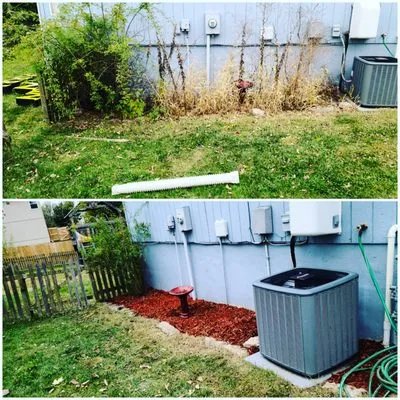
Great Lawn Service
Great Lawn Service in Archie, MO, is a locally owned and operated business with deep roots in lawn care. Owner started mowing at age 7 in Texas heat, developing a lifelong passion for the work. After ...

South Kansas City Custom Finish Grading in Archie, MO, is a trusted local excavation and landscaping company serving homeowners throughout the area. We specialize in comprehensive land management solu...
Greer Landscaping is your local Archie, MO partner for a healthier, more beautiful yard. We understand the specific challenges homeowners in our area face, like persistent bare patches and stubborn we...
Lanier Lawn Care is your trusted, local lawn care provider in Archie, MO. We specialize in diagnosing and treating the common local issue of patchy, thinning, or dead lawn areas that many homeowners f...
Question Answers
The soil in my yard feels dense and tired. What's the history behind this?
Archie City Center lots developed around 1978 have had nearly 50 years of soil compaction from construction and maintenance. The native silt loam, while fertile, compacts easily under traffic, restricting root growth and water percolation. This aging soil profile typically shows a pH of 6.2-6.8 but is often depleted of organic matter. Core aeration and adding composted organic amendments are essential to rebuild soil structure and support a resilient landscape.
How can I maintain a healthy Tall Fescue lawn under voluntary water conservation?
Voluntary conservation in Archie requires precise water management. A Wi-Fi ET-based irrigation system calculates daily evapotranspiration rates using local weather data, applying water only when and where the Tall Fescue needs it. This technology can reduce water use by 20-30% compared to timed schedules by adjusting for rainfall and humidity. Properly programmed, it keeps the lawn viable while staying well within recommended municipal limits.
Is crushed limestone a good choice for patios and paths compared to wood?
Crushed limestone offers superior longevity and functionality compared to wood. Its permeable nature manages stormwater, and it does not rot, warp, or attract pests. In Archie's Moderate Wildland-Urban Interface rating, non-combustible materials like limestone contribute to defensible space by creating a fire-resistant zone around structures. While wood requires regular treatment, limestone simply needs occasional grading to maintain a stable, clean surface.
We have a storm-damaged tree and need an emergency cleanup to meet HOA compliance. How quickly can a crew arrive?
For urgent HOA compliance work, our dispatch prioritizes Archie City Center. A crew mobilized from Archie City Park can access I-49 for a direct route, with an estimated arrival of 45-60 minutes during peak response times. We coordinate with local authorities on road closures and utilize real-time traffic data to optimize the route. All emergency vehicles are equipped for immediate debris management and safety zone establishment.
My yard holds water after rain. What's a solution for this clay-heavy subsoil?
Moderate runoff in Archie's silt loam over clay subsoil is common. The impermeable clay layer creates a perched water table. A strategic solution involves installing French drains or dry creek beds to intercept surface flow, coupled with amending planting beds to increase permeability. Using crushed limestone for pathways and patios adds a porous hardscape that meets Cass County Planning & Building Department's runoff management standards by allowing infiltration.
What permits and licenses are needed for grading and drainage work on my property?
Grading and drainage alterations on a 0.35-acre lot in Cass County often require a permit from the Cass County Planning & Building Department, especially if it impacts stormwater flow onto adjacent parcels. The work must be performed by or under the supervision of a professional licensed through the Missouri Department of Agriculture for pesticide application if herbicides are used, or a licensed engineer for significant earthmoving. This ensures compliance with state erosion control and nutrient management laws.
I want to reduce mowing and gas-powered maintenance. What are my options?
Transitioning high-maintenance turf to a climate-adaptive landscape is a forward-looking strategy. Replacing areas with native plants like Purple Coneflower, Little Bluestem, Butterfly Milkweed, and Wild Bergamot creates a low-input, biodiverse habitat. This approach significantly reduces mowing frequency, eliminates the need for gas-powered blowers—aligning with evolving noise ordinances—and provides superior drought tolerance. It represents a shift from weekly maintenance to seasonal stewardship.
What invasive species should I watch for, and how do I control them safely?
Archie's Zone 6b climate is conducive to invasives like Japanese knotweed and Callery pear. Manual removal for small infestations is most effective, ensuring complete root extraction. For larger problems, targeted herbicide applications by a licensed professional must follow Missouri's state nutrient management rules, avoiding prohibited blackout dates for sensitive areas. Always prioritize methods that protect soil microbiology and nearby native plantings.
