Top Landscaping Services in Appleton City, MO, 64724 | Compare & Call
There are 142 landscaping companies server in Appleton City MO
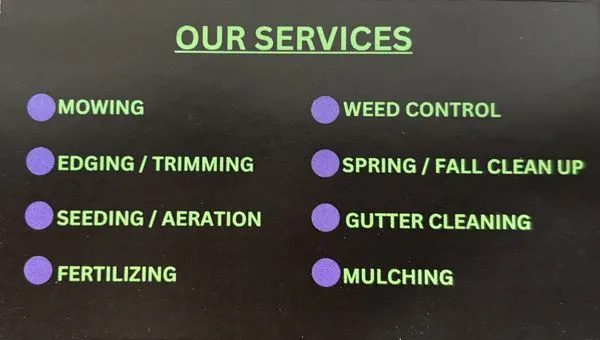
Level Change Lawn Care is a locally-owned lawn service provider in Clinton, MO, dedicated to solving common local landscaping issues. We specialize in comprehensive lawn care that directly addresses p...
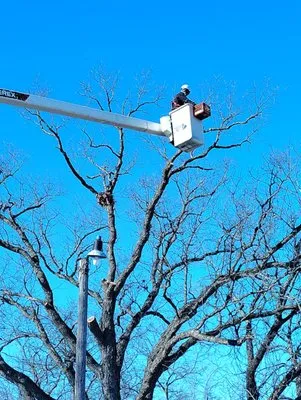
Ever since I was a child growing up in a small Missouri town, I found joy in working outdoors. Inspired by the pride a well-kept yard could bring to a community, I turned that childhood passion into W...
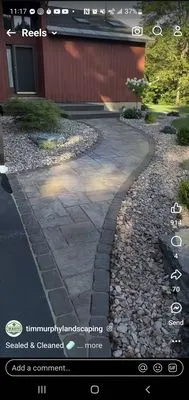
Prestige Lawn & Landscaping is a family-owned business serving Warsaw, MO, and the Benton County area with a focus on lawn care, demolition, and tree services. We combine an upscale approach to lawn m...
D&N Mowing and Landscaping is a White Township, MO-based company dedicated to providing honest and reliable lawn care and pressure washing services at prices that work for single-income households. We...
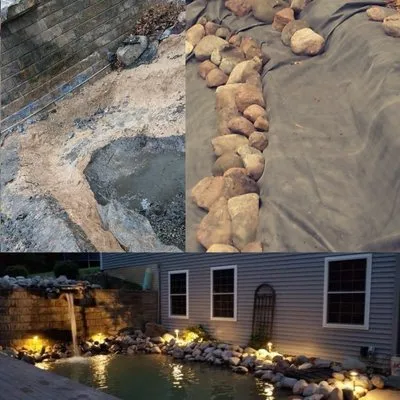
Trap Konstruction Services
Trap Konstruction Services in Branson, MO, is a local landscaping and design company specializing in comprehensive outdoor solutions for both residential and commercial properties. We offer a range of...
Artisan Creations in Pleasant Hill, MO, is your local partner for comprehensive landscaping and hardscaping solutions. We specialize in resolving common local issues like standing water and uneven spr...
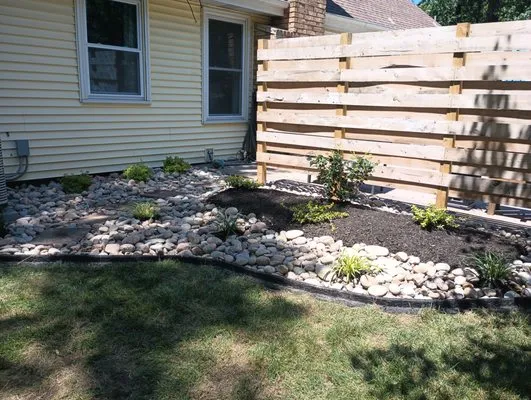
Teal's Lawn Service is a trusted Harrisonville, MO landscaping and tree care provider dedicated to solving common local yard challenges. Many homeowners in our area struggle with yard erosion and dyin...
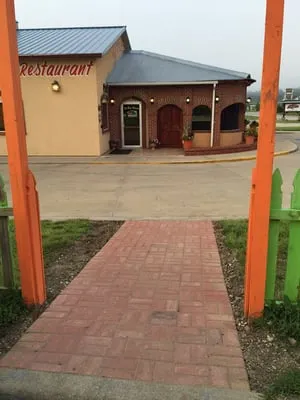
Beachner Lawn Care is a trusted landscaping provider serving Harrisonville, MO, and the surrounding areas. We specialize in diagnosing and treating common local lawn problems, including dead lawn area...

HD Lawn & Landscaping has been serving Warrensburg and surrounding communities since 2004, providing reliable residential and commercial lawn care. As a locally-owned business, we understand the speci...
Trott Lawn & Landscape Services is your trusted, licensed partner for outdoor enhancement in Warrensburg, MO. With over a decade of dedicated service to the local community, owner and operator Matt Tr...
Estimated Landscaping Service Costs in Appleton City, MO
Question Answers
Water pools in my backyard every spring. What's a lasting fix?
Seasonal ponding in Appleton City is often due to subsurface clay pockets within the silt loam, which have low permeability. A graded French drain system can intercept and redirect this water. For new patios or paths, using local limestone flagstone set with permeable jointing sand creates a hardscape that meets St. Clair County Planning & Zoning runoff standards by allowing water to percolate into the subsoil, directly mitigating the localized drainage hazard.
How can I maintain my Tall Fescue lawn during summer while conserving water?
Appleton City's voluntary conservation status makes smart water use imperative. Installing a Wi-Fi ET-based irrigation controller is the technical solution. It automatically adjusts runtime by calculating real-time evapotranspiration data, applying water only when and where your Tall Fescue needs it. This method can reduce water use by 20-30% compared to traditional timers, preserving soil moisture in silt loam and keeping your lawn healthy within municipal guidelines.
Is local limestone flagstone a better choice than wood for a new patio?
For longevity and low maintenance in Appleton City, local limestone flagstone is superior to wood. It is non-combustible, which contributes to maintaining your property's Low Fire Wise rating by not adding fuel within the defensible space. Limestone withstands freeze-thaw cycles in Zone 6b without rotting or warping, and its natural thermal mass moderates patio temperatures. While the initial cost is higher, its lifespan measured in decades offers a greater return on investment.
I want a beautiful, low-maintenance yard that supports pollinators. What do you recommend?
Transitioning high-input turf areas to a xeriscape of Missouri natives like Purple Coneflower, Butterfly Milkweed, Little Bluestem, and Wild Bergamot is a forward-looking strategy. These deep-rooted plants stabilize soil, require no fertilization once established, and need minimal watering. This shift also future-proofs your property against evolving noise ordinances by eliminating the need for gas-powered blowers and mowers, aligning with 2026 trends toward electric, quiet landscape management.
How quickly can you respond for an urgent HOA compliance or storm cleanup?
For emergency service from our base near Forest Park, we dispatch via MO-52, ensuring a standard 20-30 minute response to most Historic Downtown addresses. Our 2026 fleet includes electric maintenance equipment, allowing us to operate within the city's general nuisance ordinance window of 7:00 AM to 9:00 PM without noise violations. This enables immediate debris removal, branch clearing, or turf remediation to meet compliance deadlines efficiently and quietly.
Do I need a permit to regrade my backyard, and what qualifications should my contractor have?
Yes, significant regrading on a 0.25-acre lot typically requires a permit from the St. Clair County Planning & Zoning office to ensure proper stormwater management and adherence to lot coverage rules. More critically, the contractor must hold appropriate licensing through the Missouri Department of Agriculture for landscape installation and potentially a separate license for earth moving. This ensures they are bonded, insured, and knowledgeable about state erosion control and fertilizer application laws, protecting you from liability.
Why does my lawn struggle in the Historic Downtown area despite regular care?
Properties in Appleton City's Historic Downtown, with an average home built in 1969, feature 57-year-old soil systems. The prevalent silt loam has likely become compacted from decades of use, limiting root penetration and water infiltration for Tall Fescue. This compaction exacerbates the moderate seasonal ponding noted in low-lying clay pockets. A core aeration and application of composted organic matter are necessary to rebuild soil structure, increase permeability, and restore the natural pH balance of 6.2-6.8 for healthy turf.
What invasive species should I watch for, and how do I treat them safely?
In USDA Zone 6b, be vigilant for invasive species like Japanese knotweed or callery pear. Treatment must align with the state fertilizer ordinance prohibiting discharge into storm drains. This means targeted, manual removal or careful spot-application of herbicide, never during forecasted rain to prevent runoff. For persistent perennials, a professional treatment plan ensures eradication without violating local environmental protections or harming the native plant community.
