Top Landscaping Services in Wyoming, MN, 55013 | Compare & Call

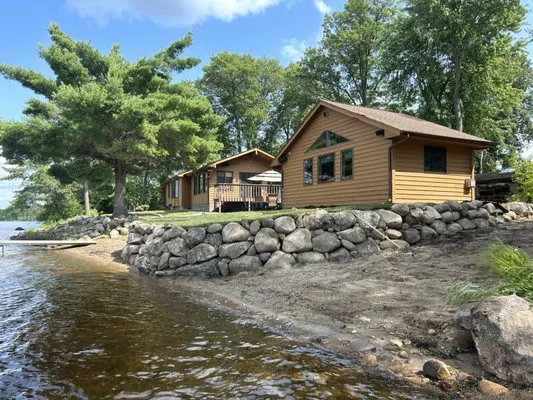
Canvasback Outdoor Services is a Wyoming, MN-based landscaping company founded in 2021, dedicated to enhancing residential properties across the state. Our team of landscape professionals specializes ...

Belair All Seasons is a trusted landscaping company serving Wyoming, MN and the surrounding communities. We specialize in comprehensive landscape maintenance and solutions tailored to our local climat...
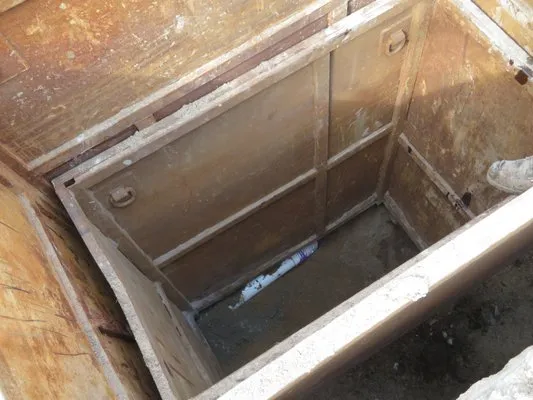
M & B SERVICES LLC is a trusted local landscaping company serving the Wyoming, MN community. We specialize in diagnosing and resolving the common yard problems that homeowners face in our area, such a...
Bellair All Seasons, LLP is a trusted local landscaping company serving Wyoming, MN, and the surrounding area. We specialize in comprehensive landscaping solutions tailored to the unique needs of our ...
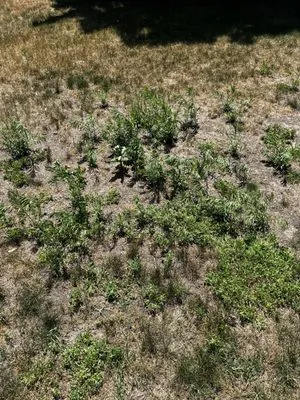
For over 45 years, SpringGreen has been a trusted local partner for Wyoming, MN homeowners, dedicated to cultivating beautiful and beneficial outdoor spaces. We specialize in a comprehensive approach ...
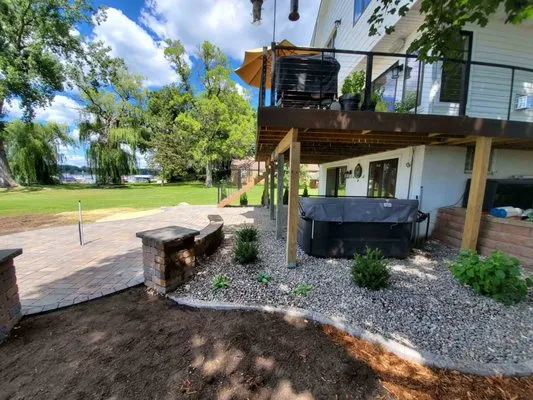
Peterson's Patios is a trusted Wyoming, MN landscape design firm dedicated to creating beautiful, durable outdoor living spaces that stand up to our unique local environment. We specialize in thoughtf...
C & E Lawn and Landscape is a trusted local provider in Wyoming, MN, specializing in snow removal and comprehensive landscaping services. We understand the common local challenge of dead lawn areas an...
Lino Lakes Landscaping is a trusted local landscaping company serving Wyoming, MN, and the surrounding areas. We specialize in comprehensive lawn care and maintenance solutions tailored to the unique ...

K4 Lawn Care, based in Wyoming, MN, is a locally owned and operated business founded in 2025 by Karl, who brings years of hands-on experience from various trades across the Midwest, including landscap...
Nick's Lawncare is a family-owned, fully insured and licensed LLC serving Wyoming, MN and the North Twin Cities metro area with over 10 years of experience. Based in nearby Princeton, we specialize in...
Question Answers
Can I maintain Kentucky Bluegrass under Stage 1 water restrictions in Wyoming?
Smart Wi-Fi ET-based controllers calculate evapotranspiration rates specific to Wyoming's microclimate, applying water only when soil moisture sensors indicate need. This technology reduces irrigation volumes by 25-40% compared to traditional schedules while preserving turf health. Programming follows municipal water conservation guidelines by avoiding midday watering and implementing cycle-soak methods that prevent runoff on sandy loam soils with high infiltration rates.
Why does my lawn in Wyoming City Center have drainage issues despite regular watering?
Wyoming lots built around 1993 have 33-year-old soil profiles where sandy loam has compacted over time. This soil type naturally has high permeability but loses structure without organic amendments, reducing water retention. Core aeration introduces oxygen and creates channels for root growth while incorporating compost improves moisture-holding capacity. The pH range of 6.2-6.8 indicates adequate acidity for most turf but requires monitoring as compaction alters nutrient availability.
What solutions prevent groundwater leaching on my Wyoming property?
Sandy loam's high infiltration rate requires engineered drainage that slows water movement while preventing nutrient leaching. Permeable concrete pavers with aggregate joints allow 80-90% of rainfall to percolate into subsoil layers, meeting Wyoming Building and Planning Department runoff standards. French drains with clean stone and geotextile fabric provide additional subsurface management, directing excess water away from foundations while maintaining soil structure.
What invasive species threaten Wyoming landscapes and how are they managed?
Buckthorn and creeping Charlie present primary invasion risks in Minnesota's Zone 4b, outcompeting natives and altering soil chemistry. Treatment involves mechanical removal followed by organic pre-emergent applications that comply with Minnesota's Phosphorus Fertilizer Law. Timing interventions for early May aligns with peak mulching season to suppress regrowth while avoiding prohibited fertilizer application windows. Regular monitoring prevents establishment through integrated pest management principles.
Are concrete pavers better than wood for Wyoming's climate and fire risk?
Concrete pavers with permeable joints offer superior longevity in Minnesota's freeze-thaw cycles compared to wood's 8-12 year lifespan. Their non-combustible nature supports Moderate Wildland-Urban Interface ratings by creating defensible space without fuel accumulation. The thermal mass moderates surface temperatures while the modular design allows for root expansion zones when installed with proper base preparation exceeding 12 inches of compacted aggregate.
How can I reduce maintenance while preparing for electric equipment mandates?
Replacing high-input Kentucky Bluegrass with Little Bluestem, Purple Coneflower, Butterfly Milkweed, and Prairie Dropseed creates self-sustaining plant communities adapted to Zone 4b conditions. These deep-rooted natives require no mowing, eliminate gas-powered equipment use ahead of noise ordinance expansions, and provide year-round habitat value. The transition reduces water demand by 70% while building soil organic matter through natural leaf litter decomposition.
What permits and licenses are required for regrading my Wyoming yard?
Grading on 0.45-acre lots requires Wyoming Building and Planning Department approval for earth moving exceeding 50 cubic yards. Contractors must hold Minnesota Department of Labor and Industry licensing for excavation work, with additional certification for stormwater management installations. These regulations ensure proper slope stabilization, prevent off-site sedimentation, and maintain drainage patterns that protect adjacent properties and municipal infrastructure.
How quickly can you respond to storm damage for HOA compliance in Wyoming?
Emergency cleanup crews dispatch from Wyoming City Hall with equipment meeting noise ordinance restrictions for electric operation. Routing via I-35 allows arrival within 20-30 minutes during peak conditions, prioritizing debris removal from public rights-of-way. This response time accommodates both safety protocols and municipal coordination requirements while addressing immediate landscape hazards on 0.45-acre properties common in the area.
