Top Landscaping Services in Wyanett, MN, 55008 | Compare & Call
There are 174 landscaping companies server in Wyanett MN
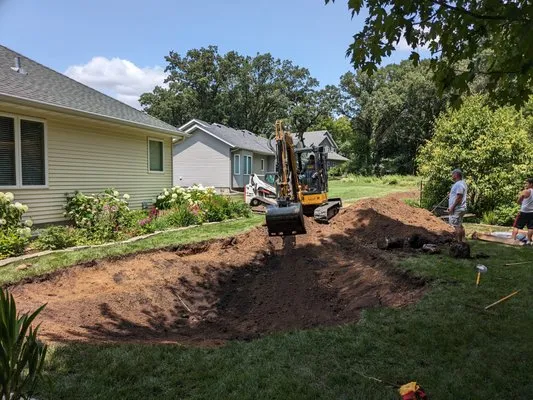
Platinum Lawn and Landscaping
Platinum Lawn and Landscaping is a full-service landscaping company serving residential and commercial properties throughout the greater St. Cloud, MN area. We specialize in transforming outdoor space...
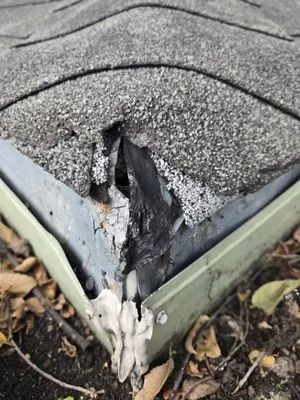
Kuntry's Landscaping Service in Coon Rapids, MN, is your local, hands-on landscape partner. I focus on delivering exactly what you envision, whether it's a custom landscape design, a durable artificia...
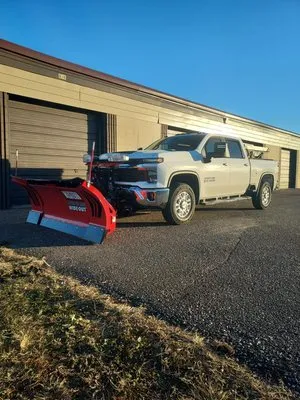
Back Forty Outdoor Services is a licensed landscaping and snow removal company serving Ramsey, MN, and surrounding areas including Anoka, Sherburne, Isanti, Mille Lacs, Hennepin, and Wright Counties. ...
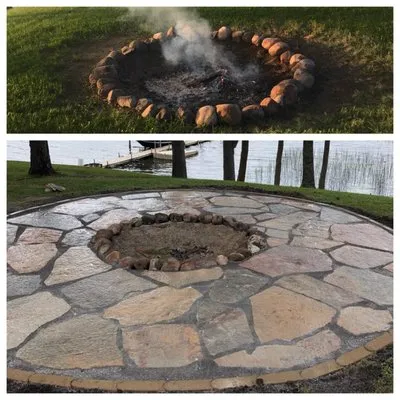
FYI Landscaping is a licensed, full-service landscaping company serving Dayton, MN and the greater Minneapolis area. With expertise spanning residential and commercial outdoor projects, we specialize ...
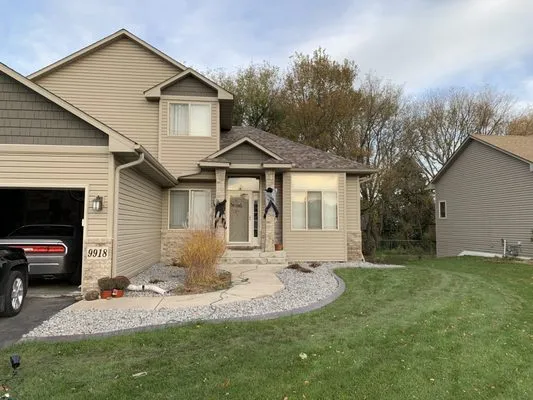
Founded in 2019 by Tyler, Northwood Outdoor Services is a Dayton-based landscaping and snow removal company dedicated to the northwest metro area. With years of hands-on experience, Tyler built the co...
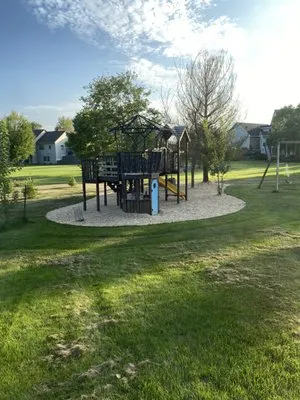
Ivan here, owner of Kretsu Lawn & Landscaping in Anoka. We're a local team dedicated to quality lawn care and landscape transformations. Our focus is on delivering reliable, professional results that ...
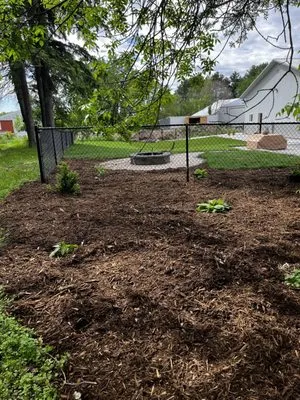
Since 2017, Clark Companies of Minnesota has been a trusted Elk River partner for comprehensive outdoor transformation. Our team provides a full-service approach, handling everything from the initial ...
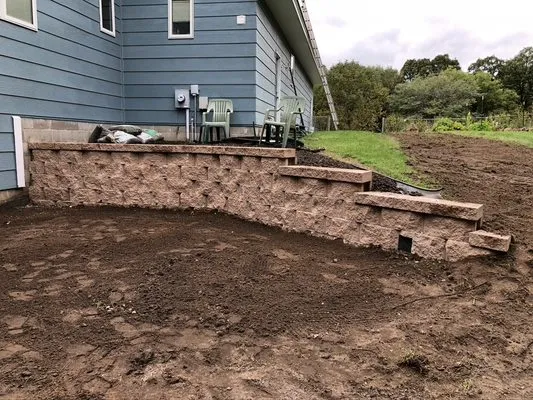
Element Landscaping is a licensed, locally-owned landscaping company serving Nowthen, MN, with a focus on residential hardscapes and comprehensive outdoor solutions. Founded by an owner with years of ...
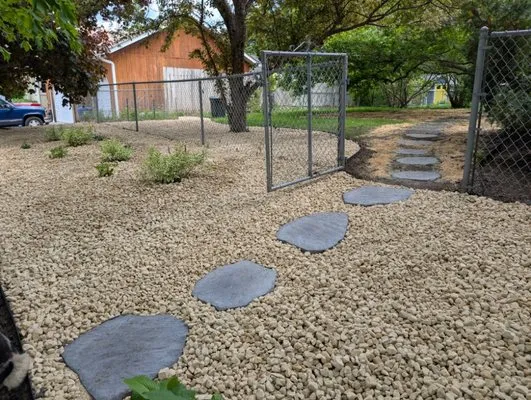
Sylvah Lining is an Elk River-based outdoor services company dedicated to enhancing both urban and rural landscapes. We focus on building strong community relationships through reliable, tailored solu...
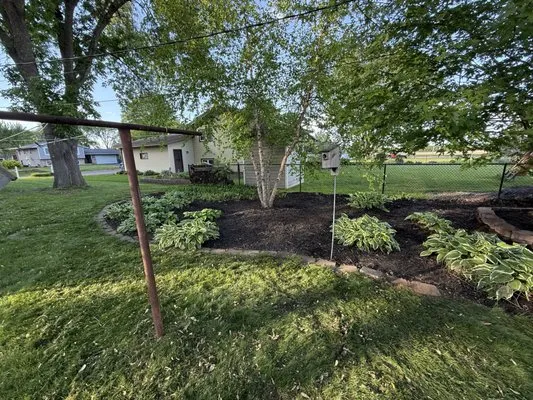
Cogers Landscaping is a Maple Grove, MN-based landscaping company dedicated to enhancing and maintaining the beauty of local homes. We specialize in comprehensive services including landscape design, ...
Estimated Landscaping Service Costs in Wyanett, MN
Question Answers
What permits and credentials should I verify before hiring for major grading or landscaping?
For significant earthwork or structural changes on a 2.5-acre property, verify the contractor holds appropriate licensing through the Minnesota Department of Labor and Industry. The Isanti County Zoning Administration may require a grading or land alteration permit, especially if work impacts drainage patterns or occurs near wetlands. Using an unlicensed entity for this scale of work can result in code violations, fines, and problems with property conveyance.
How fast can you respond for emergency storm cleanup or an HOA violation notice?
For time-sensitive requests, our electric fleet is dispatched from a staging area near the Isanti County Fairgrounds. The route via MN-47 to the Wyanett Township Residential Core allows for a 45-60 minute arrival during peak hours, factoring in traffic and debris clearance. Our battery-powered equipment operates within the local noise ordinance, permitting immediate work upon arrival without waiting for restricted hours to end.
Our yard is soggy for weeks in spring. What's the long-term fix?
Sandy loam soils in Wyanett have a high infiltration rate, but a seasonal high water table can cause prolonged saturation. The solution is not more drainage tile, but better surface management. Regrading to create subtle swales and using permeable materials like crushed granite or permeable concrete pavers for patios and walkways allows stormwater to infiltrate on-site. This approach often meets Isanti County Zoning Administration standards for managing runoff and recharging groundwater.
Are permeable pavers or crushed granite better than wood for a new patio?
For longevity and fire resilience, inorganic materials are superior. Permeable concrete pavers and crushed granite have a lifespan exceeding 25 years with minimal upkeep, unlike wood which decays and requires staining. In Wyanett's Moderate Wildland-Urban Interface rating, these materials also contribute to defensible space by creating a non-combustible zone around structures. Their permeability manages runoff effectively, aligning with best practices for soil and water conservation on your 2.5-acre lot.
My lawn is patchy and drains poorly. Is this just bad luck?
This is a predictable soil maturity issue for Wyanett Township lots developed around 1993. Soils here are primarily sandy loam. Over 33 years of standard mowing and foot traffic, the critical organic matter layer has depleted, causing compaction and reduced permeability. The high infiltration rate of the native soil, combined with a seasonal high water table, exacerbates poor drainage. Core aeration and top-dressing with composted organic matter are required to restore soil structure and function.
What should I do if I spot an invasive plant like Buckthorn or Creeping Bellflower?
Immediate, targeted action is required. For woody invasives like Buckthorn, cut-stump treatment with an approved herbicide in late fall is most effective. For herbaceous types, careful digging to remove all root fragments is necessary. Importantly, any response must comply with Minnesota's Phosphorus Lawn Fertilizer Law; most invasive treatments do not require fertilizer, but if a soil test indicates a deficiency post-removal, use only a zero-phosphorus product unless establishing new turf.
Is there a lower-maintenance alternative to a traditional grass lawn?
Yes. Transitioning perimeter areas to a native plant community using species like Big Bluestem, Butterfly Milkweed, Wild Bergamot, and Purple Prairie Clover significantly reduces water, mowing, and chemical inputs. These deep-rooted perennials are adapted to Zone 4a and support local biodiversity. This shift preempts future noise and emissions regulations, as these plantings require minimal maintenance and eliminate the need for frequent gas-powered blower and mower use.
How do we keep our Kentucky Bluegrass lawn green during voluntary water restrictions?
Stage 1 voluntary conservation requires precise water management. Smart Wi-Fi soil moisture sensor controllers are essential, as they irrigate based on actual evapotranspiration (ET) and root zone saturation, not a fixed schedule. This technology can reduce potable water use by 30-40% while preserving the cool-season grass mix. Deep, infrequent watering cycles encourage deeper root growth, making the turf more resilient during dry periods common in Zone 4a.
