Top Landscaping Services in Willmar, MN, 56201 | Compare & Call
There are 52 landscaping companies server in Willmar MN
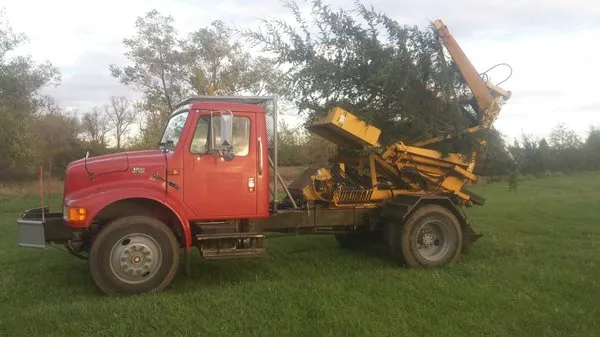
Robben Tree Spading is a family-owned and operated service based in Watkins, MN, dedicated to the careful movement and care of trees. We specialize in transplanting trees up to 5 inches in diameter us...
Alpha Outdoor Solutions is your trusted, local partner in Princeton, MN, for comprehensive outdoor services. We specialize in professional pest control, precise excavation, and meticulous lawn care to...
Estimated Landscaping Service Costs in Willmar, MN
Q&A
What permits and licenses are needed for grading my 0.25-acre property?
Willmar Planning and Development Services requires grading permits for significant earthmoving, especially near property lines or drainage ways. Contractors must hold appropriate licensing through the Minnesota Department of Labor and Industry, ensuring compliance with erosion control and stormwater management regulations. Professional oversight prevents soil compaction issues and ensures proper slope establishment for long-term landscape stability.
Are concrete pavers better than wood for patios in our climate?
Concrete pavers and crushed granite offer superior longevity in USDA Zone 4b, resisting freeze-thaw cycles better than wood. These materials also support Firewise principles by creating defensible space in Moderate Wildland-Urban Interface zones, reducing flammable vegetation near structures. Their permeability aids drainage while providing durable surfaces that require minimal maintenance compared to wood's decay and replacement needs.
Why does my Southwest Willmar lawn struggle with compaction and poor drainage?
Homes built around 1973 have soil that has matured for over 50 years, developing dense layers in Glacial Till Loam. This soil type naturally compacts over decades, reducing permeability and creating seasonal water table issues. Core aeration with organic amendments like compost improves soil structure by increasing pore space for root growth and water infiltration. Regular soil testing helps maintain the optimal pH range of 6.8-7.5 for turf health.
How should I handle invasive species like buckthorn or creeping Charlie in my yard?
Manual removal or targeted herbicide applications during active growth periods effectively control invasives without violating Minnesota's phosphorus restrictions under Statute 18C.60. Avoid treatments during blackout dates in early spring to protect water quality. Regular monitoring and establishing competitive native plantings prevent re-infestation while maintaining soil health and ecological balance.
How quickly can you respond to an emergency tree cleanup after a storm?
Our electric maintenance fleet can dispatch from Robbins Island Regional Park via US Highway 12, reaching Southwest Willmar properties within 20-30 minutes during peak conditions. This rapid response meets HOA compliance deadlines while minimizing noise impact under standard ordinance limits. We prioritize safety assessments and debris removal to restore property access and prevent further damage.
Can I reduce maintenance by replacing some lawn with native plants?
Transitioning high-maintenance turf areas to Purple Prairie Clover, Little Bluestem, Swamp Milkweed, and Wild Bergamot creates resilient, low-water landscapes. These natives support local pollinators and require minimal mowing, aligning with evolving noise ordinances that may restrict gas-powered equipment. Strategic planting enhances biodiversity while reducing irrigation needs by up to 50% compared to traditional turf.
What solutions exist for yards with poor infiltration and seasonal high water tables?
Glacial Till Loam's slow permeability requires engineered drainage systems like French drains or dry wells to redirect subsurface water. Using permeable concrete pavers or crushed granite for hardscapes reduces surface runoff, meeting Willmar Planning and Development Services standards. Grading soil to create gentle slopes away from foundations complements these measures, preventing water accumulation during spring thaws.
How do I maintain my Kentucky Bluegrass and Fine Fescue blend during dry spells without wasting water?
Wi-Fi ET-based weather sensing irrigation adjusts watering schedules using real-time evapotranspiration data, applying only the moisture your turf needs. This technology prevents overwatering while supporting deep root systems, crucial for surviving voluntary conservation periods. Programming zones based on sun exposure and soil type further optimizes efficiency, keeping your lawn healthy within municipal water limits.
