Top Landscaping Services in Wayzata, MN, 55391 | Compare & Call
There are 195 landscaping companies server in Wayzata MN
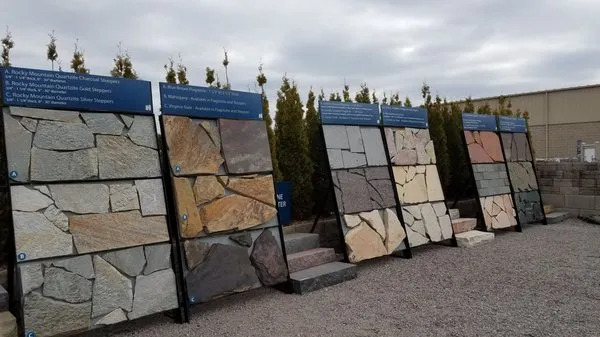
SiteOne Landscape Supply
SiteOne Landscape Supply in Plymouth, MN, carries forward a deep-rooted legacy of supplying the Twin Cities with quality materials. The company's history traces back over a century to the early 1900s ...
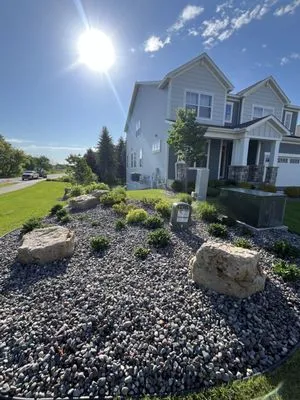
High Country Services is a residential and commercial landscaping company based in Elk River, MN, founded in 2024 with over 10 years of industry experience. Starting at age 16 and working through coll...

Harvest Moon Edible Landscapes, founded by Dina Kountoupes and Krista Leraas in 2011, brings a deep-rooted commitment to sustainable food production and garden education from its origins in a nonprofi...
Lawn & Turf Corp
Lawn & Turf Corp is a family-owned and operated lawn care and snow removal service that has been serving the Minneapolis/St. Paul area since 1979. We provide comprehensive landscaping and maintenance ...
DB Property Maintenance was founded in 2016 by an owner who grew frustrated with companies prioritizing profits over customer satisfaction. Based in Minneapolis, MN, we've built our business on puttin...
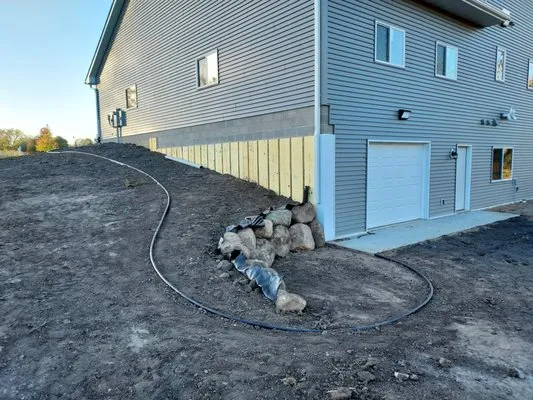
Premier Patio and Landscape, LLC brings three decades of specialized landscaping and hardscaping expertise to Shakopee, MN. As the owner, I personally guide each project from initial consultation thro...
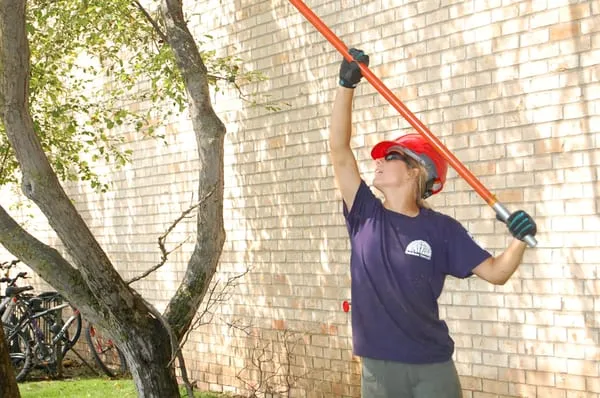
Rainbow Treecare started in a Minnetonka garage in 1976 with a mission to save elms from Dutch Elm Disease. Today, as a 100% employee-owned company, we've grown into a trusted local leader in tree hea...
TruGreen Lawn Care in Minnetonka, MN, is a local provider of comprehensive lawn and tree services, dedicated to helping residents maintain healthy, vibrant outdoor spaces. We offer tailored lawn care ...
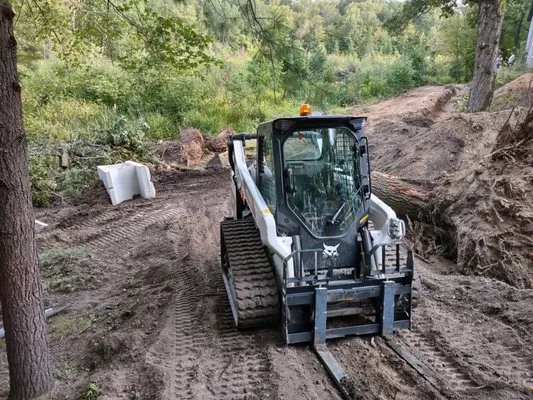
Darryl Waletzko LLC is a locally owned and operated landscaping and snow removal company serving Big Lake, MN, and the wider Twin Cities area. Founded by Darryl Waletzko, the business is built on a co...
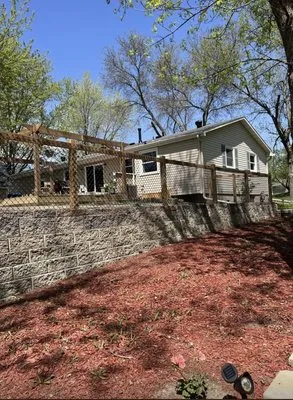
J&M's Fencing is a trusted Bloomington, MN contractor specializing in fencing, gates, and lawn services. We help local homeowners address common landscaping challenges like shifting rock gardens and p...
Estimated Landscaping Service Costs in Wayzata, MN
Questions and Answers
What drainage solutions work best for properties near Lake Minnetonka?
High runoff toward Lake Minnetonka requires permeable concrete pavers and Kasota limestone installations that meet Wayzata Planning and Building Department standards. These materials provide 30-40% surface permeability compared to traditional asphalt's 2-5%. Subsurface French drains with clean stone aggregate redirect water from foundation areas while filtering sediments. The loamy glacial till soil benefits from graded swales that slow water movement and allow natural percolation into the water table.
What permits and licenses are needed for grading work on our 0.35-acre lot?
Grading projects exceeding 50 cubic yards require Wayzata Planning and Building Department permits with engineered drainage plans. The Minnesota Department of Labor and Industry licenses contractors for earthwork affecting property lines or drainage patterns. Professional licensing ensures compliance with sediment control ordinances protecting Lake Minnetonka watersheds. Lot size determines whether projects fall under minor grading permits or require full site plan review with neighbor notification requirements.
Can we maintain Kentucky Bluegrass and Fine Fescue turf under Stage 1 water restrictions?
Smart Wi-Fi irrigation controllers with soil moisture sensors optimize Kentucky Bluegrass and Fine Fescue health within voluntary conservation limits. These systems use ET-based scheduling that adjusts watering to actual evapotranspiration rates rather than fixed timers. Soil sensors prevent irrigation during adequate moisture conditions, reducing consumption by 30-40% while maintaining turf density. Municipal water limits are respected through zone-specific programming that prioritizes high-traffic areas over ornamental beds.
How should we handle invasive species without violating fertilizer regulations?
Buckthorn and garlic mustard invasions require mechanical removal during dormancy to avoid triggering the statewide phosphorus ban. Spot treatment with glyphosate alternatives like horticultural vinegar follows DNR guidelines for urban interface zones. Soil testing determines if micronutrient amendments are needed rather than blanket fertilization. Treatment timing avoids blackout dates by scheduling before spring green-up or after fall senescence when plants are most vulnerable.
Why choose permeable pavers over wood for patio installations?
Permeable concrete pavers and Kasota limestone provide 25+ year longevity compared to wood's 10-15 year lifespan in Minnesota's freeze-thaw cycles. These materials meet moderate Firewise rating requirements by creating defensible space without combustible organic matter. The thermal mass of stone moderates temperature extremes better than wood decking. Properly installed permeable hardscapes manage runoff without additional drainage infrastructure while maintaining structural integrity through seasonal ground movement.
Our Birchwood neighborhood soil seems compacted. What's the best approach for improving it?
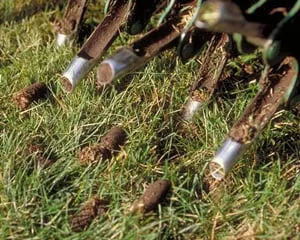
Birchwood lots in Wayzata typically have loamy glacial till soil with pH 6.5-7.2 that has matured for 43 years since the average 1983 construction. This aging soil profile often develops compaction layers that restrict root penetration and water infiltration. Core aeration every 2-3 years combined with organic amendments like composted leaf mold addresses permeability issues. The glacial till composition benefits from mycorrhizae inoculants to rebuild soil structure without disrupting the established pH balance.
How quickly can you respond to an emergency tree cleanup after a storm?
Emergency storm response from our Wayzata Depot location via US-12 reaches Birchwood within 20-30 minutes during peak conditions. This routing prioritizes arterial roads while avoiding residential bottlenecks common in lake-adjacent neighborhoods. Our electric maintenance fleet operates within the 7 AM to 9 PM noise ordinance window without power restrictions. HOA compliance issues receive same-day assessment with documentation for insurance claims.
What are the benefits of replacing traditional turf with native plants?
Transitioning to Purple Coneflower, Wild Bergamot, Little Bluestem, and Swamp Milkweed reduces maintenance frequency ahead of tightening gas-powered equipment regulations. These natives require no fertilization under Minnesota's phosphorus ban and support 2026 biodiversity targets for pollinators. Electric maintenance equipment handles native plant care within noise ordinance hours without emissions. Established native plantings use 70% less water than conventional turf while providing year-round visual interest.
