Top Landscaping Services in Waverly, MN, 55390 | Compare & Call

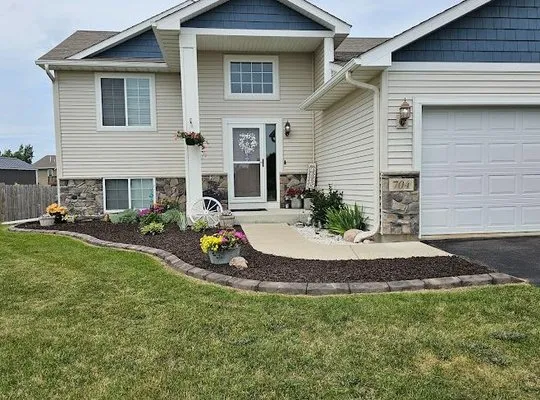
Advanced Curbing Concepts serves the Waverly, MN community by blending landscape design with functional curbing solutions. We focus on creating durable, custom concrete borders that not only enhance y...
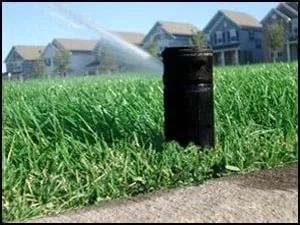
Dream Green Irrigation and Lawn Care is your trusted, local partner for creating and maintaining beautiful, healthy outdoor spaces in Waverly, MN. We understand the specific challenges Waverly homeown...
Frequently Asked Questions
With Waverly's Stage 1 voluntary water conservation, how can we maintain healthy Kentucky Bluegrass without exceeding municipal limits?
Smart Wi-Fi ET-based weather sensing irrigation systems automatically adjust watering schedules using real-time evapotranspiration data. These systems reduce water use by 20-30% compared to traditional timers while preserving Kentucky Bluegrass and Fine Fescue turf health. Programming deep, infrequent watering encourages deeper root growth and drought tolerance. The technology syncs with local weather forecasts to skip irrigation during rainfall, ensuring compliance with conservation measures.
We want to reduce weekly mowing and gas-powered equipment use. What native plants could replace some turf areas?
Transitioning to Big Bluestem, Butterfly Milkweed, Wild Bergamot, and Prairie Dropseed creates low-maintenance, drought-tolerant landscapes. These native species require minimal watering once established and support local pollinators. Reduced mowing areas decrease noise pollution, aligning with evolving restrictions on gas-powered blowers. The deep root systems of these plants improve soil structure and sequester carbon more effectively than traditional turf.
We've spotted creeping Charlie spreading in our lawn. How do we treat it without violating fertilizer regulations?
Creeping Charlie (Glechoma hederacea) thrives in moist, shaded areas of Minnesota lawns. Manual removal with a dethatching rake before seed set prevents spread without chemicals. Spot-treating with iron-based herbicides in early fall avoids spring phosphorus application blackout dates under Minnesota law. Improving soil drainage and sunlight penetration through selective pruning reduces invasive species habitat. Always verify treatment timing against local ordinance calendars.
We want to regrade our 0.25-acre lot to improve drainage. What permits and contractor qualifications should we verify?
Grading projects altering water flow patterns require Wright County Planning and Zoning permits to ensure compliance with erosion control and runoff management standards. Contractors must hold Minnesota Department of Labor and Industry licensing for excavation work exceeding certain depth thresholds. On 0.25-acre lots, even minor elevation changes can affect neighboring properties, necessitating professional surveys. Licensed contractors carry insurance protecting against frost heave or drainage system failures post-installation.
We need emergency storm cleanup to meet HOA compliance by tomorrow. How quickly can a crew reach our Downtown Historic District property?
Emergency crews dispatch from Waverly City Park via US-12, arriving within 45-60 minutes during peak response times. This route optimizes access to historic district properties while accounting for traffic patterns. Crews prioritize safety assessments before debris removal, focusing on fallen branches and drainage blockages. All work complies with local noise ordinances restricting operations to 7:00 AM-9:00 PM hours.
Our Waverly home was built in 2003. Why does the soil in our Downtown Historic District yard feel compacted and drain poorly after rain?
Soil maturity in your yard is approximately 23 years (2026 minus 2003 construction). Loam and clay loam soils in Waverly's historic district naturally compact over time due to construction equipment and foot traffic, reducing permeability. Core aeration every 1-2 years improves soil structure by creating channels for air, water, and nutrients. Adding 1-2 inches of composted organic matter annually enhances microbial activity and water retention in these pH 6.5-7.2 soils.
Our clay loam soil holds water for days after storms, and we worry about frost heave damage. What drainage solutions work best?
High seasonal water tables and frost heave risks require permeable hardscape materials like crushed limestone or concrete pavers with open joints. These allow surface water infiltration rather than runoff, reducing hydrostatic pressure that causes heaving. French drains with clean gravel and perforated pipe at 12-18 inch depths redirect groundwater away from foundations. Wright County Planning and Zoning permits often require such systems to manage stormwater runoff effectively.
We're considering a new patio. How do concrete pavers compare to wood for longevity and fire safety in our area?
Concrete pavers offer 25+ year lifespans with minimal maintenance, while wood decks typically require replacement every 10-15 years in Minnesota's climate. Non-combustible pavers contribute to defensible space requirements in Waverly's Moderate Wildland-Urban Interface rating. Crushed limestone pathways provide additional firebreaks without fueling potential spread. These materials withstand freeze-thaw cycles better than wood and don't require chemical treatments that could leach into soil.
