Top Landscaping Services in Waite Park, MN, 56301 | Compare & Call
There are 132 landscaping companies server in Waite Park MN

Supreme Lawn and Landscaping has been a trusted Waite Park, MN landscape company since 1990, building and maintaining beautiful outdoor spaces for homes and businesses. As a licensed and insured contr...
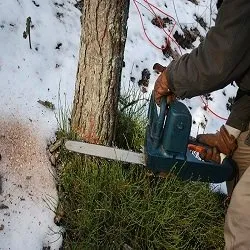
Ace Tree & Landscape is a trusted Saint Cloud, MN provider of comprehensive tree and landscaping services. We specialize in landscape maintenance, tree care, pruning, trimming, and removal to keep you...

Thomsens Garden Center in St. Joseph, MN, is a locally owned and operated garden center with deep roots in the community. Founded over 30 years ago by Bob and Bonnie Thomsen, Midwest natives and St. J...

Klein Landscaping & Nursery is a St. Cloud, MN-based company specializing in comprehensive landscape design, construction, and horticultural solutions. As a full-service nursery and landscaping contra...
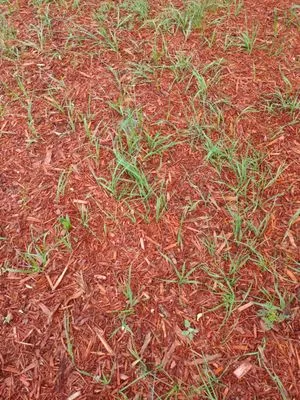
Granite City Sod & Landscape
Granite City Sod & Landscape has been a trusted part of the Saint Cloud community since 2004. We are a licensed and insured team dedicated to enhancing Central Minnesota properties with reliable, high...
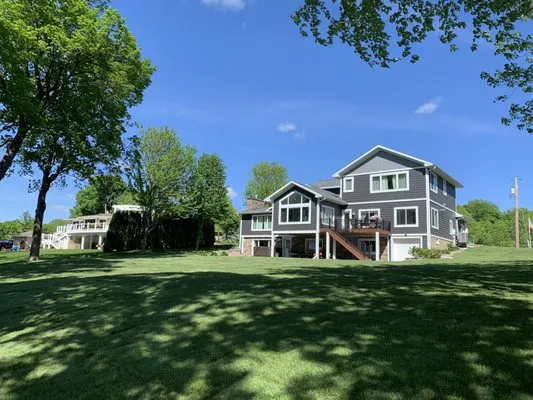
Don Green's Dirt Service is a family-owned excavation and landscaping business serving Saint Cloud and the surrounding area. We take pride in putting our customers first, ensuring you're involved ever...

Affordable Lawn Services in Sauk Rapids is a locally owned and operated company dedicated to keeping residential properties looking their best throughout the year. We offer comprehensive lawn care, in...
Ehlinger Lawn Service is a family-owned lawn care provider serving St Joseph and Central Minnesota since 1996. We specialize in comprehensive lawn maintenance for both residential and commercial prope...

Custom View Tree & Landscape is a St. Cloud-based, woman-owned business established in 2008 by Lea Kelley, who brings decades of industry experience dating back to 1994. Founded on the principle of ed...

MC's Lawn & Landscaping is a St. Cloud, MN-based company with deep roots in the community, founded by Mike in 2003. With over two decades of dedicated service to both residential and commercial client...
Estimated Landscaping Service Costs in Waite Park, MN
Q&A
Does regrading my 0.25-acre yard require a permit or a licensed contractor?
Significant regrading that alters water flow or involves substantial cut and fill typically requires review by the Waite Park Planning & Community Development office to ensure compliance with drainage and erosion codes. For the technical execution, the Minnesota Department of Labor and Industry requires that such earthwork be performed by a licensed Residential Contractor or a licensed Excavator. This ensures the work meets structural and safety standards for a property of this size.
My HOA cited me for storm damage debris; how fast can you respond for an emergency cleanup?
Our standard emergency dispatch for Riverside Estates originates near Riverside Park, utilizing MN-23 for direct access. This routing allows for a confirmed 20-30 minute arrival during peak response windows. We coordinate with you upon dispatch to secure the site and begin immediate debris management, utilizing electric equipment to comply with local noise ordinances during operational hours.
Why does my soil in Riverside Estates seem so compacted and lifeless?
Properties built around 1990, like many in this neighborhood, have soils approximately 36 years into development. The native Loamy Sand was heavily disturbed during construction, stripping organic matter and degrading structure. This history leads to compaction, poor water infiltration, and low biological activity. Core aeration combined with top-dressing compost is essential to rebuild soil porosity and support a healthy root zone for your turf and plantings.
Are concrete pavers a better long-term choice than wood for a new patio?
Yes, for durability and lifecycle cost. Concrete pavers and granite aggregate have far greater longevity than wood, resisting rot, insect damage, and moisture degradation prevalent in our climate. Their non-combustible nature also contributes to defensible space, which is a consideration for maintaining Waite Park's Moderate Fire Wise rating. Properly installed with a permeable base, they mitigate the frost heave risk common here.
How can I keep my Kentucky Bluegrass lawn healthy during Waite Park's voluntary water conservation?
Smart Wi-Fi ET-based irrigation systems are calibrated for Zone 4b, applying water only when evapotranspiration data indicates plant need. This technology precisely matches output to your lawn's requirements, often reducing water use by 20-30% compared to traditional timers. It ensures your Fine Fescue mix receives deep, infrequent watering that encourages drought tolerance while fully respecting Stage 1 conservation guidelines.
My yard has persistent soggy areas in spring and heaving pavers in winter; what's the cause?
This is a classic symptom of the seasonal high water table and frost heave hazard in our Loamy Sand soils. The sand fraction allows quick saturation, while limited permeability in the subsoil traps water. Installing a French drain system and replacing impervious surfaces with permeable concrete pavers or granite aggregate can redirect subsurface water. These solutions also help new projects meet the Waite Park Planning & Community Development's stormwater runoff standards.
I want to reduce mowing and gas equipment noise; what are my options?
Transitioning turf areas to a xeriscape with native plants like Purple Coneflower, Little Bluestem, and Butterfly Milkweed significantly cuts maintenance. These deep-rooted perennials require no mowing, minimal water after establishment, and provide critical habitat. This approach future-proofs your landscape against evolving noise ordinances targeting gas-powered blowers and mowers, while aligning with 2026 biodiversity and resilience goals.
What invasive species should I watch for, and how do I treat them without banned fertilizers?
High-priority invasive alerts for this area include Buckthorn and Creeping Bellflower. Manual removal for young plants and targeted, systemic herbicide application for mature specimens are the most effective controls. All treatments are planned outside of sensitive ecological windows and strictly avoid phosphorus-containing products, in full compliance with Minnesota's statewide turf fertilizer ban. Soil health is then supported with organic, phosphorus-free amendments.
