Top Landscaping Services in Sunrise, MN, 55002 | Compare & Call
There are 175 landscaping companies server in Sunrise MN
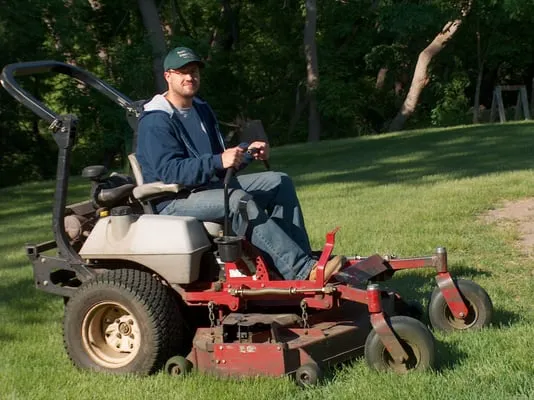
Dave's Green Thumb Lawn Care is a trusted, locally-owned landscaping service based in St Paul, Minnesota. For over a decade, Dave has built a reputation on providing high-quality, reliable lawn and sh...
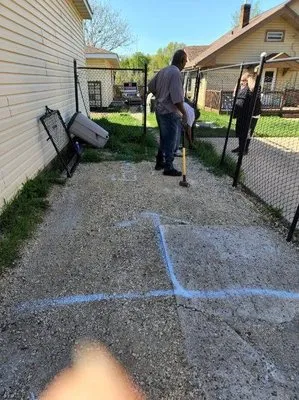
C Stone Landscape is a Saint Paul-based landscaping and snow removal contractor dedicated to enhancing Twin Cities properties. We specialize in comprehensive hardscaping and softscaping, from driveway...
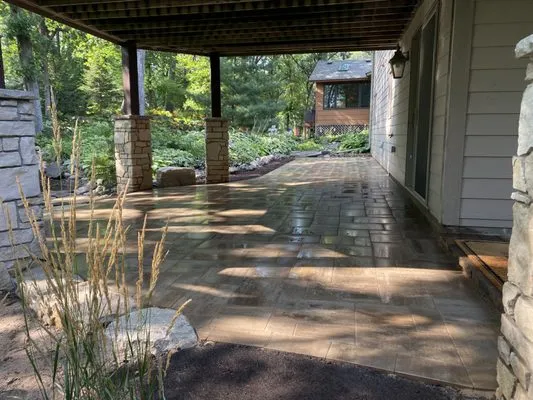
Friedrich Landscape
Friedrich Landscape is a Maplewood-based landscaping company founded and operated by Alex, who brings both academic expertise and hands-on experience to every project. After starting the business in h...
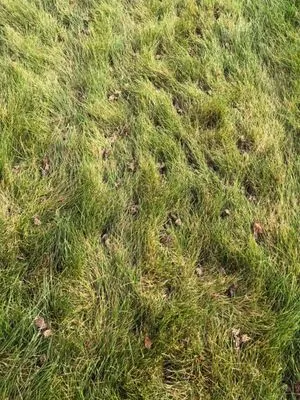
Fertilawn is a family-owned lawn care and landscaping service based in Bloomington, MN, with deep roots in the community since 1978. For over 35 years, they have provided reliable, personalized care f...
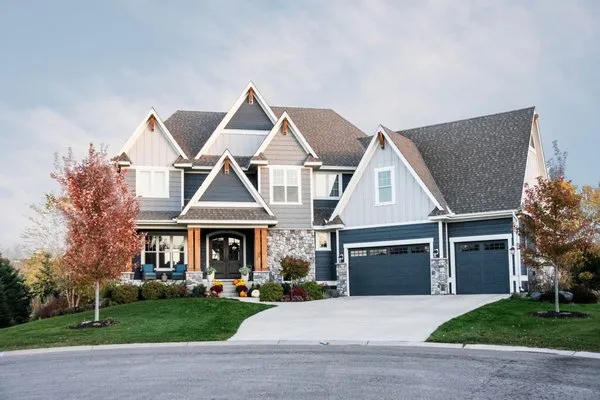
Landscapes Unlimited
Landscapes Unlimited is a family-owned and operated landscaping design and build company serving Saint Paul Park and the Twin Cities area since 2008. Founded by Chris Holmgren, who brings over 15 year...

1More Lawn Care is a Mahtomedi-based lawn service provider dedicated to maintaining beautiful outdoor spaces for local homeowners. We specialize in comprehensive lawn care solutions tailored to the un...
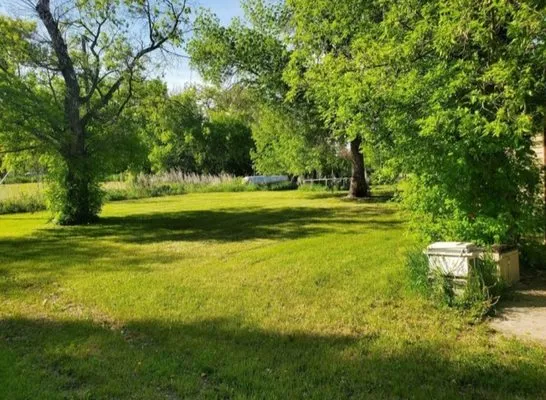
Rays Lawn and Gardening Services
Rays Lawn and Gardening Services is a Minneapolis-based company dedicated to transforming outdoor spaces into thriving, beautiful environments. Founded by individuals passionate about landscaping and ...
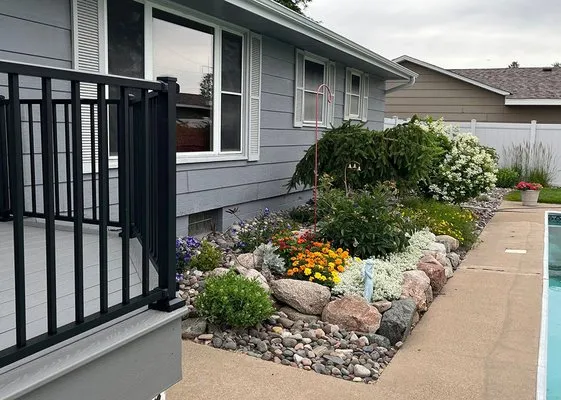
Shades of Green Landscaping
For over 30 years, Shades of Green Landscaping has been the trusted local source for comprehensive landscape design and construction in Anoka, MN. We specialize in transforming both residential and co...
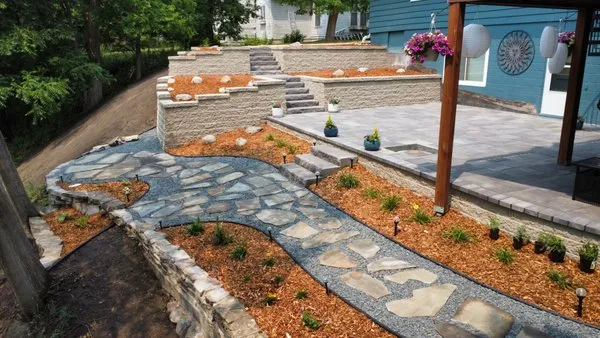
Rejuvenate Landscaping and Design
Rejuvenate Landscaping & Design was founded in Princeton by Cory Hicks, a combat veteran who applies military values of integrity and attention to detail to every project. With a background in the ind...
Pristine Lawn Care is a veteran-owned, Blaine-based company providing dependable lawn, tree, and snow services. We understand the unique needs of properties in our community, from residential homes to...
Estimated Landscaping Service Costs in Sunrise, MN
FAQs
How do I control invasive species without violating fertilizer laws?
For common invasives like creeping Charlie in Sunrise, spot treatment with iron-based herbicides avoids phosphorus restrictions under MN Statute 18C.60. Apply during active growth phases in early June or late August, avoiding blackout dates near water bodies. Manual removal combined with dense native plantings creates competitive exclusion, reducing future chemical needs while maintaining soil health.
What permits are needed for grading my 0.45-acre lot?
Grading projects exceeding 50 cubic yards of soil movement require Chisago County Environmental Services review for erosion control compliance. Minnesota Department of Labor and Industry licensing mandates that contractors performing this work hold specific earthwork classifications. On 0.45-acre parcels, even modest regrading often triggers these requirements due to potential impacts on neighboring properties and municipal drainage systems.
How can I maintain my Kentucky Bluegrass lawn during Stage 1 water restrictions?
Soil moisture sensor automated controllers optimize irrigation by delivering water only when ET rates indicate need, typically reducing usage 20-30%. This technology preserves turf health while staying within voluntary conservation limits. Programming zones for the fine fescue blend areas separately further enhances efficiency, as these grasses require less frequent watering than pure Kentucky Bluegrass stands.
How quickly can you respond to an emergency tree cleanup after a storm?
Our battery-electric fleet operates within Sunrise's 8 PM to 7 AM noise restrictions, enabling rapid deployment. From Sunrise City Hall and Public Park, we route via MN-95 to reach most Sunrise River District locations within 45-60 minutes during peak storm conditions. This response time accommodates HOA compliance deadlines while minimizing disruption to neighborhood traffic patterns.
Should I replace high-maintenance turf with native plants?
Transitioning to Big Bluestem, Butterfly Milkweed, Wild Bergamot, and Purple Prairie Clover reduces mowing frequency by 80% and eliminates gas-powered equipment noise. These USDA Zone 4a natives establish deep root systems that improve soil structure and require no irrigation after establishment. This approach aligns with Sunrise's voluntary transition to battery-electric maintenance while supporting 2026 biodiversity targets.
Why does my Sunrise River District lawn have drainage issues and compacted soil?
Sunrise properties built around 1989 have soil that has matured for approximately 37 years. The slightly acidic sandy loam common in this neighborhood tends to compact over decades of standard maintenance, reducing permeability. Core aeration every 2-3 years with organic amendments like composted leaf mold addresses this by improving soil structure and water infiltration while maintaining the optimal pH 6.2-6.5 range for turf health.
Are local granite pavers better than wood for patio construction?
Local granite offers 50+ year durability versus wood's 15-20 year lifespan in Sunrise's freeze-thaw cycles. Its non-combustible nature supports Moderate Fire Wise ratings by creating defensible space in wildland-urban interface zones. Permeable installation methods with gravel bases further enhance drainage compared to wood's moisture retention, which can accelerate deterioration in saturated spring conditions.
What solutions prevent frost heave damage in Sunrise's spring-saturated soils?
Seasonal frost heave in sandy loam soils requires subsurface drainage systems with proper slope calculations. Installing permeable concrete pavers instead of solid surfaces reduces surface runoff by 40-50%, meeting Chisago County Environmental Services standards. French drains connected to dry wells provide additional capacity for spring thaw periods when soil permeability is lowest.
