Top Landscaping Services in Stillwater, MN, 55082 | Compare & Call

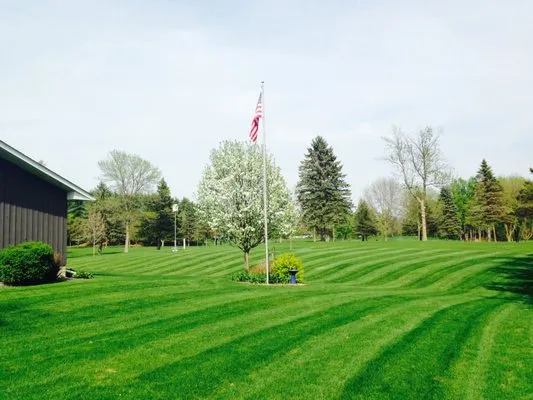
St Croix Valley Lawn & Pool has been a trusted Stillwater, MN provider of comprehensive outdoor property care since 1995. We specialize in residential lawn maintenance and full-service pool care, serv...

Yardmasters Landscapes brings over five decades of family-owned expertise to the Stillwater community. Since 1968, we've been designing and building custom landscapes that thrive in Minnesota's season...
A Helping Hand Yard Maintenance is a Stillwater-based landscaping company founded in 2014 by owner Joshua Thron. With years of hands-on experience working for other lawn care companies before starting...
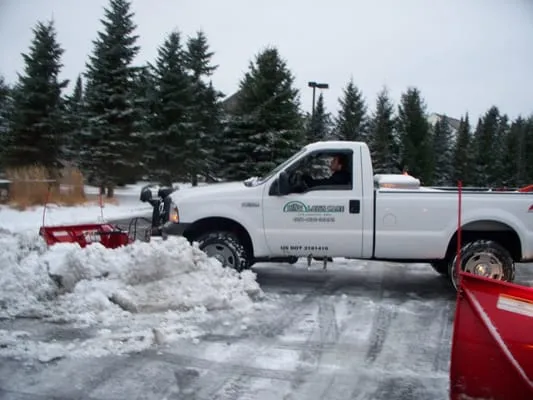
Ring Lawn Care is a family-owned and operated lawn care service based in Stillwater, MN, with deep roots in the community. Founded in 2002, our passion for lawn care began in childhood and grew throug...
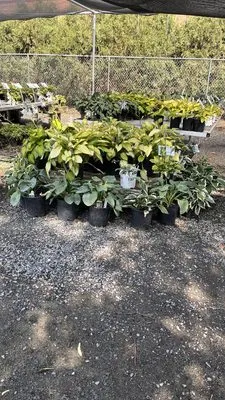
Abrahamson Nurseries
For nearly a century, Abrahamson Nurseries has been a trusted resource for Stillwater-area homeowners, providing expert guidance and quality plants from their local garden centers in Scandia and St. C...
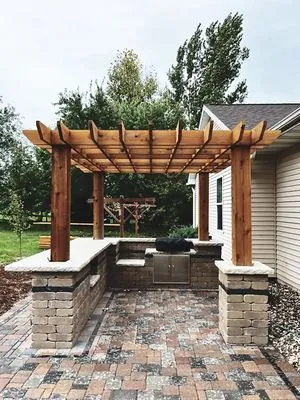
The Landscape Alchemist is a Stillwater, MN-based landscaping company specializing in transforming outdoor spaces with expert construction and care. We address common local issues like poor lawn gradi...
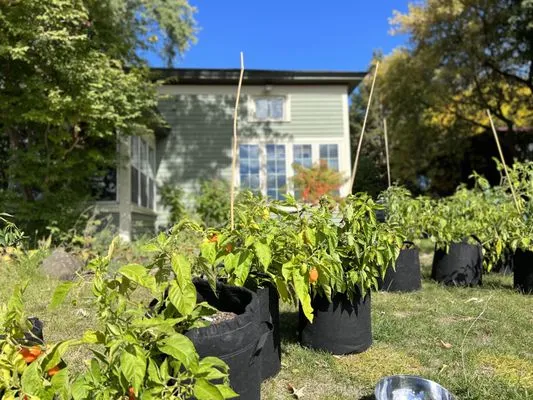
At Stillwater Organic, we are dedicated to helping our neighbors cultivate healthy, vibrant outdoor spaces the natural way. Based in the heart of Stillwater, MN, we specialize in organic lawn care, pr...
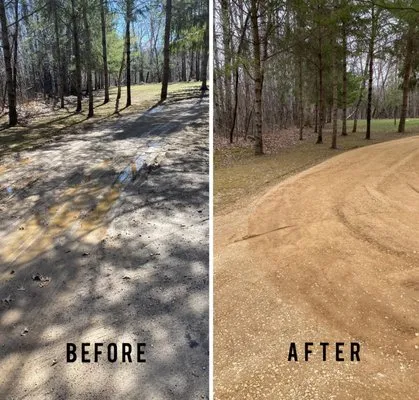
C&L Outdoor Services is a locally owned and operated, licensed, and insured company dedicated to enhancing and maintaining outdoor spaces in Stillwater and the surrounding area. We bring a team of exp...
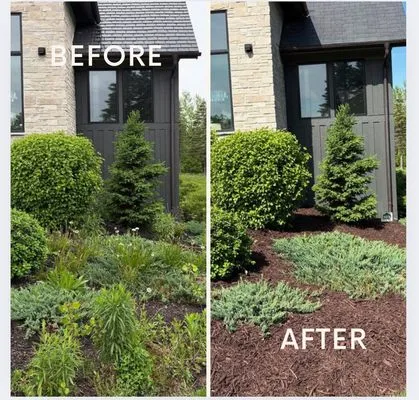
HammerTime Landscaping
HammerTime Landscaping is a Stillwater-based landscaping company founded by Emmett Johnson, a senior at Hill-Murray High School with a passion for creative outdoor design. What started with pulling we...
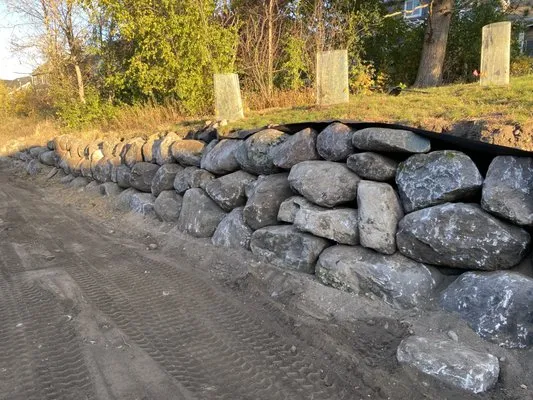
All Weather Services
All Weather Services is a Stillwater-based landscaping, excavation, and snow removal company with over 20 years of experience serving the local community. We specialize in transforming outdoor spaces ...
FAQs
What solutions prevent clay subsoil saturation in my yard?
Moderate runoff issues in loam and sandy loam soils require integrated drainage strategies. Permeable concrete pavers and St. Croix River stone installations increase surface infiltration rates by 50-70% compared to traditional materials. French drains with clean gravel layers redirect subsurface water away from foundation areas. The Stillwater Community Development Department requires drainage plans demonstrating runoff reduction for hardscape projects exceeding 100 square feet.
Should I replace high-maintenance turf with native plants?
Transitioning to Purple Coneflower, Butterfly Milkweed, Little Bluestem, Wild Bergamot, and Prairie Dropseed reduces maintenance frequency while supporting 2026 biodiversity standards. These USDA Zone 4b natives require minimal irrigation once established and eliminate weekly mowing from May through October. Electric maintenance equipment operates quietly within noise ordinance parameters, replacing gas-powered blowers that face increasing municipal restrictions in urban-wildland interface zones.
How do I control invasive species without phosphorus fertilizer?
Buckthorn and garlic mustard pose significant invasive threats in Stillwater's Moderate fire-wise rating areas. Mechanical removal followed by organic pre-emergent applications avoids phosphorus fertilizer ban violations. Timing treatments before mid-April mulching peak prevents seed bank establishment. Soil testing confirms nutrient deficiencies before applying mycorrhizae inoculants that enhance native plant competitiveness without synthetic phosphorus inputs.
How quickly can you respond to an emergency tree cleanup after a storm?
Emergency storm response from the Stillwater Lift Bridge via MN-36 typically requires 20-30 minutes during peak conditions. Our electric maintenance fleet operates within standard decibel limits from 7:00 AM to 10:00 PM, allowing immediate HOA compliance work. We prioritize routes through South Hill's established street grid to minimize transit time while carrying necessary arborist equipment for fallen limb removal and site stabilization.
Why does my South Hill lawn have drainage issues despite regular watering?
Stillwater's South Hill neighborhood has loam and sandy loam soils that have matured for 44 years since typical 1982 construction. This extended timeframe allows clay-based subsoil layers to compact, reducing soil percolation rates. Core aeration with organic amendments like composted leaf mold improves permeability by breaking up thatch and enhancing microbial activity. Soil testing every 3-5 years monitors pH levels within the 6.5-7.2 range to maintain optimal nutrient availability.
Can I maintain Kentucky Bluegrass during Stage 1 water restrictions?
Smart Wi-Fi ET-based weather sensing irrigation systems preserve turfgrass health while complying with Stillwater's voluntary conservation measures. These controllers adjust watering schedules based on real-time evapotranspiration data, reducing typical Kentucky Bluegrass and Fine Fescue requirements by 30-40%. Programming deep, infrequent watering cycles during early morning hours maximizes soil penetration while staying within municipal water allocation limits for your 0.25-acre property.
What permits and licenses are needed for grading my 0.25-acre lot?
Grading projects on 0.25-acre properties require Stillwater Community Development Department permits for earth moving exceeding 50 cubic yards. The Minnesota Department of Labor and Industry mandates specific licensing for contractors performing excavation work that modifies natural drainage patterns. Professional landscape architects must seal designs that alter more than 10% of existing grade, ensuring compliance with local erosion control ordinances and phosphorus runoff prevention measures.
Are permeable pavers better than wood for patio longevity?
Permeable concrete pavers and St. Croix River stone offer 25-30 year lifespans versus wood's 10-15 year deterioration cycle in Minnesota's freeze-thaw conditions. These materials maintain structural integrity while providing critical defensible space in Moderate urban-wildland interface zones. Their non-combustible nature reduces fire spread risk compared to wooden decks, and their permeability meets municipal runoff management standards without additional drainage infrastructure.
