Top Landscaping Services in Starbuck, MN, 56381 | Compare & Call
There are 144 landscaping companies server in Starbuck MN
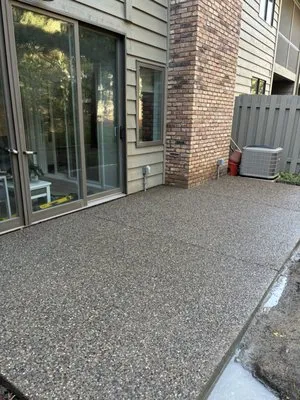
Forstie Construction is a trusted masonry, concrete, and landscaping contractor serving Dassel, MN, and surrounding areas. With expertise in both construction and maintenance, we specialize in durable...
Nick's Lawn Maintenance is a trusted local landscaping provider in Willmar, MN, dedicated to keeping your property healthy and beautiful. We specialize in addressing common local challenges, such as d...

Obrien’s Power Washing
Obrien’s Power Washing in Willmar, MN, is a locally owned and operated business with deep roots in the community. Owner Obrien has been pressure washing houses and driveways since his teenage years, c...
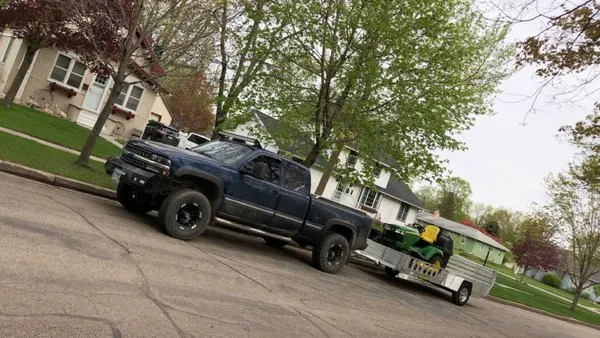
Rosen Landscape & Lawncare is a locally owned and operated business in Benson, MN, founded on a passion for outdoor work and customer satisfaction. We started this venture to grow while making our cus...
Mulder Joshua Ryan is a trusted local contractor in Willmar, MN, specializing in roofing, general contracting, and landscaping services. Many homes in the area face common landscaping challenges like ...
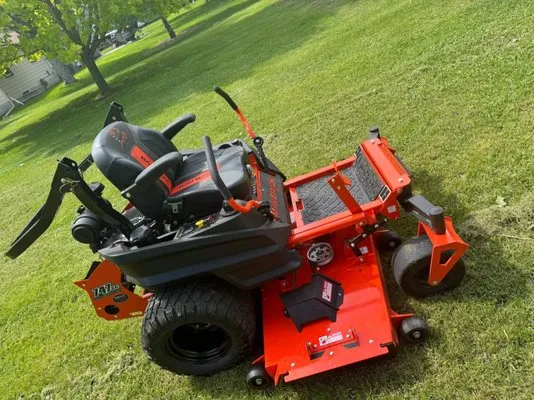
RTK Land Management is a family-owned, fully insured tree and lawn service company based in Raymond, MN, serving Central Minnesota communities including the Willmar Lakes Area, Staples, and New Ulm. F...
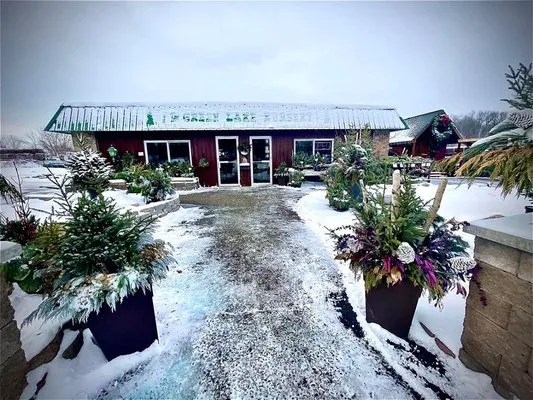
Green Lake Nursery in Spicer, MN is a locally owned business that has been serving West Central Minnesota since 1976. We specialize in providing an extensive selection of northern-grown plants, includ...
Durable Landscapes is a trusted, full-service landscaping company serving Spicer, MN, and the surrounding area. We specialize in snow removal, landscaping, and masonry/concrete work to help homeowners...
Larry's Power Equipment in Spicer, MN, is a trusted local resource for both landscaping professionals and homeowners. While primarily known as a power equipment retailer specializing in sales and repa...
Red Pine Outdoor Solutions is a trusted lawn care provider serving Hector, MN, and the surrounding area. We specialize in comprehensive lawn care services designed to tackle common local landscaping c...
Estimated Landscaping Service Costs in Starbuck, MN
Questions and Answers
Our lot has been here a while. Why does the soil seem so compacted and thirsty?
Properties in the Starbuck City Center area, with homes averaging from 1971, have soils that are approximately 55 years old. This Mollisol loam, while initially fertile, has undergone decades of standard maintenance, leading to a decline in organic matter and increased compaction. The soil's natural permeability is reduced, inhibiting root growth and water infiltration. Annual core aeration and top-dressing with compost are essential to rebuild soil structure and mimic the native prairie biome's function.
Is there a lower-maintenance, eco-friendly alternative to a traditional grass lawn?
Yes, transitioning to a native perennial landscape is a forward-thinking solution. Species like Big Bluestem, Butterfly Milkweed, and Prairie Dropseed are adapted to Zone 4a, require no fertilization, and are deeply drought-resistant. This xeriscaping approach drastically reduces mowing, eliminates gas-powered blower use aligned with noise ordinances, and provides critical habitat. It creates a resilient, biodiverse landscape that manages water autonomously and sequesters carbon in the soil.
We want to regrade our backyard for better drainage. Do we need a permit or special contractor?
Yes, significant grading on a 0.25-acre lot typically requires review. The Pope County Land & Resource Management office regulates earth disturbance to prevent erosion and off-site water issues. Furthermore, any contractor performing this work must be licensed through the Minnesota Department of Labor and Industry. This ensures they carry proper insurance and understand state codes, protecting you from liability for improper drainage that could affect neighboring properties or public infrastructure.
Our yard has soggy spots in spring and cracked pavement in winter. What's the cause and solution?
This is a classic presentation of seasonal frost heave exacerbated by poor subsurface drainage in our clay-loam Mollisols. Water saturates the soil, freezes, expands, and thaws unevenly. The solution integrates subsurface French drains or dry wells with permeable surface materials. Using crushed granite or permeable concrete pavers for patios and paths allows infiltration, meeting Pope County runoff standards and stabilizing the ground to prevent structural damage.
A storm damaged trees on our property. How quickly can a certified crew arrive for an emergency cleanup?
For emergency storm response, our crews are dispatched from a central location near Starbuck City Park. Traveling via MN-28 into residential zones allows for an estimated 15-20 minute arrival during peak dispatch windows. This prioritizes safety by securing hazardous limbs and clearing access routes. All response vehicles comply with municipal quiet hours, utilizing electric equipment to minimize noise during early or late operations.
We're building a new patio. Should we use wood or a harder material like pavers?
For longevity and reduced maintenance in our climate, inorganic materials are superior. Crushed granite or concrete pavers offer a 30+ year lifespan, unaffected by moisture and freeze-thaw cycles that decay wood. From a Firewise perspective, Starbuck's Low (Zone 3) rating still recommends creating defensible space. These non-combustible materials provide a permanent, safe zone adjacent to the home, requiring no chemical treatments and contributing to a stable, permeable surface.
We want a green lawn but need to be responsible with water. What's the modern approach?
Despite voluntary conservation status, efficient water use is critical. Smart Wi-Fi soil moisture sensors provide ET-based irrigation, applying water only when and where Kentucky Bluegrass needs it, typically during early morning hours. This technology prevents overwatering, which exacerbates subsurface drainage issues common here. The system automatically adjusts for rainfall, ensuring turf health while conserving substantial municipal water resources throughout the season.
We have a creeping vine taking over a garden bed. How do we manage invasive plants here?
First, identify the species; common alerts include Creeping Bellflower or Leafy Spurge. Manual removal is most effective for small infestations, ensuring all root fragments are extracted. For larger areas, targeted, non-residual herbicide applications may be necessary, but timing is critical to avoid harming pollinators and must comply with Minnesota's Phosphorus Fertilizer Law, which prohibits certain lawn applications. A multi-year management plan focusing on soil health and native plant competition provides long-term control.
