Top Landscaping Services in Stanford, MN, 55040 | Compare & Call
There are 197 landscaping companies server in Stanford MN
Buck Landscaping
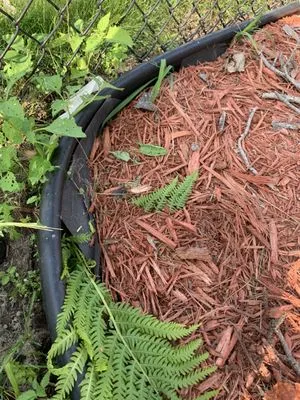
Buck Landscaping is a locally-owned and operated landscaping company serving Ham Lake and the North Metro Twin Cities. Founded in 2012 by Nathaniel Buck, the business is built on over a decade of hand...

Tomford Landscaping
Tomford Landscaping is a licensed landscape contractor serving Stacy, MN, and the wider Twin Cities area since 2005. We specialize in transforming outdoor spaces with comprehensive services including ...
Luxury Lawns Landscaping
Luxury Lawns Landscaping is a locally owned and operated contractor serving Plymouth, MN, and the surrounding communities since 1994. Our foundation is built on a deep understanding of outdoor living,...

Wild Revival Landscape Consulting, led by St. Paul's Jen, brings over a decade of professional experience in restoration ecology and a Conservation Biology degree to every project. Her passion lies in...
York Landscaping & Tree Service
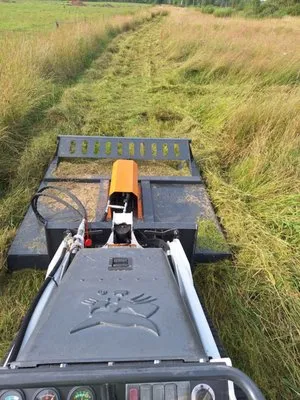
York Landscaping & Tree Service is a locally-owned East Bethel company built on a foundation of dependability and integrity. Owner Chuck, a respected Twin Cities entrepreneur, brings a seasoned profes...
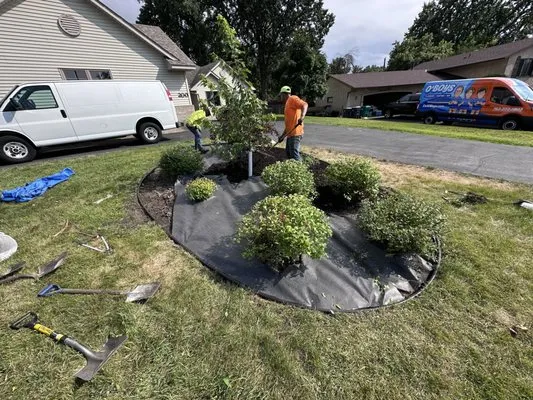
The Gardener Luna is your dedicated partner for Arden Hills landscaping and tree care. We believe a well-maintained outdoor space enhances your home's beauty and value, which is why we focus on reliab...

Hi, I'm Jonah, the owner-operator of Red Cedar Outdoor Services. As a one-person business serving Edina and the wider Twin Cities, I provide a personal touch to every project. My years of experience a...

Adam's Pest Control is a family-owned, licensed pest control company serving Medina, MN, and surrounding areas since 1971. We specialize in comprehensive extermination and prevention services for a wi...
Rockman Landscaping & Tree Service
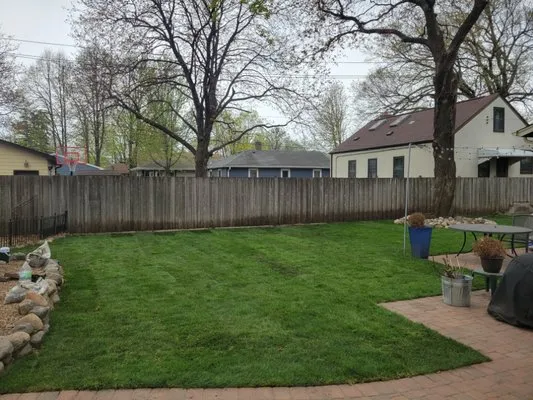
Rockman Landscaping & Tree Service is a family-owned and operated business based in Plymouth, MN, serving the Minneapolis metro area, including Loretto, with over 20 years of experience. They speciali...
Creative Earthscapes
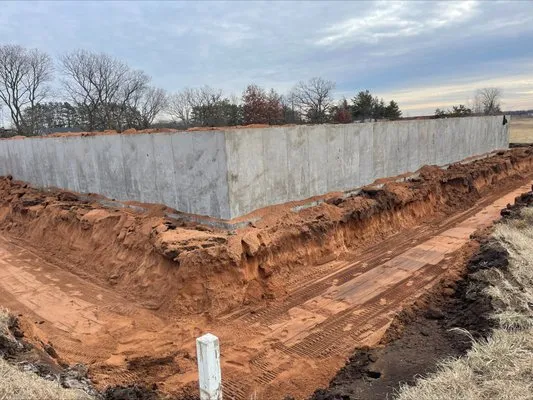
Creative Earthscapes is a family-operated excavation and landscaping business serving Otsego, MN, and the surrounding area. Founded and run by a father and son team, we bring a personal commitment and...
Estimated Landscaping Service Costs in Stanford, MN
Common Questions
We're considering patio materials. How do concrete pavers compare to wood for longevity and fire safety in Stanford?
Concrete pavers provide 40+ year lifespans versus wood's 15-25 years, with zero maintenance beyond occasional joint sand replenishment. Their non-combustible nature creates critical defensible space around structures, essential for Stanford's Moderate Fire Wise rating. Properly installed with 6-inch compacted base layers, pavers resist frost heave common in Fine Sandy Loam soils. For high-risk zones, maintain 30-foot clearance of flammable materials around pavers, using crushed granite for additional firebreak protection without compromising drainage.
We've spotted creeping bellflower invading our perennial beds. How do we treat it without violating fertilizer regulations?
Creeping bellflower requires careful manual removal of all root fragments, as chemical treatments often violate Minnesota's phosphorus-free fertilizer laws. Apply targeted glyphosate only to foliage during dry periods, avoiding application within 48 hours of predicted rainfall to prevent runoff. For established infestations, solarization with clear plastic during July's peak heat eliminates 90% of rhizomes. Always check Minn. Stat. 18C.60 blackout dates before any treatment, typically avoiding applications between October 15 and April 15 in USDA Zone 4a.
We need emergency storm cleanup to meet HOA compliance deadlines. What's your fastest response time to Stanford Town Center?
Our electric maintenance fleet can dispatch from Stanford City Hall within 15 minutes, taking US Highway 47 directly to your neighborhood. During peak conditions, arrival occurs within 25-35 minutes while complying with 8:00 AM to 8:00 PM noise ordinances. We prioritize routes with minimal residential disruption, using battery-powered equipment that operates below 65 decibels. This approach ensures rapid debris removal while maintaining community quiet hours.
Our Fine Sandy Loam soil experiences seasonal water table issues and frost heave. What drainage solutions work best here?
Seasonal high water tables in Stanford require French drains with proper gradient (1% minimum slope) to redirect subsurface flow. Crushed granite as a base material provides 40% void space for water storage and movement, reducing frost heave pressure. Permeable concrete pavers with joint spacing of 0.25 inches meet Isanti County Planning and Zoning runoff standards by allowing 5-7 inches per hour infiltration. These systems work with the soil's natural 6.2-6.8 pH range to prevent mineral leaching during drainage events.
How can we maintain our Kentucky Bluegrass and Fine Fescue blend during dry periods while following water conservation guidelines?
Wi-Fi ET-based weather sensing irrigation calculates precise evapotranspiration rates for Stanford's climate, applying only necessary water volumes. This system reduces consumption by 30-40% compared to traditional timers while preserving turf health. Drip irrigation for perennial beds delivers water directly to root zones at 0.5-1.0 gallons per hour. During voluntary conservation periods, we implement deficit irrigation strategies that maintain turf viability with 20% less water, staying well within municipal limits.
We want to regrade our 1.25-acre property. What permits and contractor qualifications should we verify?
Isanti County Planning and Zoning requires grading permits for any earth movement exceeding 50 cubic yards on lots over 1 acre. Contractors must hold Minnesota Department of Labor and Industry licensing for earthwork, with specific endorsements for erosion control and stormwater management. On Stanford's Fine Sandy Loam soils, professionals must demonstrate understanding of permeability rates and seasonal water table dynamics. Verify insurance covers subsurface utility damage, particularly important in 1995-built neighborhoods where irrigation and drainage systems may not appear on standard surveys.
We want to reduce mowing and gas equipment use. What native plants could replace high-maintenance turf areas?
Transitioning to Little Bluestem, Purple Coneflower, and Butterfly Milkweed creates self-sustaining ecosystems requiring minimal intervention. These natives establish deep root systems reaching 5-8 feet, accessing subsurface moisture without irrigation. Once established, they need only annual cutting back in early spring, eliminating weekly mowing from May through September. This approach reduces fuel consumption by 85% and stays ahead of evolving noise ordinances restricting gas-powered equipment, while supporting local pollinator populations.
Our Stanford Town Center yard seems compacted and drains poorly. Could this be related to our 1995-built home's soil history?
Stanford's 31-year-old residential lots typically feature Fine Sandy Loam soil that has matured since construction. This soil type naturally develops compaction layers over decades, reducing permeability to 0.5-1.5 inches per hour. Core aeration every 2-3 years addresses this by creating channels for oxygen and water movement. Incorporating 0.25 inches of compost annually builds organic matter, improving the soil's water-holding capacity while maintaining the optimal pH 6.2-6.8 range for nutrient availability.
