Top Landscaping Services in Spring Park, MN, 55384 | Compare & Call
There are 192 landscaping companies server in Spring Park MN
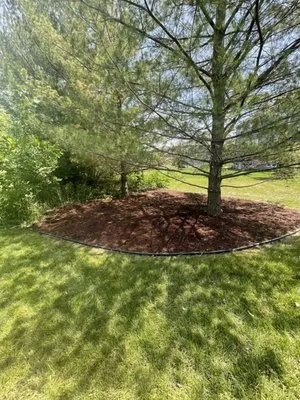
Grassroots Landscaping is a locally owned and operated lawn care service based in Medina, MN, dedicated to maintaining healthy, resilient lawns for homeowners in our community. We specialize in compre...
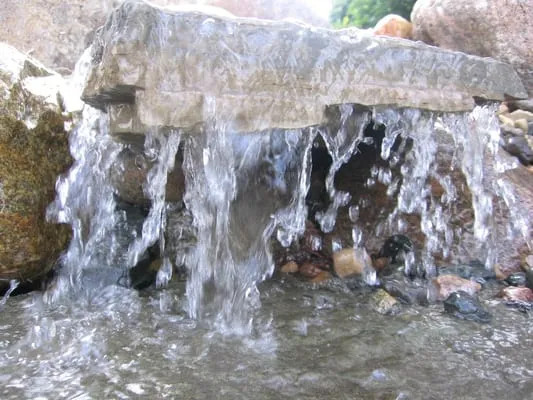
Minnesota Waterscapes in Corcoran, MN, is a locally owned landscaping and snow removal business founded by Jeff, who transitioned from a downtown Minneapolis office to pursue his passion for the outdo...
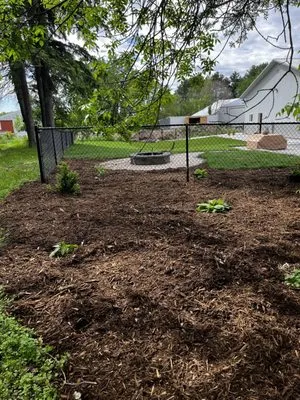
Since 2017, Clark Companies of Minnesota has been a trusted Elk River partner for comprehensive outdoor transformation. Our team provides a full-service approach, handling everything from the initial ...

Fenner Earthworks, based in Elko New Market, MN, is a trusted local earthworks and landscaping contractor. We specialize in a comprehensive range of services including excavation, demolition, driveway...

E&H Lawncare and Snow Removal is a dedicated local service provider based in Minneapolis, MN, specializing in year-round property maintenance. We offer comprehensive lawn care, reliable snow removal, ...
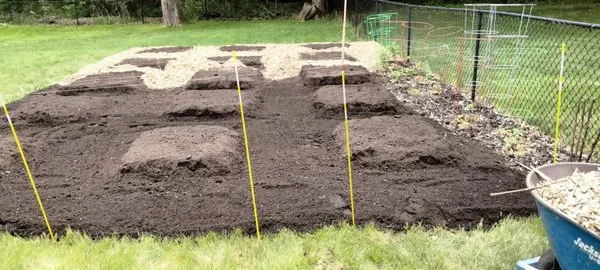
Founded by Jesus Kuyoc, who brings over 8 years of local landscaping experience and a commitment to fair pricing, Minnesota Good Landscapes serves the New Hope community. Originally from the Yucatan p...
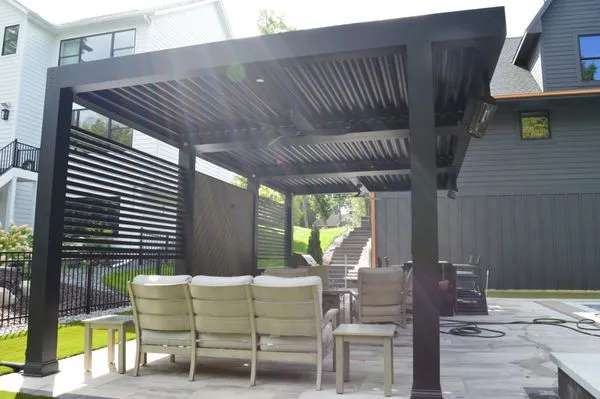
Task Masters is a full-service landscaping and property enhancement company serving Osseo, MN, and surrounding communities. We specialize in solving the common problems faced by local homeowners, from...
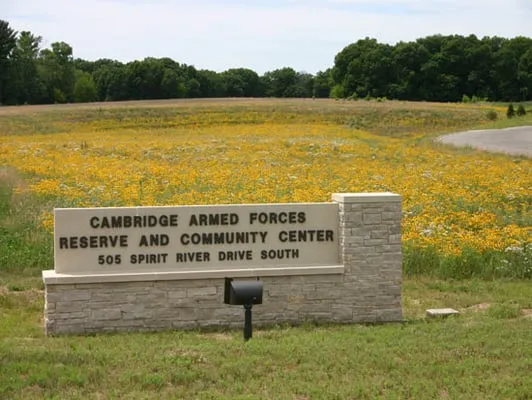
Prairie Restorations in Scandia, MN has been a trusted local resource for native plant landscaping and restoration since 1977. With over 40 years of experience working with native plants across variou...
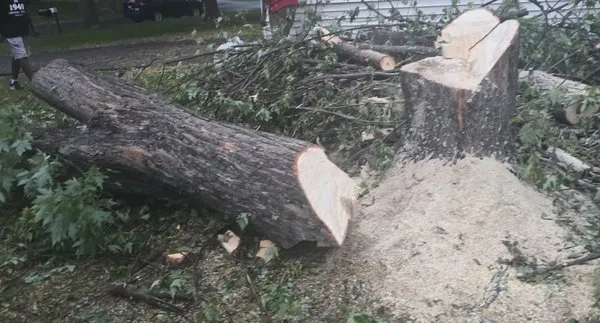
Wise Scaping is Crystal's dependable, year-round partner for outdoor care. We simplify property maintenance by providing comprehensive services—from expert tree care and lawn mowing to leaf cleanup an...
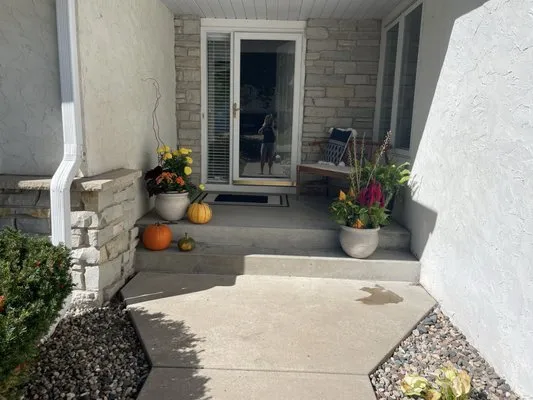
Pleasant View Gardens in Maple Plain is a family-owned business with roots stretching back to 1864, blending deep horticultural knowledge with a genuine commitment to the local landscape. Founded in 2...
Estimated Landscaping Service Costs in Spring Park, MN
Question Answers
How can I keep my lawn green during summer without violating the city's water conservation rules?
Spring Park's Stage 1 voluntary conservation aligns with using smart, Wi-Fi ET-based irrigation controllers. This technology schedules watering based on real-time evapotranspiration data, applying water only when your Fine Fescue and Kentucky Bluegrass truly need it. This method can reduce usage by 20-30% compared to traditional timers, preserving turf health while respecting municipal water limits and the high local water table.
I'm tired of weekly mowing and gas equipment. What's a lower-maintenance, quieter alternative to my grass?
Transitioning high-input turf to a native plant community is the definitive solution. A palette of Purple Coneflower, Wild Bergamot, Little Bluestem, and Swamp Milkweed establishes deep roots, requires no fertilization, and needs only an annual cut-back. This xeriscape drastically reduces mowing frequency and eliminates gas-powered equipment, future-proofing your property against tightening noise ordinances and supporting 2026 biodiversity targets.
I see a fast-spreading vine in my flower beds. What is it, and how do I stop it without harming my perennials?
This is likely an invasive species alert, such as Creeping Bellflower or Oriental Bittersweet, which thrive in our zone 4b. Manual removal of all root fragments is essential. For persistent issues, a targeted, systemic herbicide applied in fall minimizes drift. Crucially, any follow-up soil amendment must use phosphorus-free fertilizer as required by Minnesota state law to protect local watersheds from nutrient pollution.
We want to regrade our backyard for better drainage. Do we need a permit, and what should we look for in a contractor?
Yes, significant regrading on a 0.35-acre lot typically requires a permit from Spring Park City Planning & Zoning to ensure proper stormwater management. The contractor must hold a specific license from the Minnesota Department of Labor and Industry for earthwork and excavation. This licensing verifies they carry adequate insurance and understand local soil stability requirements, protecting you from liability and substandard work.
My HOA cited me for storm debris. How quickly can you do an emergency cleanup to avoid a fine?
Our compliance crew can be dispatched within hours. For Spring Park Central, we route from Spring Park City Hall via Minnesota State Highway 15, ensuring a reliable 20-30 minute arrival even during peak congestion. We prioritize these calls to address windfall branches and scattered debris, utilizing electric-powered equipment to remain compliant with the local noise ordinance that begins at 9:00 PM.
Part of my yard stays soggy for days after rain. What's a long-term solution that also looks good?
Seasonal standing water is common here due to the high water table and dense Glacial Till Loam. A functional solution integrates sub-surface drainage with surface grading. Replacing impermeable surfaces with Permeable Concrete Pavers for patios or walkways allows stormwater to infiltrate directly, reducing runoff. This approach often meets Spring Park City Planning & Zoning standards for on-site water management and alleviates the soggy areas.
We're rebuilding our deck. Are permeable pavers a better long-term choice than wood for our backyard?
For longevity and reduced maintenance, Permeable Concrete Pavers outperform wood in our climate. They resist frost heave, will not rot or splinter, and have a lifespan exceeding 30 years. From a fire safety perspective, their non-combustible nature contributes directly to creating the defensible space required for your property's Moderate (WUI Zone 2) Fire Wise rating, a critical consideration for insurance and safety.
My lawn seems thin and compacted. Is this just from winter, or is there a deeper issue with the soil in my yard?
Given the average construction date of 1977 in Spring Park Central, your soil profile is approximately 49 years old. Glacial Till Loam naturally compacts over decades under turfgrass. This compaction reduces percolation and root penetration, leading to the thin stand you observe. Core aeration and incorporating compost are critical to rebuild soil structure, increase oxygen, and support a healthy rhizosphere for your Kentucky Bluegrass.
