Top Landscaping Services in Spring Lake, MN, 55352 | Compare & Call
There are 167 landscaping companies server in Spring Lake MN
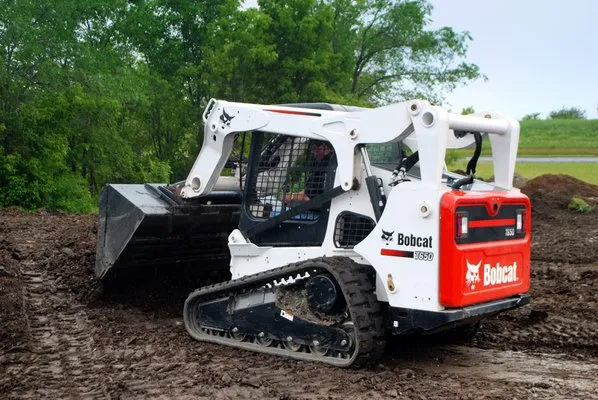
Founded by Brian in 2001, Northern Masonry & Custom Stonework is a Pine River-based team of skilled masons and stone workers dedicated to enhancing both residential and commercial properties. With ove...

Founded on a commitment to fairness and quality, Vince's Tree and Landscaping began over 16 years ago. Owner Vince, having learned the trade from his uncle and local services, started his own company ...
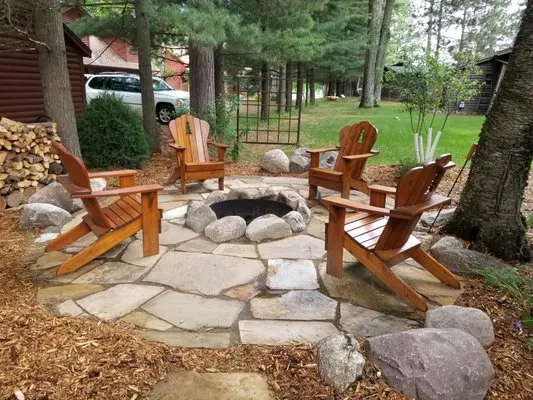
Nelson's Outdoor Lighting and Lawn Sprinklers
Nelson's Outdoor Lighting and Lawn Sprinklers is a trusted, licensed, and bonded landscaping company serving the Crosslake, MN area. We specialize in creating seamless outdoor environments by expertly...

K&S Quality Lawn Care is a trusted lawn service provider in Brainerd, MN, dedicated to helping local homeowners achieve and maintain healthy, vibrant lawns. We specialize in comprehensive lawn care so...
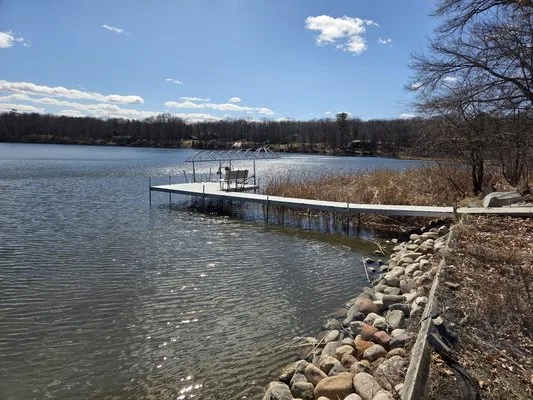
Christian Gutenkauf is the owner and operator of Central Minnesota Services, based in Brainerd. His journey in nuisance animal control began at age 10, learning the trade alongside his uncle. Today, h...
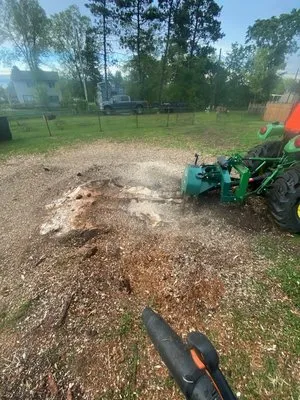
D & N Landscaping and Tree Service is your trusted local partner for tree and lawn care in Menahga, MN. With deep roots in the Perham, Detroit Lakes, Park Rapids, Pelican Lakes, and Brainerd Lakes are...
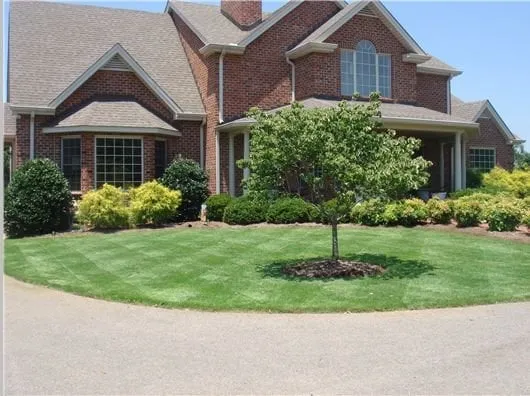
TruGreen in Pequot Lakes, MN, provides expert lawn care and tree care services tailored to the unique needs of the Brainerd Lakes area. We understand the local challenges homeowners face, such as pers...

Lakeside Handyman Service is a trusted local provider in Crosslake, MN, offering comprehensive handyman, landscaping, and tree services. With years of hands-on experience, we specialize in fixing, bui...

America's Choice Property Care
America's Choice Property Care is a family-owned and operated business in Merrifield, MN, dedicated to providing reliable lawn services, pressure washing, and window cleaning. We focus on delivering q...
Lake State Property
Lake State Property is the vision of a Crosslake entrepreneur with over two decades of experience in landscaping, design, and project management. Officially launched in 2020, this boutique operation i...
Estimated Landscaping Service Costs in Spring Lake, MN
Frequently Asked Questions
Can I maintain Kentucky Bluegrass turf while following Spring Lake's Stage 1 water conservation?
Yes, smart Wi-Fi controllers with soil moisture sensors optimize irrigation by tracking evapotranspiration rates and actual soil conditions. These systems apply 0.75-1.0 inches weekly during peak demand, aligning with Kentucky Bluegrass requirements while staying below municipal limits. Programming deep, infrequent watering at dawn minimizes evaporation and prevents the seasonal high water table from causing root zone saturation.
How can I reduce maintenance while preparing for stricter noise regulations?
Transitioning Kentucky Bluegrass areas to Little Bluestem and Purple Coneflower meadows reduces mowing from weekly to twice annually. Butterfly Milkweed and Wild Bergamot plantings require no gas-powered equipment once established, staying ahead of decibel limit enforcement. These native species develop deep root systems that access subsoil moisture, eliminating irrigation needs while supporting 2026 biodiversity targets for pollinator corridors.
Why does my Spring Lake Park Center lawn have such compacted soil that needs annual aeration?
Spring Lake Park Center properties average 53 years of development since 1973 construction, allowing soil structure to degrade through compaction and organic matter depletion. Mollisols/loam soils in this neighborhood naturally have good fertility but develop poor permeability in clay pockets over decades. Core aeration every 1-2 years with compost topdressing addresses this by improving oxygen exchange and water infiltration while rebuilding soil biology.
What invasive species should I watch for in Spring Lake, and how do I treat them safely?
Buckthorn and creeping Charlie present the highest risks in established neighborhoods, spreading through bird dispersal and rhizomes. Manual removal before seed set in early spring avoids Minnesota Phosphorus Fertilizer Law restrictions on chemical treatments. For persistent infestations, targeted glyphosate applications in fall follow blackout date guidelines while minimizing impact on established Little Bluestem and Butterfly Milkweed plantings.
Are concrete pavers better than wood for Spring Lake's climate and fire safety?
Concrete pavers outperform wood in USDA Zone 4b with 30+ year lifespans versus wood's 10-15 years before replacement. Their non-combustible nature supports Moderate Fire Wise Rating requirements for defensible space around structures. Crushed granite pathways provide additional firebreaks while allowing water infiltration during spring thaw periods when clay soils have poor permeability.
What permits and licenses are needed for grading work on my 0.22-acre Spring Lake property?
The Spring Lake Park Building & Planning Department requires erosion control permits for any grading disturbing over 100 square feet. Minnesota Department of Labor and Industry licensing mandates certified landscape contractors for projects involving more than 2 cubic yards of soil movement. On 0.22-acre lots, even modest regrading often triggers these requirements due to proximity to property lines and existing drainage patterns.
How quickly can you respond to emergency storm damage for HOA compliance in Spring Lake?
Emergency cleanup crews dispatch from Spring Lake Park High School via MN-65, arriving within 20-30 minutes during peak response windows. Our electric fleet operates within 7:00 AM-9:00 PM noise ordinance limits while handling downed branches and debris. We prioritize safety assessments first, then implement temporary stabilization measures to meet HOA vegetation management requirements.
What solutions work for poor drainage in Spring Lake's clay soil pockets?
French drains with clean crushed granite aggregate provide subsurface drainage where clay layers restrict infiltration. Permeable concrete paver installations meet Spring Lake Park Building & Planning Department runoff standards by allowing 8-12 inches per hour infiltration. For severe cases, we recommend regrading with 2% slope away from foundations and installing dry wells to capture roof runoff before it reaches saturated zones.
