Top Landscaping Services in Spring Lake Park, MN, 55432 | Compare & Call
There are 206 landscaping companies server in Spring Lake Park MN
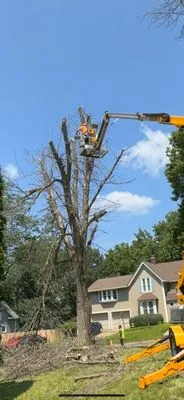
Magnolia Services is a Hopkins-based landscaping and tree care company dedicated to enhancing outdoor spaces in our community. We specialize in comprehensive landscape construction, maintenance, and t...
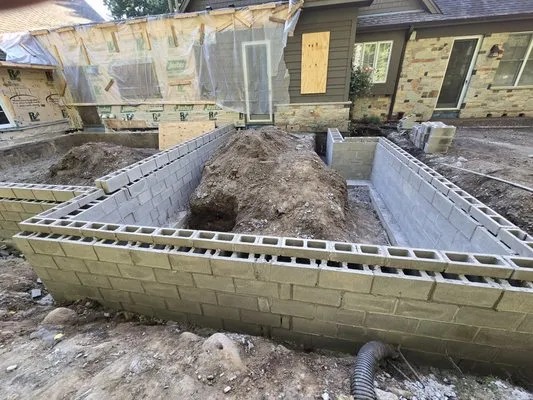
Lowe's Concrete & Landscaping
Lowe's Concrete & Landscaping is a family-owned and operated business proudly serving North Branch and the surrounding areas. We specialize in durable and attractive concrete work, from replacing worn...
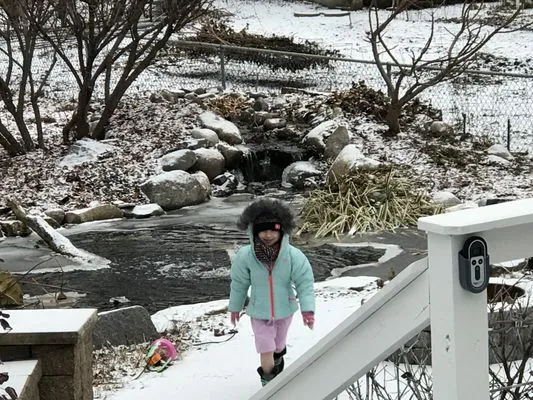
Urban Landworks is a Minneapolis-based landscaping company focused on creating enduring outdoor environments for Twin Cities homes and businesses. We specialize in comprehensive landscape construction...
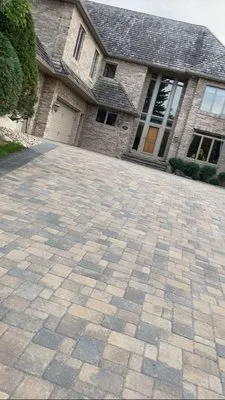
TerraFirma Landscape is a family-owned and operated landscaping business serving Brooklyn Center, MN, with over 20 years of experience. We specialize in patios, retaining walls, horticulture, landscap...
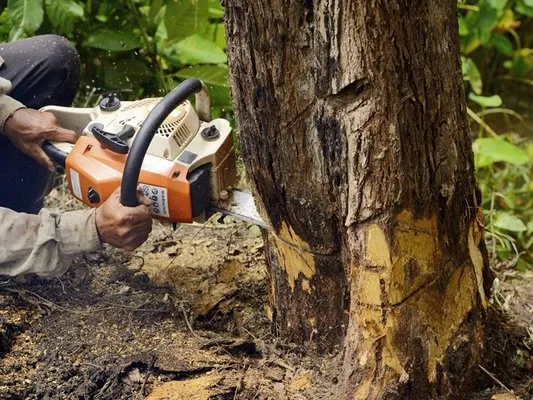
For over 25 years, Palumbo Landscaping & Services has been a trusted, locally-owned landscaping partner in Forest Lake and the wider Twin Cities area. We work directly with homeowners and businesses t...

Cut-N-Go was founded by a Minneapolis couple with a clear mission: to provide professional, high-quality lawn and landscaping services at fair prices for city residents. With eight years of hands-on e...

Founded on years of shared experience and a commitment to our community, Two Brothers Lawn Care is a fully licensed and insured lawn service provider serving Minneapolis. We bring over fifteen years o...
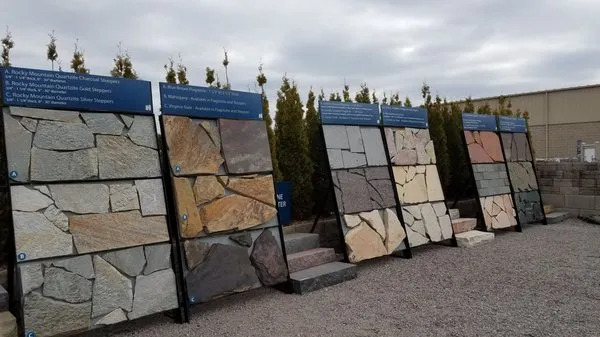
SiteOne Landscape Supply
SiteOne Landscape Supply in Plymouth, MN, carries forward a deep-rooted legacy of supplying the Twin Cities with quality materials. The company's history traces back over a century to the early 1900s ...
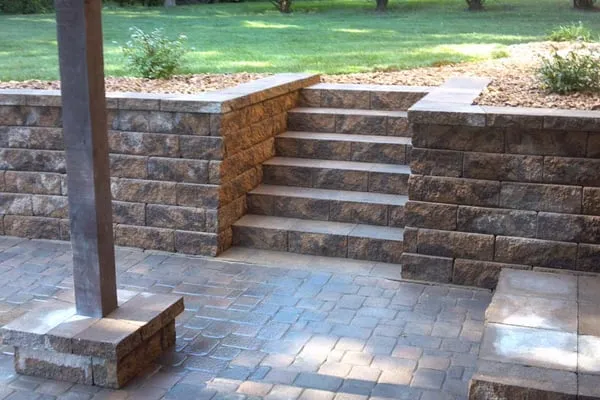
Groundworks Landscaping & Hardscaping is a family-owned and operated contractor based in Hastings, Minnesota, established in 1995. Led by Chris, who has been with the company from the start, the team ...
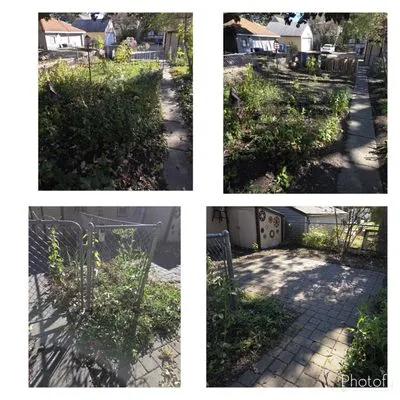
Macedo Home Maintenance is a trusted, year-round home service provider in Minneapolis, MN, dedicated to solving common local property challenges. Many Minneapolis homeowners face issues with overgrown...
Estimated Landscaping Service Costs in Spring Lake Park, MN
Common Questions
Are concrete pavers better than wood for patio longevity?
Concrete pavers offer superior durability with 25+ year lifespans versus wood's 10-15 years in Minnesota's freeze-thaw cycles. Their non-combustible nature supports Low Fire Wise ratings by creating defensible space in urban-suburban interfaces. Permeable installation methods reduce heat island effect and manage stormwater runoff. This material requires minimal maintenance while withstanding seasonal ground movement better than organic alternatives.
What permits are needed for regrading my 0.22-acre property?
Grading projects altering more than 100 cubic yards of soil require permits from the Spring Lake Park Building Department. Contractors must hold appropriate licensing through the Minnesota Department of Labor and Industry for earthwork exceeding 500 square feet. Professional oversight ensures proper drainage patterns and compliance with erosion control ordinances. Unpermitted grading can result in fines and mandatory restoration at owner expense.
What solutions prevent spring thaw saturation in my yard?
High frost-heave in Mollisols requires permeable hardscapes like concrete pavers with crushed granite bases to manage runoff. These materials allow water infiltration while meeting Spring Lake Park Building Department standards for surface water management. Installing French drains or dry wells in saturated areas redirects water from foundations. Proper grading with 2% slope away from structures prevents pooling during spring thaw periods.
Can I maintain Kentucky Bluegrass during Stage 1 water restrictions?
Smart Wi-Fi controllers with soil moisture sensors optimize irrigation by applying water only when ET rates indicate need. These systems reduce water use by 20-40% while preserving turf health through precise scheduling. Programming deep, infrequent watering during cooler hours minimizes evaporation and aligns with voluntary conservation goals. This approach maintains turf quality within municipal water limits.
How can I reduce maintenance while supporting local ecology?
Replacing high-maintenance turf with native plants like Purple Coneflower and Prairie Dropseed creates resilient landscapes requiring less water and no gas-powered equipment. These species support pollinators and adapt to USDA Zone 4b conditions with minimal intervention. Transitioning to electric maintenance tools ahead of noise ordinance changes reduces operational noise. This approach aligns with 2026 biodiversity standards while lowering long-term care costs.
Why does my lawn in Terrace Park have drainage issues despite regular watering?
Spring Lake Park homes built around 1973 have soil that has matured for over 50 years, creating compacted Mollisols with reduced permeability. These loam soils in Terrace Park develop dense layers that restrict water infiltration and root growth. Core aeration with organic amendments like compost improves soil structure by increasing pore space and microbial activity. Addressing this compaction enhances drainage and nutrient availability for healthier turf.
How quickly can you respond to an emergency tree cleanup after a storm?
Our electric fleet dispatches from Spring Lake Park City Hall via MN-65, reaching Terrace Park within 20-30 minutes during peak conditions. This rapid response meets HOA compliance deadlines while operating within noise ordinance hours of 7:00 AM to 10:00 PM. We prioritize safety assessments and debris removal to restore property access and prevent further damage from compromised trees.
What's the safest way to control invasive species in my garden?
Manual removal of invasive plants like creeping Charlie during dry periods prevents spread without chemical intervention. For persistent issues, spot-treat with phosphorus-free herbicides approved under Minnesota state law, avoiding application before rainfall. Timing treatments outside of blackout dates protects water quality and non-target species. Regular monitoring and native plant establishment create competitive environments that suppress reinfestation.
