Top Landscaping Services in Sandstone, MN, 55072 | Compare & Call

There are 12 landscaping companies server in Sandstone MN
DB Property Maintenance was founded in 2016 by an owner who grew frustrated with companies prioritizing profits over customer satisfaction. Based in Minneapolis, MN, we've built our business on puttin...

Seasonal Property Services is a family-operated business serving Cambridge, MN, and surrounding areas since 2012. We specialize in comprehensive property care across all seasons, offering snow removal...

9 Fingers
9 Fingers LLC is a veteran-owned small business based in Rush City, MN, specializing in comprehensive land services. Founded by Charlie and Jenna, the company brings professional expertise to outdoor ...
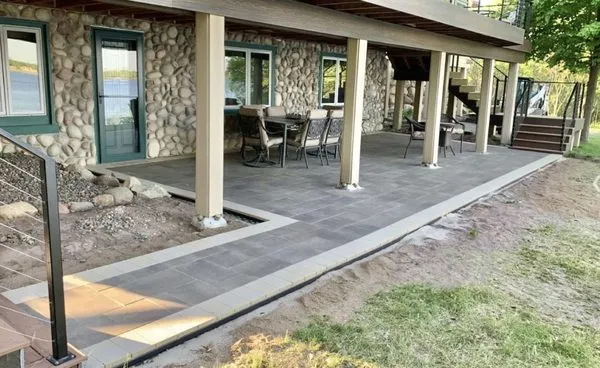
Up North Hardscapes is a Braham-based landscaping and masonry contractor with over a decade of experience transforming outdoor spaces across the region. We specialize in comprehensive hardscaping solu...
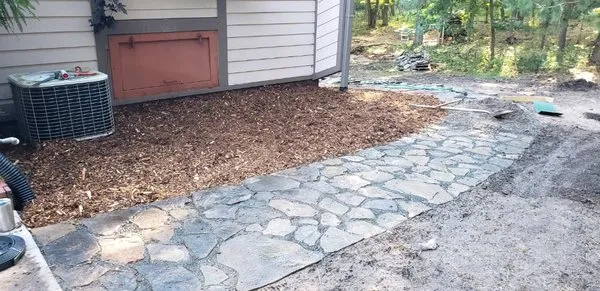
Lenora Companies is your North Branch, MN partner for property transformation and cleanup. We are a locally-owned business built on the principle of complete customer satisfaction. Our team handles a ...

DW Companies began in 2020 when a dedicated team of five left another company to build something better—for their people, their Cambridge community, and the industry. We are a family-owned excavation ...
Double W Tree Service is a trusted, full-service landscaping and tree care company serving Hinckley, MN, and the surrounding areas. We specialize in comprehensive solutions for both residential and co...

Your Way Lawn Care MN is a locally owned and operated family business, founded by Greggory Smith to turn his passion and expertise into a trusted service for the community. Born and raised in Saint Pa...
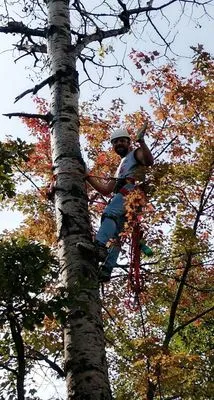
Steve's Services in Mora, MN is a locally owned and operated tree care and landscaping business with deep roots in the community. With a lifetime of experience that began helping his grandpa at just f...
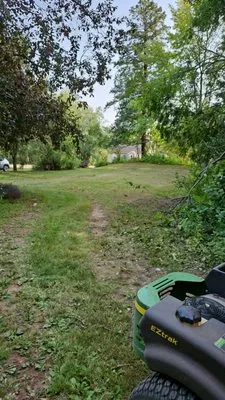
Ssc Lawn Care & Tree Removal is your trusted local expert in Askov, MN, specializing in both lawn and tree health. We understand the specific challenges local homeowners face, such as dying shrubs and...
Estimated Landscaping Service Costs in Sandstone, MN
Question Answers
What low-maintenance alternatives reduce gas equipment use while supporting local ecology?
Replacing high-maintenance turf with Big Bluestem, Butterfly Milkweed, Wild Bergamot, and Purple Prairie Clover creates self-sustaining ecosystems that require minimal intervention. These natives thrive in Sandstone's acidic sandy loam without supplemental irrigation once established. This transition reduces mowing frequency and eliminates gas-powered blowers, aligning with evolving noise ordinance considerations. Established native plantings support 2026 biodiversity standards for pollinator corridors.
What permits and licenses are required for grading and drainage work on my 0.35-acre lot?
Grading projects altering more than 100 cubic yards of soil require Pine County Planning & Zoning Department permits to ensure proper erosion control and drainage compliance. Contractors must hold Minnesota Department of Agriculture licensing for pesticide application if treating vegetation during grading. Professional engineering stamps are necessary when modifying slopes exceeding 3:1 ratios. These regulations protect watershed integrity and prevent downstream sedimentation in the Kettle River watershed.
How do I control invasive species without violating Minnesota's phosphorus fertilizer ban?
For invasive species like creeping bellflower or garlic mustard, manual removal during early growth stages prevents seed set. Spot treatments with glyphosate alternatives containing iron HEDTA or ammonium nonanoate avoid phosphorus contamination risks. Application timing avoids the statewide phosphorus ban blackout dates (typically April 1-June 30). Soil testing every 3 years determines if potassium or nitrogen amendments are needed for competitive native plant establishment.
How can I maintain healthy turf while following Sandstone's voluntary water conservation guidelines?
Soil moisture sensor-based drip systems deliver water directly to root zones when ET rates indicate actual need, typically reducing consumption by 30-50% compared to traditional sprinklers. These systems maintain Kentucky Bluegrass and Fine Fescue blends at optimal soil moisture levels between 20-30% volumetric water content. Programming follows municipal water limits while preventing drought stress. Regular sensor calibration ensures accuracy throughout the growing season.
Why choose granite pavers over wood for durable, fire-resistant landscaping in Sandstone?
Granite pavers provide superior longevity with 50+ year lifespans versus wood's 10-15 years in Minnesota's freeze-thaw cycles. Their non-combustible nature supports Sandstone's Moderate Firewise USA Community rating by creating defensible space around structures. Crushed trap rock bases offer excellent drainage while preventing weed penetration. Properly installed granite hardscapes require minimal maintenance and withstand Zone 4a temperature extremes without deterioration.
How quickly can you respond to emergency storm damage cleanup for HOA compliance?
Emergency storm response from Robinson Park via I-35 reaches Downtown Sandstone properties within 20-30 minutes during peak conditions. Our electric maintenance fleet operates within Sandstone's quiet hours (10 PM - 7 AM) while providing immediate debris removal. This rapid response prevents HOA violations from fallen branches or blocked drainage paths. We prioritize safety assessments before beginning cleanup operations.
What solutions prevent seasonal water pooling and frost heave damage in sandy loam soils?
Seasonal high water tables in acidic sandy loam require French drains with clean trap rock aggregate to facilitate subsurface drainage. Permeable granite paver installations meet Pine County Planning & Zoning Department runoff standards by allowing 8-12 inches per hour infiltration rates. Grading slopes at 2% minimum directs surface water away from foundations. These combined approaches mitigate frost heave risks common in USDA Zone 4a.
Why does my Downtown Sandstone lawn have poor drainage and thin grass despite regular watering?
Properties built around 1965 in Downtown Sandstone have 61-year-old soil systems that have become compacted over decades. The acidic sandy loam (pH 6.2) common in this neighborhood loses permeability as organic matter decomposes without replacement. Core aeration every 2-3 years combined with compost amendments at 0.25 inches depth addresses this compaction while maintaining the soil's natural acidity. This approach improves water infiltration and root development for Kentucky Bluegrass and Fine Fescue blends.
