Top Landscaping Services in Sand Creek, MN, 55352 | Compare & Call
There are 186 landscaping companies server in Sand Creek MN
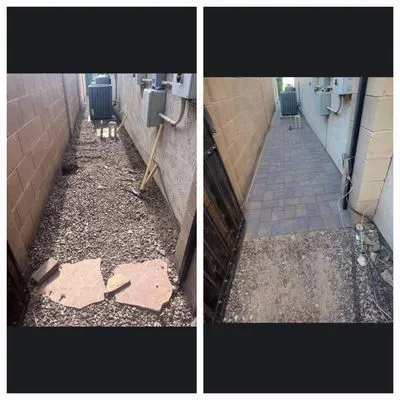
Scenic Outdoor Solutions is a locally owned and operated landscaping company in Independence, MN, founded by brothers Kaden and Austin Simonson. What began as a childhood passion for working outdoors ...
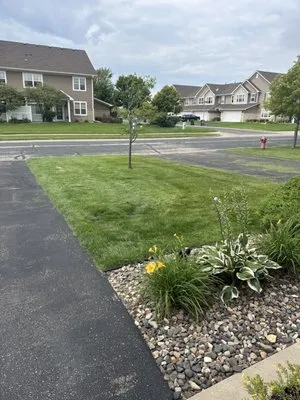
TPC Landscape is a family-owned landscaping company serving Burnsville, MN, since 1986. Founded by Tom Ticen, we specialize in comprehensive landscape solutions, including design, installation, and ma...
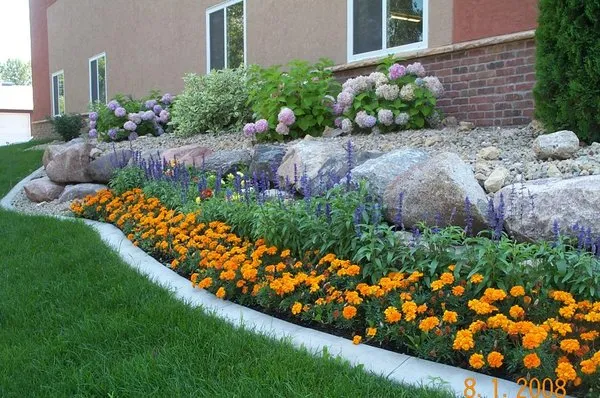
Greenside
Greenside Inc. has been a trusted part of the Twin Cities community since 1977, starting with lawn services and growing into a comprehensive landscaping partner for both residential and commercial cli...

Rojas All Pros Companies is a trusted, fully insured landscaping and concrete contractor serving Faribault, Northfield, Lakeville, and surrounding Rice and Dakota County communities. Founded in 2008 o...
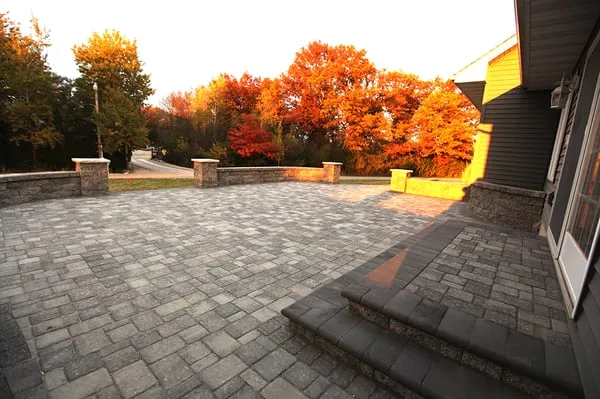
Peters' Patio & Landscape is a family-owned landscaping company based in Kenyon, Minnesota, founded in 2010 by Darren Peters. With an A.A.S. degree in Landscape Horticulture from Dakota County Technic...
Sarah Alan's Lawn and Snow Girls provides reliable, year-round lawn care and snow removal services for Bloomington residents. We understand the unique local challenges, such as persistent weed infesta...
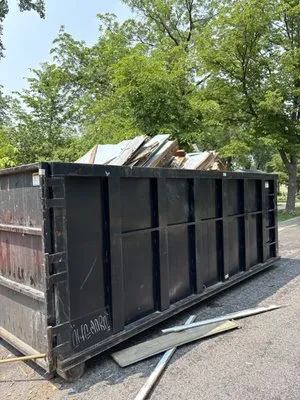
A&J Demo and Haul Away is a Bloomington, MN-based contractor providing comprehensive site transformation services. We handle the full cycle of a project, from demolition and excavation to final landsc...
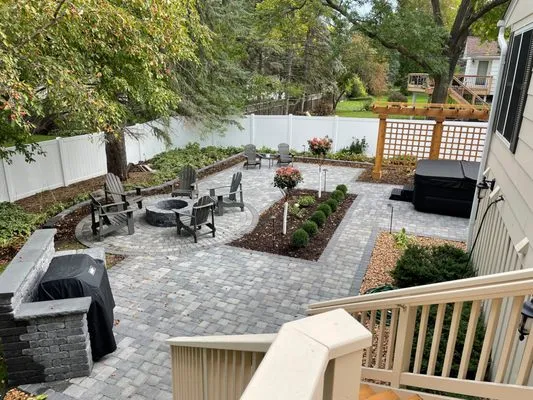
Mojestic Landscape is a family-owned and operated landscaping business founded in 2006 by Jeremy Modzelewski. Based in Bloomington, the team serves the entire Minneapolis Metro area, bringing nearly t...
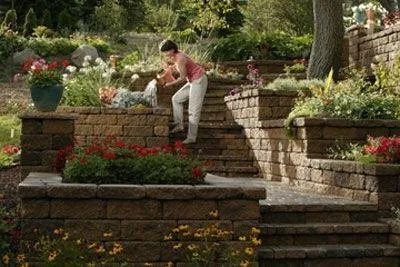
Patio Town is a locally owned and operated landscaping supplier and contractor serving the Burnsville community and the greater Twin Cities area since 1965. Our Burnsville location provides homeowners...
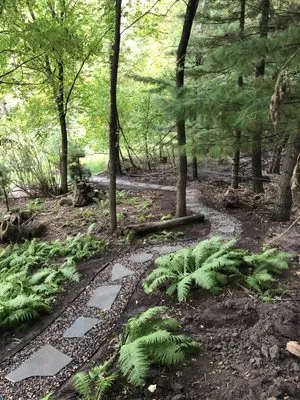
Dunbar Landscaping is a Burnsville-based landscaping company founded by a University of Minnesota Duluth graduate with 28 years of experience. Specializing in walkways, retaining walls, gardening inst...
Estimated Landscaping Service Costs in Sand Creek, MN
Question Answers
We see creeping Charlie and crabgrass. How do we treat them without harming the environment?
Invasive species like creeping Charlie thrive in the slightly acidic conditions of Sand Creek Estates. Manual removal for small infestations and maintaining a thick, healthy turf canopy are first defenses. For chemical control, select herbicides must be applied according to label during active growth periods, strictly avoiding the statewide phosphorus ban for established lawns. Always verify treatment dates do not conflict with any local blackout periods for applicators to ensure compliance.
Our lawn seems compacted and thin. What's the underlying issue with our soil?
Properties in Sand Creek Estates, built around 1987, have soil approaching 40 years of maturity. Original construction-grade topsoil has degraded, and decades of foot traffic and maintenance equipment have compacted the slightly acidic loam, reducing percolation and oxygen for roots. Core aeration in spring or fall, followed by top-dressing with compost, is critical to rebuild soil structure and organic matter. This addresses the common decline in turf quality seen in neighborhoods of this age.
How can we keep our lawn green while respecting the city's water conservation request?
Sand Creek's Stage 1 voluntary conservation aligns with using smart, Wi-Fi ET-based irrigation controllers. These systems use local weather data to apply water only when evapotranspiration indicates a need, preventing overwatering. For a Kentucky Bluegrass and Fine Fescue blend, this technology can reduce seasonal water use by 20-30% while maintaining turf health. Programming deep, infrequent watering cycles encourages deeper root growth and better drought tolerance.
Are concrete pavers a better choice than wood for a new patio?
Concrete pavers offer superior longevity and lower maintenance compared to wood in Minnesota's climate. They resist frost heave better when installed with a proper gravel base and polymeric sand, and they do not rot, warp, or require sealing. For properties in Sand Creek's Moderate Fire Wise rating zone, non-combustible materials like pavers or crushed granite contribute to defensible space by creating a fire-resistant barrier, an important consideration for urban interface areas.
Do we need a permit to regrade our backyard and install a dry creek bed?
Yes. Significant regrading on a 0.35-acre lot, especially involving drainage work like a dry creek bed, typically requires a permit from the Sand Creek Planning & Development Department. State law also mandates that any contractor performing excavation or grading must be licensed by the Minnesota Department of Labor and Industry. This ensures the work complies with erosion control standards and does not adversely affect neighboring properties or public stormwater systems.
Our yard gets soggy in spring and heaves in winter. What's the best long-term fix?
This indicates a seasonal high water table combined with frost heave, a common challenge in Sand Creek's loamy soils. Solutions include installing French drains or dry wells to intercept subsurface water and regrading to direct surface runoff away from foundations. Using permeable materials like crushed granite for paths or patios increases infiltration and can help meet the Sand Creek Planning & Development Department's stormwater management standards for new hardscapes.
A storm damaged trees and scattered debris. How quickly can you respond for an emergency cleanup?
Emergency storm response crews are dispatched within the hour. Our standard route originates near Sand Creek City Hall, proceeds north on US Highway 169, and enters Sand Creek Estates, with an estimated arrival time of 25-35 minutes during peak periods. The team prioritizes clearing access roads and mitigating immediate safety hazards, such as downed limbs on structures or walkways, to ensure HOA compliance and property safety.
We want to reduce mowing and gas equipment noise. What are the best low-maintenance alternatives?
Transitioning high-input turf areas to climate-adaptive xeriscaping with native plants is a forward-looking strategy. Species like Purple Coneflower, Little Bluestem, and Wild Bergamot are adapted to Zone 4b, require no weekly mowing, and support local biodiversity. This shift also preempts tighter regulations on gas-powered blowers and mowers, aligning with Sand Creek's noise ordinances and reducing your carbon footprint. The established root systems of these natives also improve soil stability.
