Top Landscaping Services in Saint Michael, MN, 55301 | Compare & Call
There are 188 landscaping companies server in Saint Michael MN
Northern Roots Lawn Care
Northern Roots Lawn Care is a Corcoran-based lawn, landscape, and snow removal company founded in 2006. Starting as a small operation with owner Emery Skoog, it has grown through strategic acquisition...
Laumann's Outdoors
Laumann's Outdoors is a trusted Buffalo, MN-based company serving Wright County with comprehensive outdoor services. Specializing in snow removal, landscaping, and demolition, they help homeowners and...
Mighty Hands is your trusted local handyman and lawn care expert serving Buffalo, MN. We specialize in tackling common regional challenges like poor lawn grading and storm debris cleanup, which can le...
Heggem Bros Landscaping is a trusted, family-owned landscaping company serving Rogers, MN, and the surrounding Twin Cities area. With deep roots in the local community, we specialize in practical, dur...
Ty's Lawn Service is your trusted local lawn care expert in Albertville, MN. We understand that homeowners here often face common challenges like persistent mulch bed weeds and yard drainage problems,...
Alpine Landscape in Delano, MN, is a local landscaping and design firm dedicated to solving common Twin Cities West Metro yard challenges. We understand that Delano homeowners often struggle with patc...
Black Diamond Landscaping
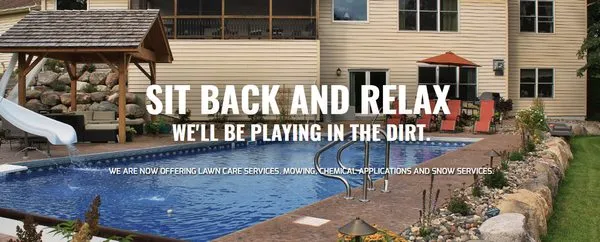
Black Diamond Landscaping is a full-service landscaping company serving Rogers, MN, specializing in landscape design, construction, and maintenance, along with snow removal and patio coverings. We hel...
Twin Lake Design
Twin Lake Design is a landscape architecture firm based in Buffalo, MN, founded in 1994. With decades of experience, we specialize in creating responsive landscapes that enhance the natural beauty of ...
Estimated Landscaping Service Costs in Saint Michael, MN
Question Answers
Our yard has standing water issues each spring. What solutions work with Saint Michael's high water table?
Seasonal high water tables and frost heave are common in Mollisols/loam soils. Installing French drains or dry wells can redirect subsurface water away from foundations. Using permeable concrete pavers for patios and walkways allows water infiltration while meeting Planning & Zoning Department runoff standards. Grading adjustments that create gentle slopes away from structures, combined with rain gardens planted with native species, provide effective drainage solutions for this soil type.
What permits and licenses are needed for grading work on our quarter-acre lot?
Grading projects on 0.25-acre lots typically require permits from the Saint Michael Planning & Zoning Department, especially when altering drainage patterns or moving significant soil volumes. Contractors must hold appropriate licensing through the Minnesota Department of Labor and Industry, particularly for work affecting structural integrity or utility lines. Professional licensing ensures compliance with state erosion control standards and proper implementation of drainage solutions. Always verify contractor credentials before beginning landscape modifications that change existing grade elevations.
Should we choose concrete pavers or wood for our new patio considering longevity and maintenance?
Concrete pavers and granite aggregate offer superior longevity to wood, with 25+ year lifespans versus wood's 10-15 years with regular maintenance. These materials provide excellent fire resistance, contributing to Saint Michael's low Fire Wise rating requirements for urban/suburban areas. Concrete pavers create effective defensible space when properly installed with adequate clearance from structures. Their permeability also helps manage stormwater runoff, an important consideration given local drainage challenges and zoning requirements.
We need emergency storm cleanup to meet HOA compliance deadlines. How quickly can a crew arrive?
Emergency crews can typically reach Town Center properties within 20-30 minutes during peak response times. The dispatch route from St. Michael City Hall via I-94 allows efficient access to most neighborhoods. For urgent HOA compliance issues, same-day service is often available when scheduled before noon. Crews coordinate arrival times to work within daytime operational limits of 7:00 AM to 9:00 PM.
How can we maintain Kentucky Bluegrass and Fine Fescue during Stage 1 water restrictions?
Smart Wi-Fi ET-based weather sensing irrigation systems optimize water use by adjusting schedules based on actual evapotranspiration rates. These systems can reduce water consumption by 20-30% while preserving turf health. Programming deeper, less frequent watering encourages deeper root growth in Saint Michael's USDA Zone 4b climate. The technology automatically skips cycles during rainfall events, ensuring compliance with voluntary conservation measures while maintaining turf quality.
Our lawn in Town Center seems compacted and drains poorly. What's causing this in our 24-year-old soil?
Saint Michael's Town Center lots, built around 2002, have 24-year-old Mollisols/loam soil that has likely become compacted from routine maintenance and foot traffic. This soil type naturally has good structure but loses permeability over time without proper care. Core aeration every 2-3 years is essential to relieve compaction and improve water infiltration. Adding organic amendments like compost can restore soil biology and enhance nutrient cycling in this pH 6.5-7.2 environment.
What are the benefits of replacing traditional turf with native plants in our landscape?
Transitioning to native plants like Purple Coneflower, Little Bluestem, and Butterfly Milkweed reduces maintenance requirements by 60-70% compared to traditional turf. These species are adapted to Saint Michael's climate and require minimal watering once established. Native plantings support local pollinators and biodiversity while eliminating gas-powered maintenance equipment ahead of tightening noise ordinances. The deep root systems of prairie species like Prairie Dropseed improve soil structure and drought resilience.
We've spotted creeping Charlie invading our lawn. How do we treat it without violating fertilizer regulations?
Creeping Charlie and other invasive species should be treated with targeted herbicide applications during active growth periods, typically late spring through early fall. Spot treatments rather than broadcast applications minimize chemical use. The Minnesota Phosphorus Fertilizer Law prohibits phosphorus application on established lawns, so select herbicides carefully and avoid combination products containing restricted fertilizers. Manual removal combined with improving turf density through proper mowing and aeration can provide long-term control without regulatory issues.
