Top Landscaping Services in Saint Louis Park, MN, 55416 | Compare & Call
There are 189 landscaping companies server in Saint Louis Park MN
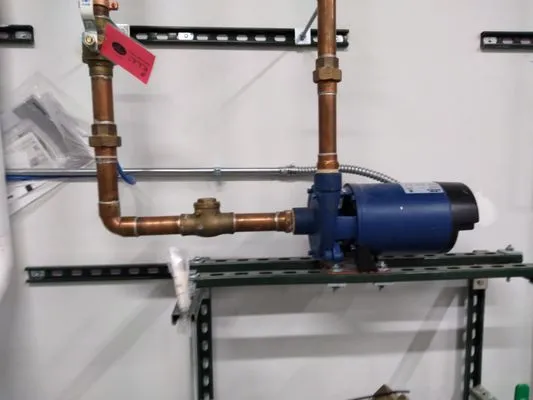
DB Property Maintenance was founded in 2016 by an owner who grew frustrated with companies prioritizing profits over customer satisfaction. Based in Minneapolis, MN, we've built our business on puttin...
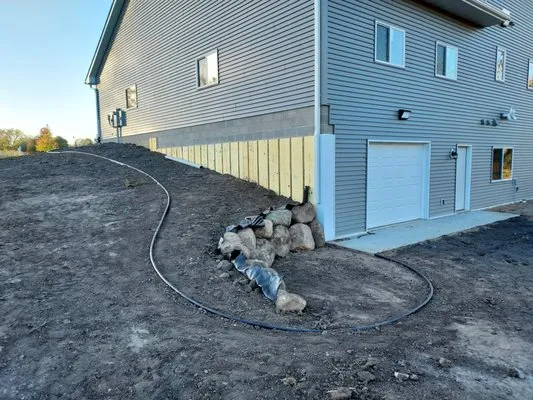
Premier Patio and Landscape, LLC brings three decades of specialized landscaping and hardscaping expertise to Shakopee, MN. As the owner, I personally guide each project from initial consultation thro...
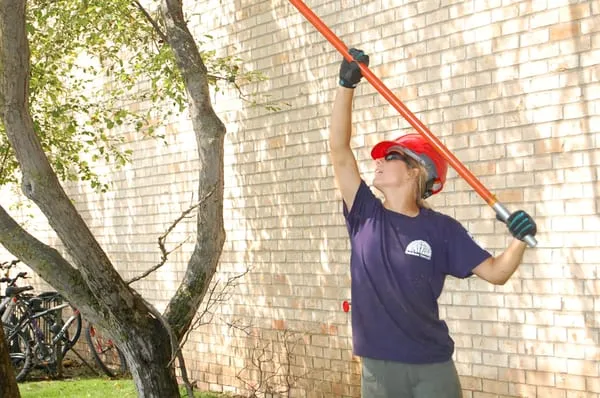
Rainbow Treecare started in a Minnetonka garage in 1976 with a mission to save elms from Dutch Elm Disease. Today, as a 100% employee-owned company, we've grown into a trusted local leader in tree hea...

TruGreen Lawn Care in Minnetonka, MN, is a local provider of comprehensive lawn and tree services, dedicated to helping residents maintain healthy, vibrant outdoor spaces. We offer tailored lawn care ...
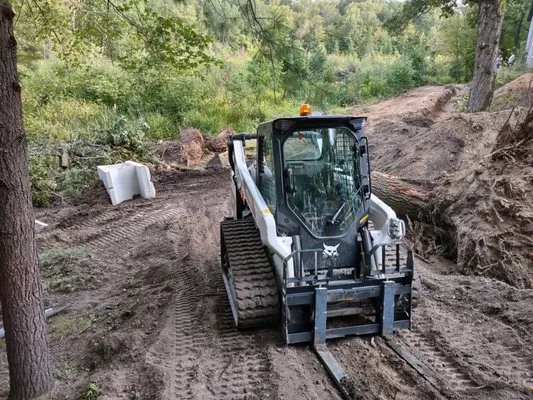
Darryl Waletzko LLC is a locally owned and operated landscaping and snow removal company serving Big Lake, MN, and the wider Twin Cities area. Founded by Darryl Waletzko, the business is built on a co...
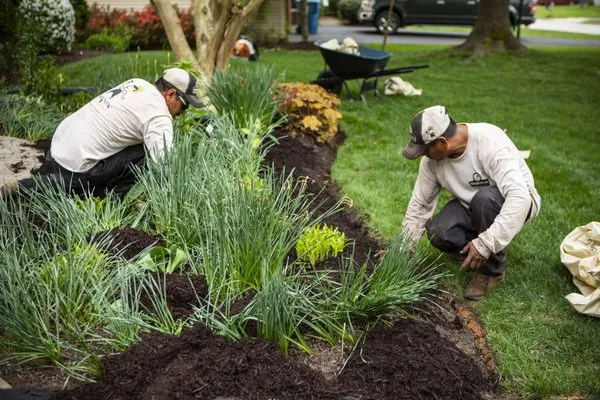
Wolff & Adams Landscaping is a Saint Paul-based team of designers and builders dedicated to transforming Twin Cities yards into personalized outdoor retreats. We approach each project as a partnership...
Bloom & Blade Property Maintenance is a Minneapolis-based company dedicated to keeping your property looking its best and functioning safely through every Minnesota season. We understand the unique ch...
AAA Lamberts Landscape Products in Hopkins, MN, is a local landscaping business dedicated to helping homeowners maintain beautiful, healthy outdoor spaces. We specialize in providing high-quality land...
Peterson Lawn Services is a Hopkins-based lawn care and landscaping company with over 16 years of experience serving residential and commercial properties in the western Twin Cities suburbs. Founded b...
Luxury Lawns Landscaping
Luxury Lawns Landscaping is a locally owned and operated contractor serving Plymouth, MN, and the surrounding communities since 1994. Our foundation is built on a deep understanding of outdoor living,...
Estimated Landscaping Service Costs in Saint Louis Park, MN
Q&A
We want to reduce mowing and gas equipment noise. What's a climate-adaptive alternative?
Transitioning turf areas to a native plant community is the definitive strategy. Species like Purple Coneflower, Butterfly Milkweed, and Little Bluestem are adapted to Zone 4b, require no weekly mowing, and support local biodiversity. This xeriscaping approach eliminates gas-powered equipment use, future-proofing your property against tightening noise ordinances and reducing carbon emissions, while providing year-round visual interest with minimal irrigation.
If a major storm brings down limbs, how fast can a crew get here for an emergency cleanup?
For an HOA compliance or safety-related emergency, our dispatch from The Rec Center area uses MN-100 for primary access. Accounting for peak traffic conditions, we plan for a 20-30 minute arrival window in the Wolfe Park District. Our electric-powered chippers and loaders operate within the 7AM-7PM noise ordinance, allowing immediate work upon arrival to clear driveways and public right-of-ways efficiently.
Are permeable pavers a better long-term choice than wood for a new patio?
Yes, for durability and hydrological function. Permeable concrete pavers have a lifespan decades longer than wood, which rots and requires chemical treatment. Their permeability manages stormwater, reducing runoff burden. In terms of the Low Fire Wise rating, pavers provide a non-combustible, defensible space material, a sensible consideration for the urban-suburban interface where ember intrusion can be a risk during regional wildfire events.
What invasive species should we watch for, and how do we treat them safely?
Buckthorn and Creeping Bellflower are pervasive alerts in Saint Louis Park. Manual removal for young plants or targeted, foliar-applied herbicide for mature infestations are standard protocols. All treatments must avoid the statewide Phosphorus ban, which prohibits phosphorus-containing fertilizers except for establishing new turf. Timing applications outside of peak runoff periods is also critical to protect local watersheds from nutrient pollution.
We get seasonal ponding in our backyard. What's the best fix for our clay soil?
Ponding is a direct result of the high clay content in local Mollisols, which creates a dense, slow-percolating layer. The solution integrates subsurface drainage like French drains with surface grading. Replacing impervious surfaces with permeable concrete pavers is highly effective, as they allow stormwater to infiltrate on-site, often meeting the Saint Louis Park Inspections Division's updated runoff management standards for residential properties.
What should we verify before hiring someone to regrade our 0.22-acre lot?
Verify the contractor holds a current license from the Minnesota Department of Labor and Industry. For any significant regrading or drainage work that alters water flow, a permit from the Saint Louis Park Inspections Division is typically required on a lot of this size. This ensures the work complies with city codes, protects neighboring properties from runoff issues, and is performed to a standard that will pass municipal inspection.
Our lawn in Wolfe Park just seems tired. What's the long-term solution for the soil?
Saint Louis Park's housing stock, averaging from 1955, has soil systems over 70 years old. In the Mollisols loam of the Wolfe Park District, decades of compaction have reduced permeability and organic matter. The initial pH of 6.5-7.2 has likely acidified. A core aeration and amendment program using compost is essential to rebuild soil structure, reintroduce microbial life, and restore the cation exchange capacity for healthy plant growth.
How do we keep our Kentucky Bluegrass healthy during Saint Louis Park's voluntary water conservation?
Stage 1 voluntary conservation requires precision. Smart Wi-Fi ET-based controllers are the standard solution, scheduling irrigation based on real-time evapotranspiration data, not a fixed timer. This system applies water only when the turf needs it, deeply and infrequently, to encourage drought-resistant root growth in Fine Fescue blends. This method maintains turf health while reducing total municipal water use, aligning perfectly with conservation goals.
