Top Landscaping Services in Roseville, MN, 55112 | Compare & Call

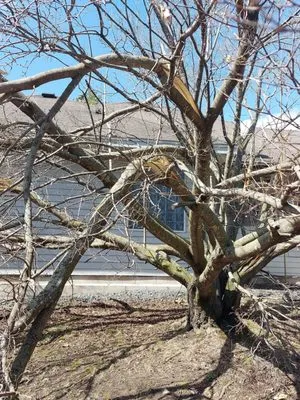
Midwest Yard Pros brings a unique blend of culinary precision and community care to landscaping in Roseville, MN. After years as a chef, the founder applies that same dedication to detail and efficien...

Albrecht Company
Albrecht Company is a family-owned and operated landscape, irrigation, and excavation contractor serving Roseville, MN, and the Twin Cities Metro since 1968. With decades of experience, we specialize ...

Myhra Design Group
Myhra Design Group is a full-service landscaping and design firm serving Roseville, MN, and the surrounding Twin Cities metro. We specialize in creating beautiful, functional, and sustainable outdoor ...
Ledo Brothers
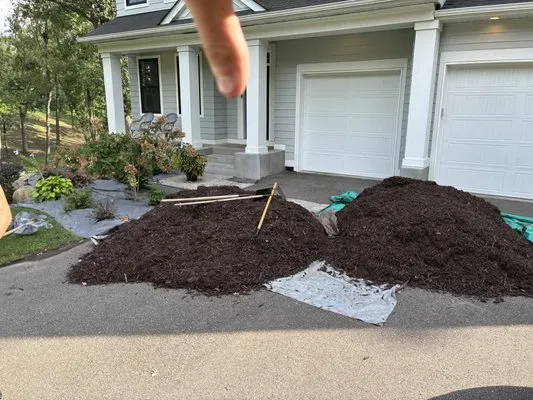
Ledo Brothers is a Roseville-based, locally owned and operated service company founded by two dedicated college students and entrepreneurs. With years of combined experience from completing hundreds o...
Quality Snowplowing & Lawn Service
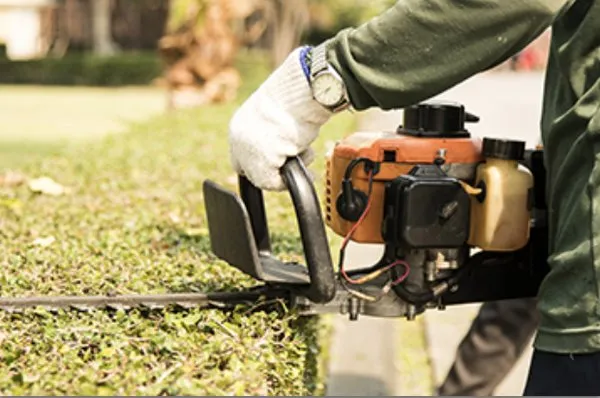
Quality Snowplowing & Lawn Service, Inc. has been a trusted provider of professional lawn and snow care in Roseville, MN, and the surrounding Twin Cities area for over 24 years. Our experienced team s...
We Care Lawn Works is a licensed lawn care provider serving the Northern Metro area, including Roseville, with a dedicated focus on quality and value. By intentionally limiting the number of client ac...

The Minnesota Nursery & Landscape Association in Roseville, MN is a trusted local resource for homeowners and businesses seeking professional landscaping solutions. As a hub for certified landscapers ...
Charming Outdoor Solutions
Charming Outdoor Solutions is a family-owned landscaping business that started over a decade ago with a single truck and trailer in Eagan. Now based in Rosemount and proudly serving Roseville and the ...
Best Outdoor Service is a dedicated lawn care provider in Roseville, MN, specializing in creating healthy, resilient lawns for local homeowners. We understand the specific challenges of the area, such...
Common Questions
Are permeable pavers a better choice than a traditional wood deck for my new patio?
For longevity and reduced maintenance in our climate, Permeable Concrete Pavers are superior. Unlike wood, they will not rot, warp, or require sealing, and their permeability manages runoff effectively. While Roseville has a low Firewise rating, pavers also provide a non-combustible defensible space material, adding a layer of safety. Their durability and functionality offer a better lifetime value compared to composite or wood alternatives.
My Kentucky Bluegrass looks thin and compacted. Is this just a seasonal issue in Lexington Park?
This is a soil maturity issue specific to homes of this era. Your property, built around 1967, has nearly 60-year-old soil that has become heavily compacted from decades of standard maintenance. The native Sandy Loam in this area loses permeability over time, restricting root growth and water infiltration. Correcting this requires core aeration in spring or fall, followed by amending with compost to rebuild organic matter. This directly addresses the compaction inherent in older neighborhood lots.
I want to regrade my backyard to fix drainage. What permits and contractor credentials are needed?
Regrading a 0.28-acre lot typically requires a permit from the Roseville Community Development Department to ensure proper stormwater management and adherence to grade plans. Crucially, the contractor performing the earthwork must hold appropriate licensing through the Minnesota Department of Labor and Industry. This ensures they carry the required insurance and have the expertise to execute significant grading without causing drainage issues for your or neighboring properties.
With Stage 1 water conservation in effect, how do I keep my lawn healthy without overwatering?
Modern Wi-Fi ET-based weather-sensing controllers are the solution for voluntary conservation. These systems automatically adjust watering schedules by using real-time evapotranspiration data, applying water only when your Fine Fescue or Kentucky Bluegrass truly needs it. This technology can reduce potable water use by 20-30% while maintaining turf health, keeping you well within municipal guidelines. It eliminates the guesswork and waste of traditional timer-based systems.
A storm just knocked down a large branch. How quickly can a crew arrive for an emergency cleanup?
For an emergency HOA compliance or safety issue, a dedicated storm response crew can be dispatched. Routing from our central staging area at Central Park of Roseville via I-35W allows for a reliable 20 to 30-minute arrival to Lexington Park during peak hours. The crew will bring electric chippers and hand tools to comply with the 7:00 AM noise ordinance start time while securing the site. This prioritizes rapid hazard mitigation without violating local codes.
Part of my yard turns into a soggy mess every spring. What's a long-term fix?
This seasonal ponding is a common result of the area's high water table interacting with compacted Sandy Loam. A permanent solution involves reshaping the grade to direct water away from the foundation and installing a French drain system. For any new patios or walkways, specify Permeable Concrete Pavers; they allow rainwater to infiltrate on-site, which helps meet the Roseville Community Development Department's stormwater runoff standards and alleviates the lowland saturation.
I'm tired of weekly mowing and gas-powered noise. What are my low-maintenance options?
Transitioning to a climate-adaptive xeriscape with regionally native plants is a strategic move. Replacing high-input turf with communities of Little Bluestem, Purple Coneflower, and Butterfly Milkweed creates a resilient, biodiverse landscape that requires no mowing and minimal watering once established. This approach future-proofs your property against tightening noise ordinances on gas blowers and aligns with 2026 sustainability benchmarks, all while providing superior habitat.
I've spotted what looks like Buckthorn or Creeping Charlie. How should I handle it?
Early identification and treatment are critical for invasive species like Buckthorn. Manual removal is effective for small infestations, while targeted, systemic herbicide applications are needed for larger ones. All treatments must use phosphorus-free products, as required by state law, and should be timed outside of peak growth periods to minimize environmental impact. A professional management plan prevents these aggressors from outcompeting your desirable native plants.
